Iran Talks Amid US Military Strikes
US strikes pressure Iran while talks continue in Doha.
Model Diplomat3 min readMiddle East
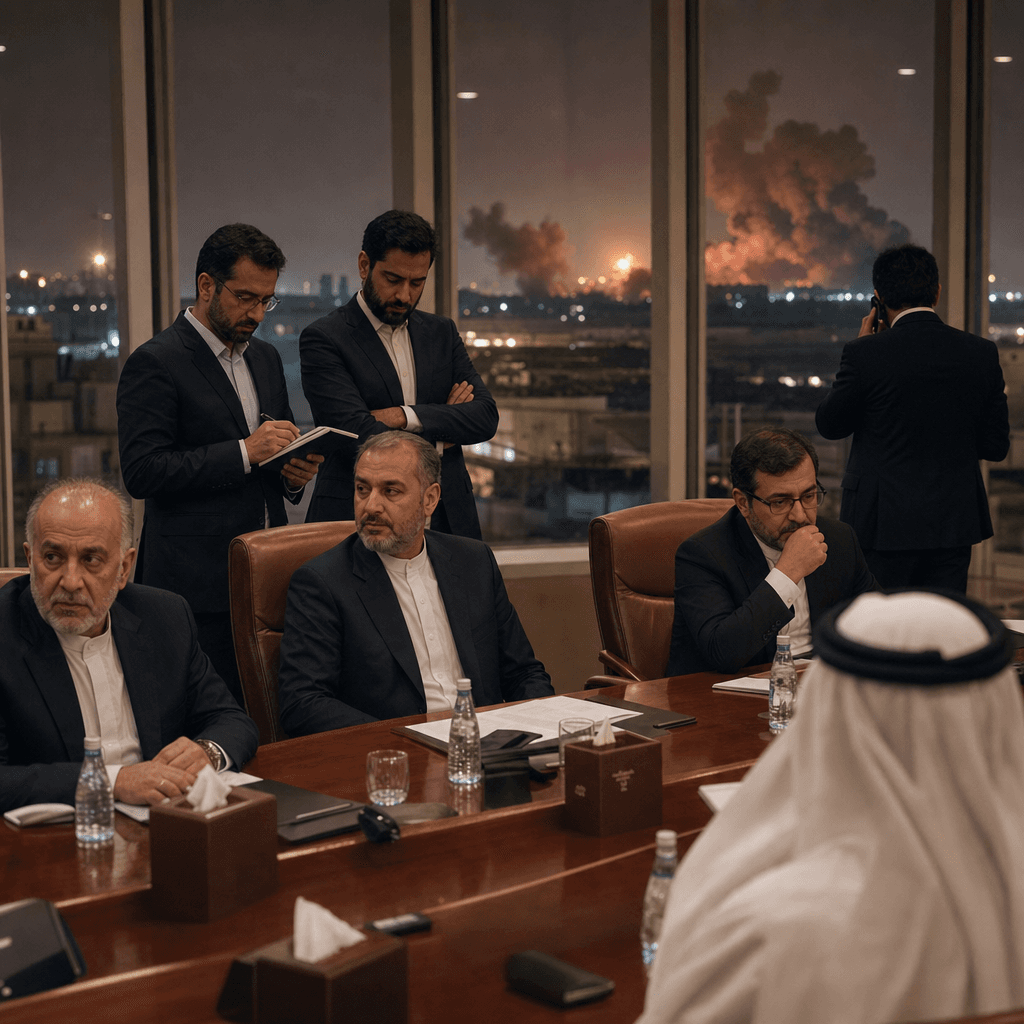
Iran Keeps Talking as US Strikes Test the Ceasefire
Washington is using limited strikes to keep pressure on Tehran, while Iran keeps Doha talks alive to preserve a path out of escalation.
The United States has started hitting Iranian targets again even as negotiators stay at the table: US Central Command said it struck missile sites and boats near the Strait of Hormuz, while Iranian officials in Doha kept talking through the latest round of ceasefire diplomacy, according to The Guardian,
Al Jazeera, and
BBC News. Tehran’s foreign ministry said a deal was “not imminent,” even after acknowledging progress on a “large portion” of the issues under discussion,
Al Jazeera reported.
Washington has the coercive edge
This is a negotiating pattern, not a collapse. President Donald Trump is trying to turn military pressure into diplomatic leverage: a “meaningful” deal or no deal, as he put it, with Secretary of State Marco Rubio saying talks could take a few days and that the Strait of Hormuz “has to be open” one way or another, Al Jazeera reported. That is classic coercive diplomacy: keep the channel open, but raise the cost of delay.
The strikes also show the administration’s main problem. Bombing can disrupt Iranian military posture; it cannot, by itself, produce a durable settlement. That is why the talks are still being run through Qatar and why the White House is talking about a memorandum of understanding rather than a final treaty, The Guardian and
BBC News reported. For readers tracking the broader power game, this sits squarely in the kind of great-power bargaining covered on
Global Politics and
United States.
Tehran’s leverage is the Strait, not goodwill
Iran’s side of the table is weaker militarily, but it still has one hard asset: disruption capacity in the Strait of Hormuz, through which about a fifth of global oil and LNG normally passes, BBC News reported. That is why the current talks revolve around sequencing — reopen shipping, ease pressure, then deal with nuclear issues and frozen assets later — rather than a sweeping grand bargain,
The Guardian and
Al Jazeera reported.
That sequencing benefits a narrow set of actors first. Trump gets a chance to claim he forced Tehran back to the table. Iran’s leadership gets a channel that could unlock funds and reduce pressure without surrendering immediately on the nuclear file. The immediate losers are shippers, insurers and Gulf energy consumers, who price every strike and every delay into freight costs and oil markets. The public rhetoric is about peace; the actual contest is over who blinks first on access to the strait and what comes before any nuclear follow-on.
What to watch next
Rubio said the deal could still take “a few days,” which means the next decision point is immediate: does Doha produce a written framework, or does Washington escalate again before the talks mature, Al Jazeera reported. If the answer is no framework, expect more strikes framed as “self-defense.” If the answer is yes, the real fight shifts to sanctions relief, frozen Iranian assets and whether Tehran accepts an open strait without getting a nuclear timetable locked in first.
Discover more
Global
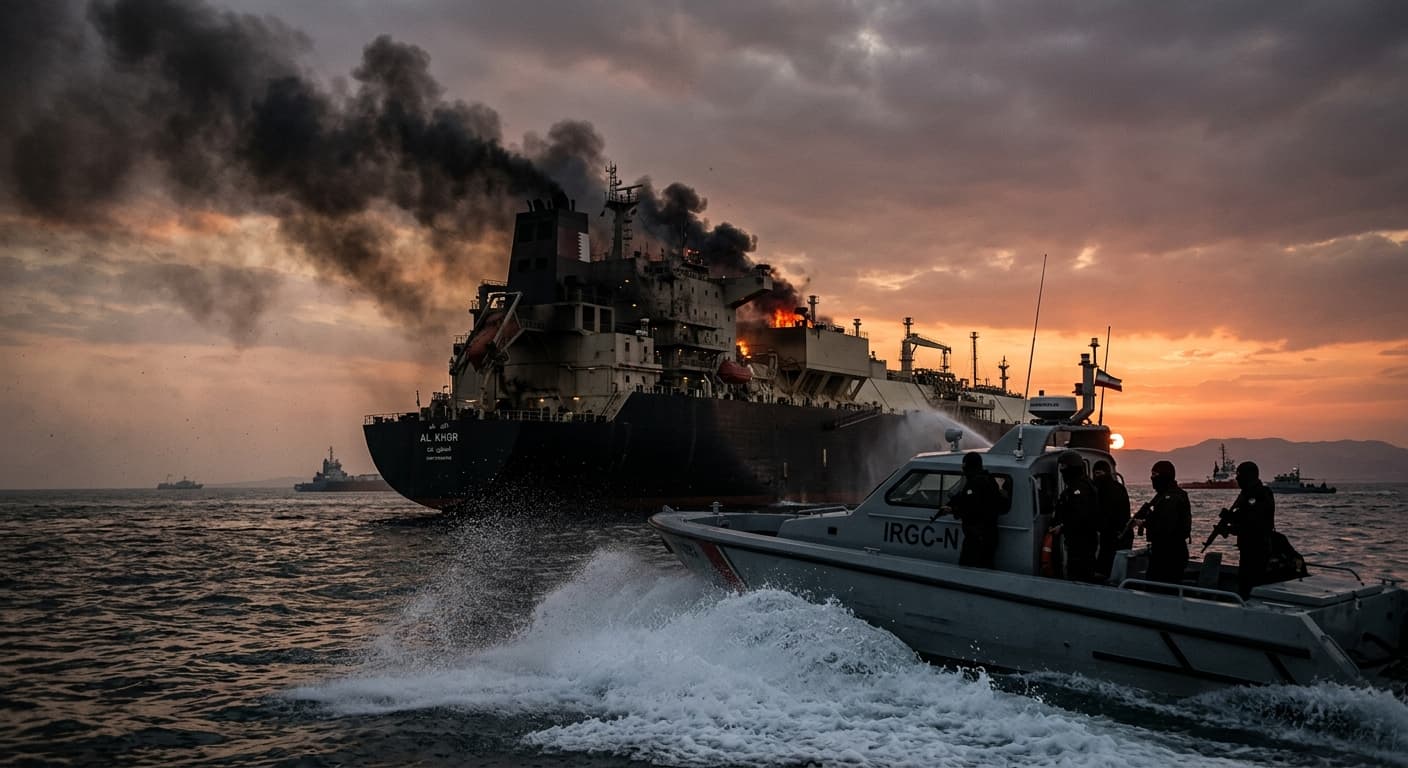
Qatari Tanker Strike Exposes Hormuz Tensions
A Qatari tanker was struck off Oman, revealing the fragility of the Hormuz ceasefire and Iran's influence over maritime security.
Global
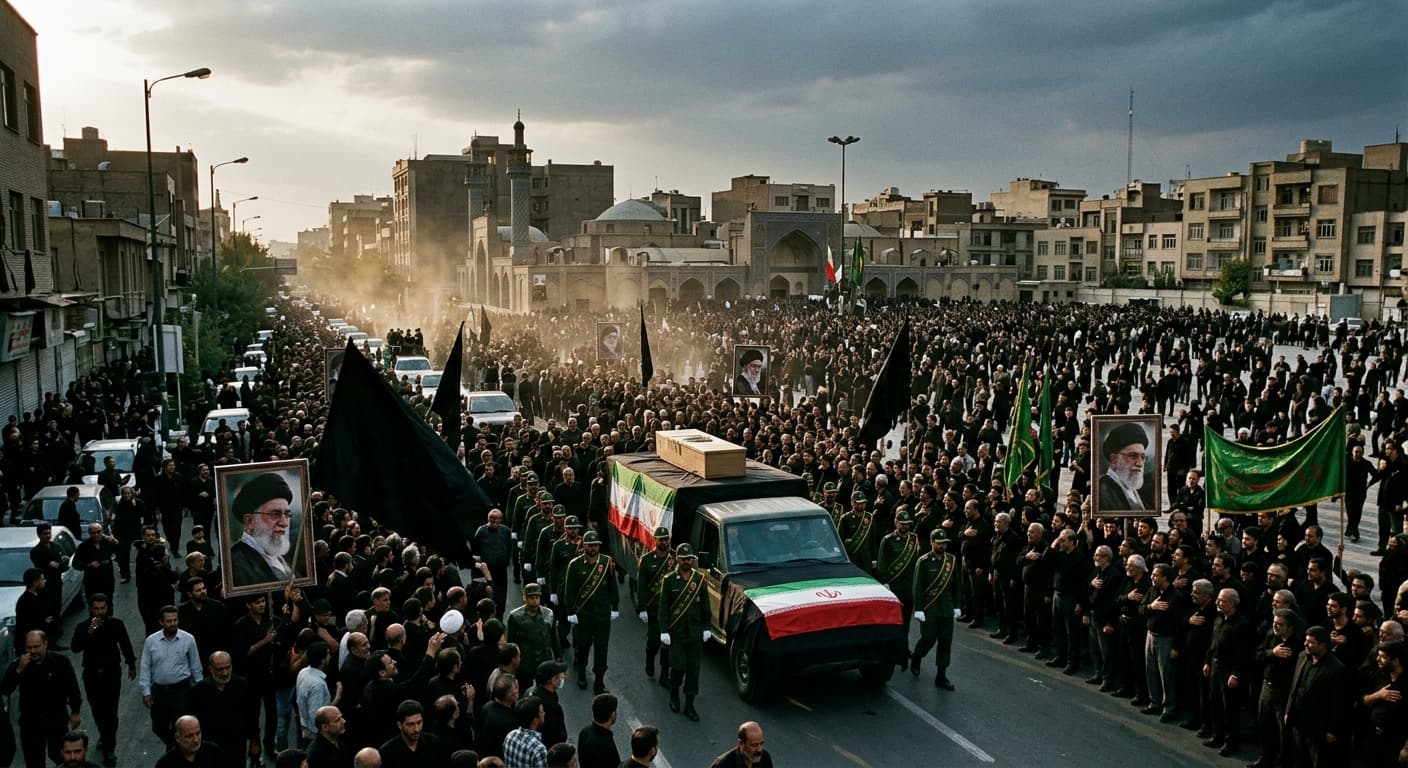
Khamenei's Funeral Signals Iran's Decline
The funeral of Ayatollah Khamenei highlights Iran's diminished influence in the Gulf, with regional powers now dictating terms.
Global
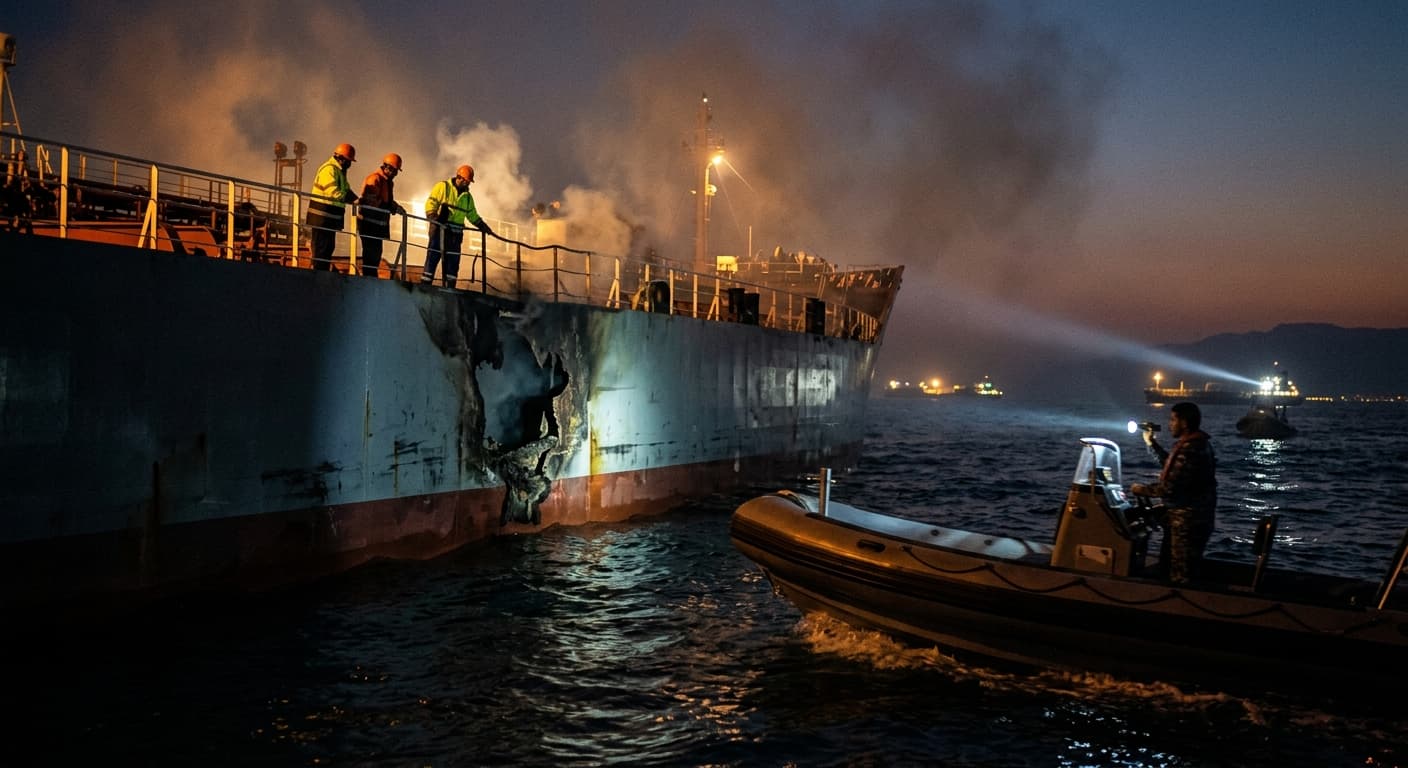
Iran's Hormuz Missile Strikes: A Toll Booth
Iran's missile attack on a Qatari-linked tanker highlights Tehran's strategy to control the Strait of Hormuz, impacting Gulf states and maritime law.

Tech Policy
Iran's Cavern Manticore Targets Israel's IT
Cavern Manticore, an Iran-linked hacking group, targets Israeli IT vendors, prompting a shift in Israel's cybersecurity policy and legislative efforts.