Iran Moves World Cup Base to Tijuana
Iran's football team relocates to reduce political risks.
Model Diplomat3 min readMiddle East

Iran’s World Cup Base Shift Exposes Visa Leverage
Tehran says FIFA approved a move from Arizona to Tijuana, a workaround that lowers political risk without changing Iran’s U.S.-based fixtures.
Iran is not changing its World Cup draw; it is changing its exposure point. Mehdi Taj, president of the Iran Football Federation, said on Saturday that FIFA approved moving the team’s base camp from Tucson, Arizona, to Tijuana, Mexico, after months of visa uncertainty and security worries ahead of the 2026 tournament (Al Jazeera,
Associated Press). Iran still plays its Group G matches in Los Angeles and Seattle; the move is about getting the squad into a safer logistics corridor, not about escaping U.S. fixtures.
What Iran is actually trying to solve
This is a practical fix for a political problem. Taj said the Tijuana camp would let the team travel directly through Mexico, reduce visa complications, and put the training base closer to its two Los Angeles games than the previously planned Arizona site (Al Jazeera,
Associated Press). That matters because Iran’s federation said earlier this month that players and staff still had not received U.S. visas less than a month before kickoff (
Al Jazeera).
The leverage sits with FIFA and the U.S. visa process. FIFA controls base-camp approvals and can sanction logistics, but it has already refused to move Iran’s matches out of the United States (AP via Yahoo Sports,
Al Jazeera). That means Iran has to operate inside the original venue map while trying to reduce the number of points where U.S. authorities can slow or block access. For
Global Politics, this is a clean example of how sporting bodies become instruments of statecraft when border control and tournament logistics collide.
Who gains, who loses
Iran benefits first. The federation gets a base just across the border, a route that may reduce the chance of a last-minute travel choke point, and a narrative that it is still competing on its terms (Al Jazeera,
Associated Press). Mexico also gains as a neutral operational host: Tijuana becomes the buffer zone that lets Iran prepare without requiring a political détente with Washington.
The losers are Tucson and, more broadly, any assumption that the 2026 World Cup will be administratively routine for politically sensitive teams. AP reported that FIFA has not publicly confirmed the move, and that the Tucson facility had already spent months preparing for Iran’s arrival (Associated Press). That is the real signal here: the tournament’s hardest problems are no longer on the field, but at the border.
What to watch next
The next decision point is June 1, when Iran must submit its final 26-man squad, followed by the tournament start on June 11 and Iran’s first match on June 15 in Los Angeles (Al Jazeera). Watch whether U.S. visas are issued cleanly, whether the team can in fact enter through Mexico without further delays, and whether FIFA’s silence on the base-camp move turns into a public confirmation or just a quiet workaround that keeps the matches on schedule.
Discover more

Global Politics
US Seizes Iranian Ship, Tensions Surge
The US seizure of the Iranian ship Touska highlights a shift in control over the Strait of Hormuz, favoring Iran's strategic position.

Conflict & Security
Drone Warfare Killing Aid Workers at Unprec
Over 1,000 humanitarian workers killed in three years as cheap armed drones collapse legal protections. Gaza, Sudan, Ukraine, and DRC see deliberate targeting of aid convoys and hospitals with zero prosecutions.
Global
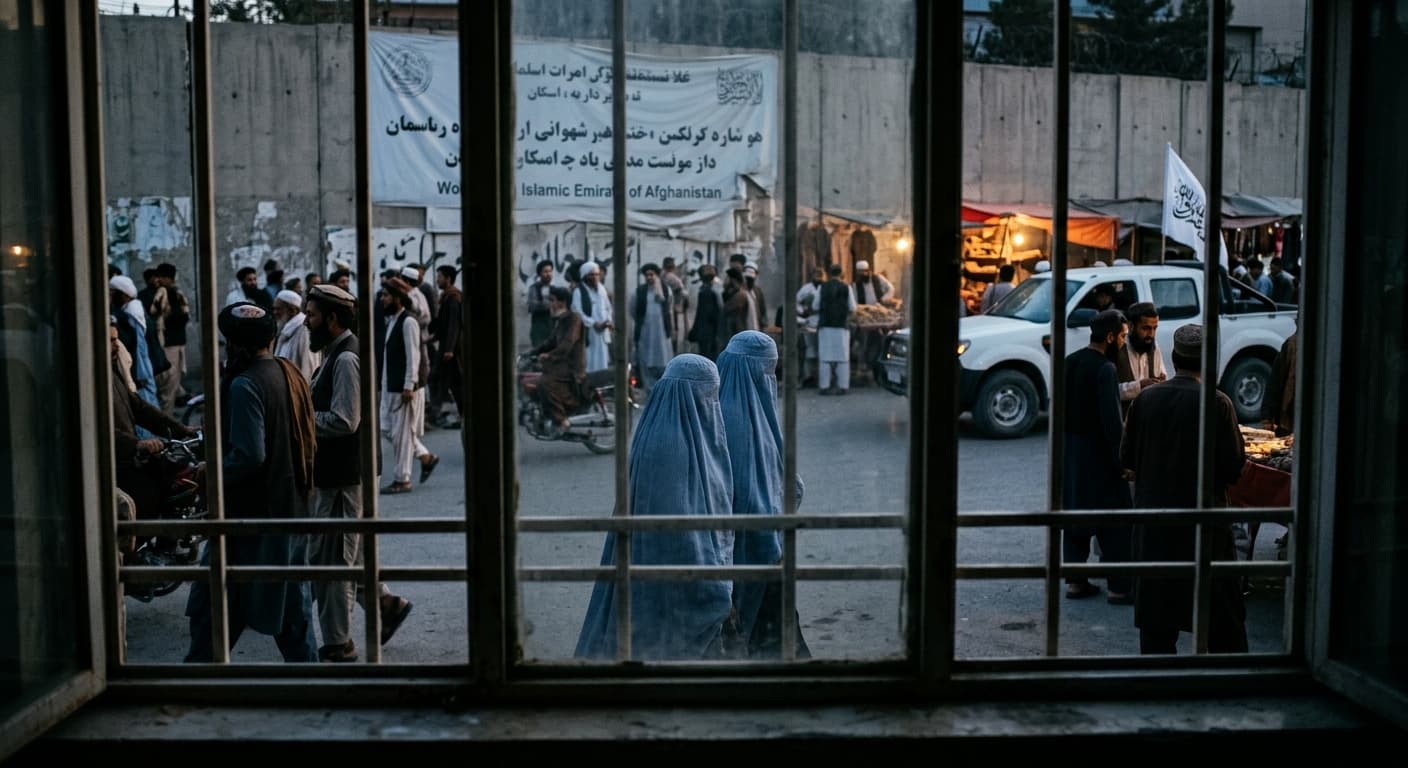
World Normalises Taliban as Afghan Women Eras
UN data shows Afghan women erased from public life as Russia recognises the Taliban, EU hosts officials in Brussels, and ICC warrants for gender persecution go unenforced.
Conflict & Security
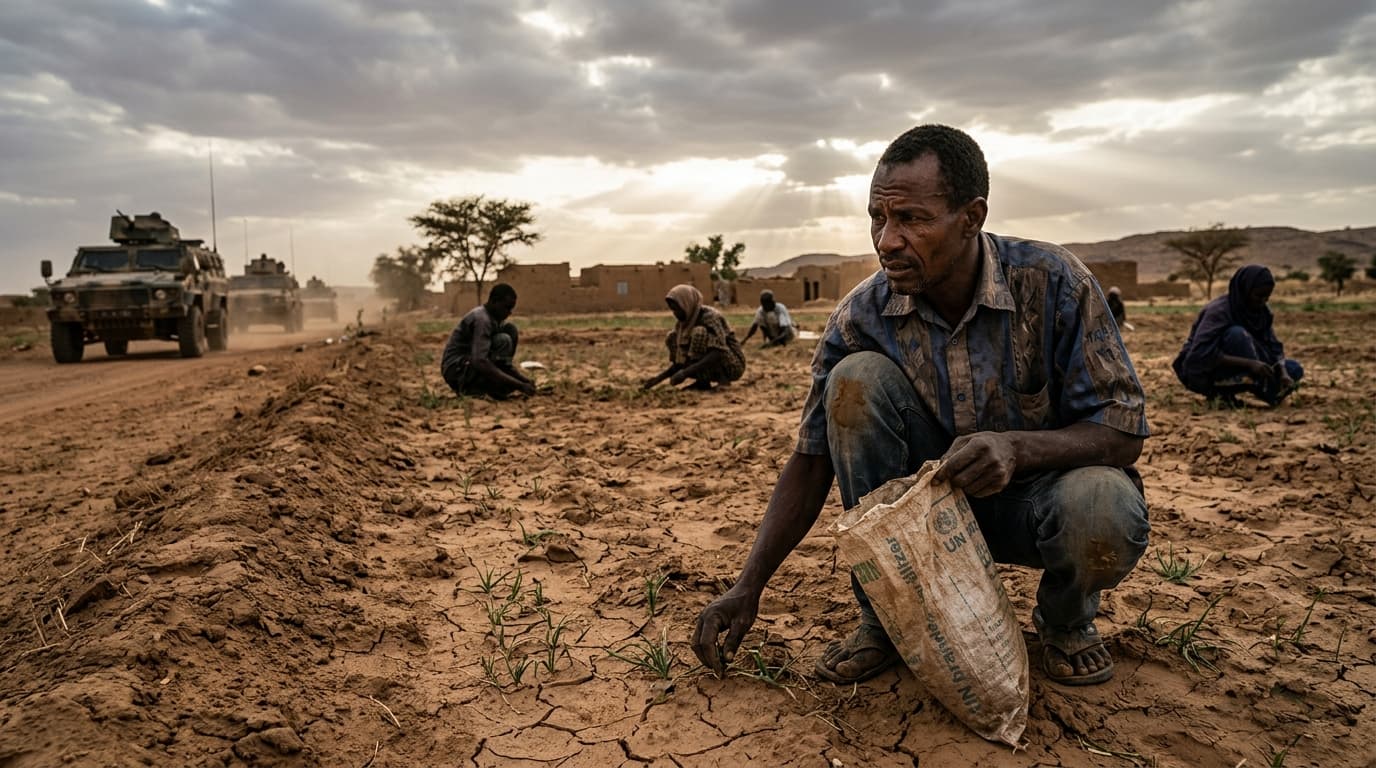
West Africa Food Crisis: Three Shocks in 2026
Conflict, climate extremes, and the Strait of Hormuz closure drive a severe food crisis in West and Central Africa, with fertilizer prices surging 80% and millions displaced.