Iran Recasts US Deal Talk as a Victory
Tehran claims leverage in US negotiations over terms.
Model Diplomat2 min readMiddle East
Iran Recasts US Deal Talk as a Victory on Its Terms
Tehran is framing a possible US deal as proof of leverage, but the unresolved terms—sanctions, Hormuz, enrichment—still decide the outcome.
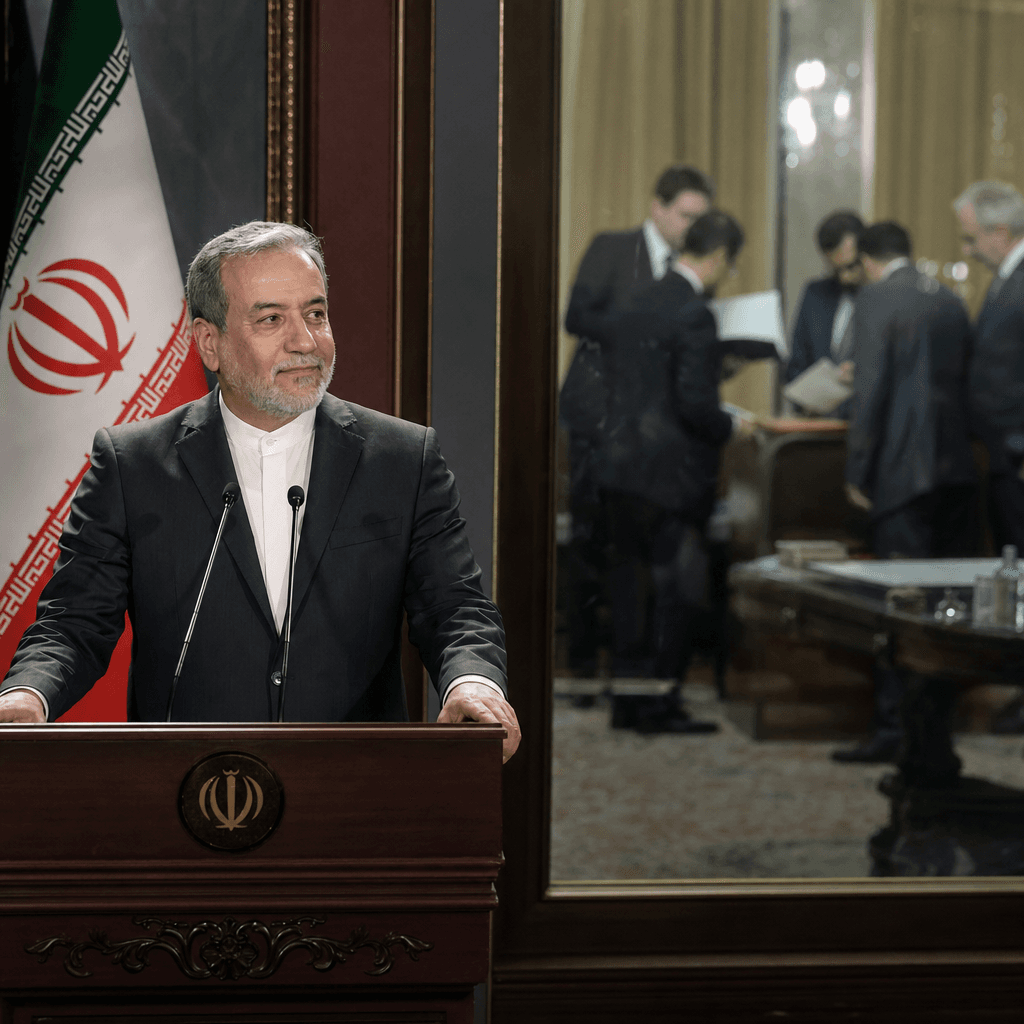
Iran is trying to control the story before the text is even finished. Al Jazeera reported Sunday that a foreign ministry spokesman invoked ancient Persia’s victory over Rome and suggested Washington had been pushed into concessions, casting a possible end to the war as a “Persian-style” peace on Tehran’s terms (Al Jazeera). That is not just rhetoric. It is Tehran telling its domestic audience that any bargain can be sold as resistance, not retreat.
Tehran wants the optics, not just the ceasefire
The reported message works because the substance of the talks already gives both sides something to claim. Reuters said President Donald Trump described the deal as “largely negotiated,” with final details still to be settled after calls with regional leaders and Israeli Prime Minister Benjamin Netanyahu (Reuters). In the Reuters account, the preliminary memorandum would formally end the war, open the Strait of Hormuz, and launch a 30-day period of detailed negotiations over sanctions relief and nuclear limits (
Reuters).
That structure favors Iran’s political messaging. Tehran can point to sanctions relief, frozen-asset release, and an end to the naval pressure around Hormuz as concrete wins, while keeping the hardest issues—especially the scope of nuclear restrictions—pushed into a later phase (Reuters). For readers tracking the wider picture on
Global Politics, this is the classic middle stage of coercive diplomacy: each side accepts a draft that is vague enough to claim as progress and flexible enough to keep bargaining.
Washington wants a pause, not a grand settlement
The immediate US incentive is simpler: stop a war that has threatened energy markets and pulled in multiple regional actors without committing to a maximalist settlement. Reuters reported that Pakistan has been carrying messages and hosting the only peace talks so far, which means the diplomatic channel is narrow and highly dependent on third parties (Reuters). That gives Islamabad leverage as a mediator, but it also means any breakdown will be hard to hide.
The omitted issues matter more than the public optimism. Reuters noted that the reported memorandum does not initially require concessions on some of Washington’s longstanding demands, including missile limits and broader restraints on Iran’s regional network (Reuters). In other words, the first phase is about freezing the conflict, not resolving the strategic dispute. That benefits anyone facing immediate escalation risk; it does not settle the balance of power.
What to watch next
The next decision point is whether Tehran sends a formal response through Pakistan and whether Trump converts his “largely negotiated” claim into a signed memorandum. If that happens, the reported 30-day clock starts, and the real fight shifts from ending the war to defining the terms of the peace (Reuters). If it slips, the public theatrics will not matter—only who can credibly reimpose pressure first.
Discover more
Global
Qatari Tanker Strike Exposes Hormuz Tensions
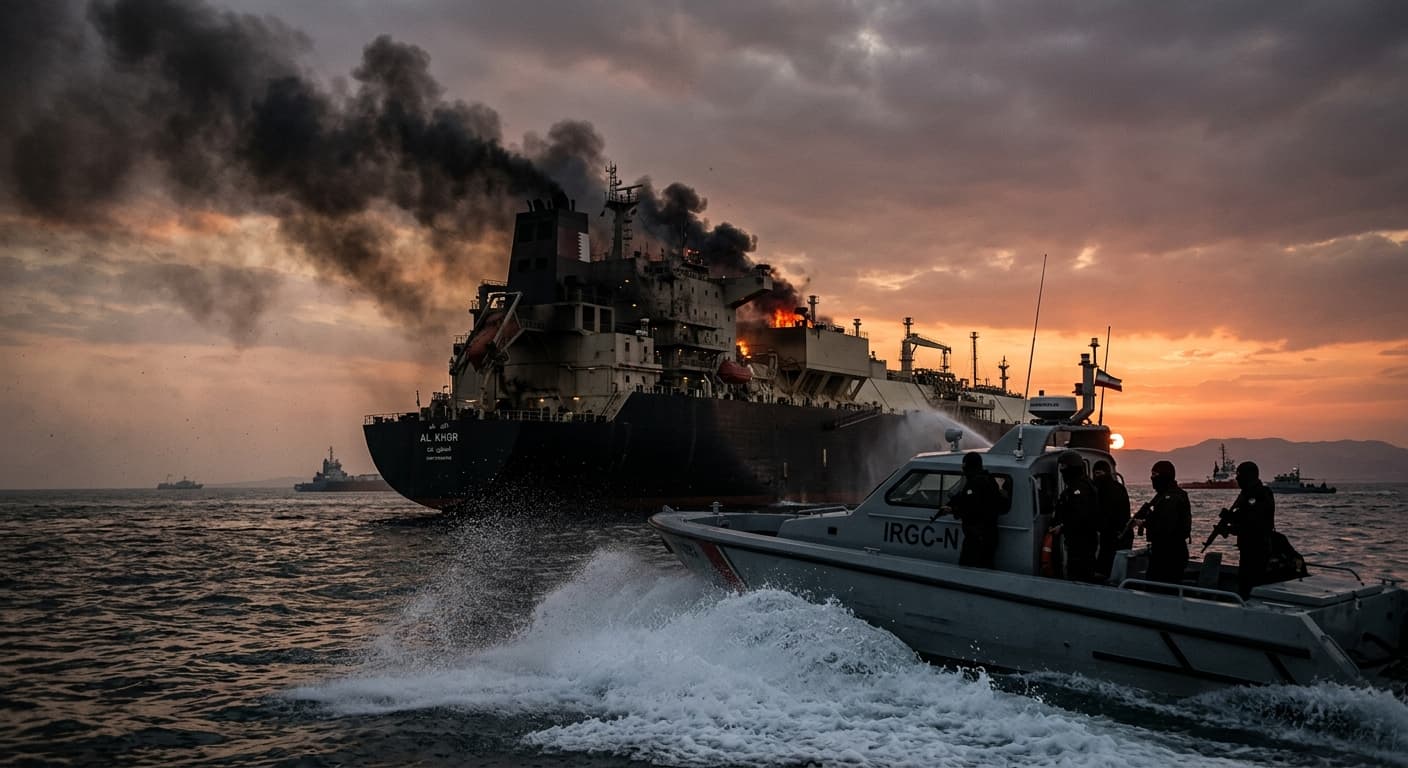
A Qatari tanker was struck off Oman, revealing the fragility of the Hormuz ceasefire and Iran's influence over maritime security.
Global
Khamenei's Funeral Signals Iran's Decline
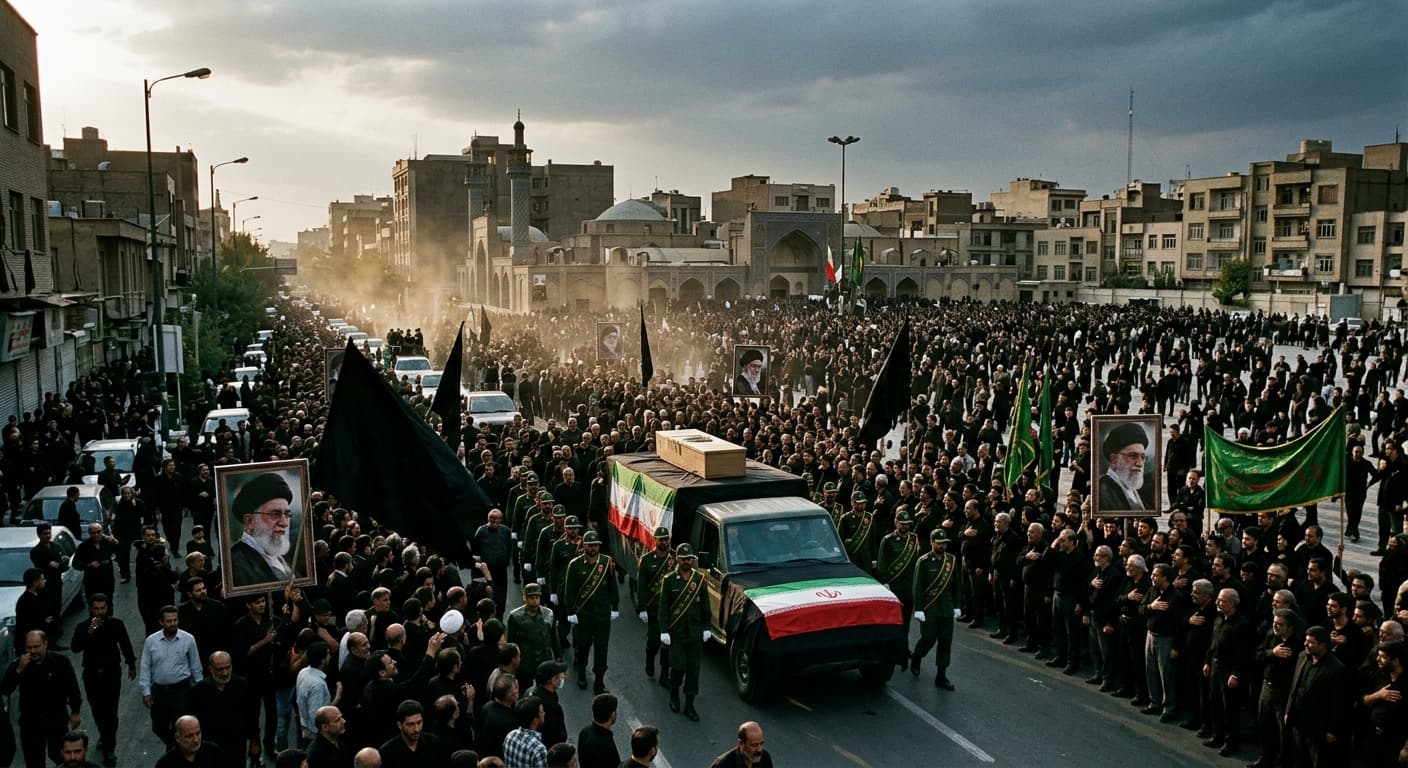
The funeral of Ayatollah Khamenei highlights Iran's diminished influence in the Gulf, with regional powers now dictating terms.
Global
Iran's Hormuz Missile Strikes: A Toll Booth
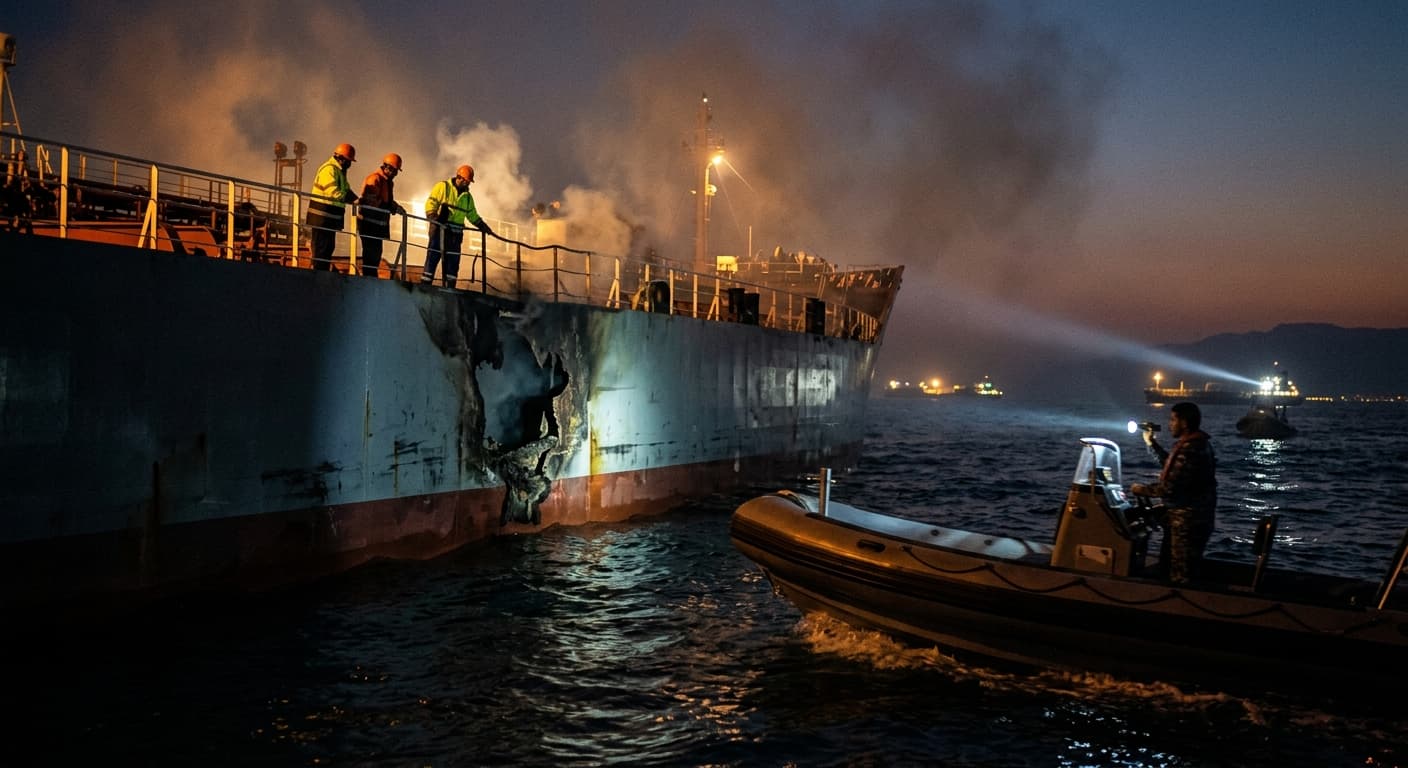
Iran's missile attack on a Qatari-linked tanker highlights Tehran's strategy to control the Strait of Hormuz, impacting Gulf states and maritime law.

Tech Policy
Iran's Cavern Manticore Targets Israel's IT
Cavern Manticore, an Iran-linked hacking group, targets Israeli IT vendors, prompting a shift in Israel's cybersecurity policy and legislative efforts.