Iran Rebuilds Energy Ties with India
Iran revives oil supplies to India amid US sanctions waiver.
Model Diplomat3 min readAsia
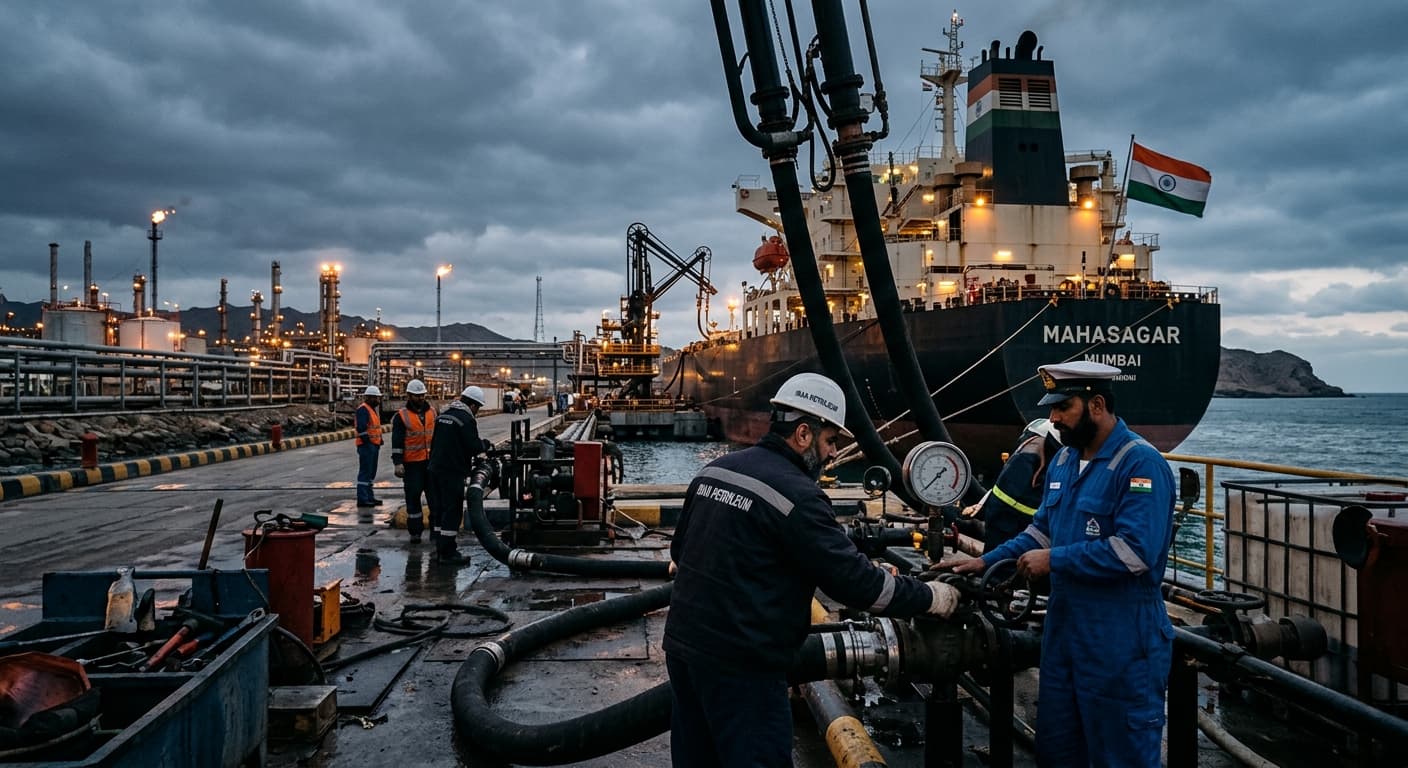
India Rushes to Lock In Iranian Oil Before US Waiver Expires
Iranian oil minister visits New Delhi to clinch energy deals during a narrowing 60-day sanctions reprieve — India's fastest offshore pivot in years.
The Hindu Business Line reported Thursday that India and Iran held bilateral energy talks during the BRICS ministers' summit in New Delhi, where Iranian Petroleum Minister Mohsen Paknejad pressed for rapid expansion of crude trade and investment under a temporary easing of US sanctions. The meeting marks India's most serious attempt to resurrect an oil relationship strangled since May 2019—and it comes with an expiration date.
The timing is surgical. Press TV reported that on June 16, the US Treasury issued a 60-day general license permitting the sale of Iranian crude, petroleum products, and petrochemical exports through August 21. The license—part of an interim deal between
the United States and Iran aimed at de-escalation—explicitly allows dollar-denominated payments, removing a payment-channel friction that had choked off trade since 2018. Paknejad was explicit: Iran views this window not as a test but as the opening salvo of a normalized relationship. "We are now ready for all our relations with India, particularly in the economic sectors," he said.
For India, the calculus is straightforward. At its 2018 peak, Iran supplied 620,000 barrels per day—11.5% of India's total oil imports and worth $48 million daily. By May 2019, that had dropped to zero. According to Kpler data cited by Press TV, India is now importing roughly 73,000 barrels daily in June 2026, a trickle that suggests demand for Iranian crude exceeds the current supply pace. Indian refineries—many designed and configured for Iranian crude grades—can process the fuel at lower cost than alternatives and had historically received 60-90 day credit terms. With global oil prices volatile and India's energy bill exceeding $100 billion annually, cheapening crude imports remains a strategic priority.
The 60-Day Squeeze
The real pressure sits on the calendar. Paknejad's visit to New Delhi comes as Iran scrambles to lock in long-term offtake agreements before the waiver expires. If the interim US-Iran deal collapses or is not extended—a plausible risk given the political headwinds in Washington—oil flows shut off again, stranding Indian refineries dependent on Iranian supply flows. The Hindu Business Line noted that discussions focused on expanding "energy cooperation and bilateral trade," code for cementing contractual terms now while they are negotiable.
India faces its own constraints. Major refiners—Indian Oil Corp, Reliance Industries, and others—have already locked in crude supplies for coming months and face insurance, shipping, and banking complications around Iranian cargo. Most analysts expect any expansion to be gradual, not a sharp rebound to 2018 volumes. But the optics matter: India's return to Iranian crude at all signals that Delhi will pursue energy security independent of US pressure, a shift toward strategic hedging that Washington finds inconvenient.
What Comes Next
Monitor the August 21 deadline. If the US-Iran deal holds and the waiver extends, Indian refineries will likely increase Iranian imports toward 200,000-300,000 barrels daily by year-end. If it collapses, India faces another abrupt cutoff and must scramble for alternatives. Watch whether India negotiates independent payment channels (yuan, rupee, or barter mechanisms) to insure against future US license revocation. Expect announcements on gas and petrochemical deals alongside crude—Iran wants a broad economic footprint, not just oil. The June 25-26 BRICS summit is the formal venue; the real deal-making is happening in bilateral side rooms.
Discover more

India
India-South Korea $50B Trade Expansion Plan
India and South Korea set a $50 billion trade target, deepening economic cooperation and strengthening Asia-Pacific ties amid shifting global trade dynamics.

Global Politics
US Seizes Iranian Ship, Tensions Surge
The U.S. seized the Iranian ship Touska near the Strait of Hormuz, sharply escalating tensions and raising the risk of wider conflict in a vital oil corridor.

International Relations
Pakistan's Key Role in US-Israel-Iran Meddle
Pakistan is seeking to mediate the US-Israel-Iran conflict, balancing high-stakes diplomacy against severe economic pressures and steep regional challenges.
Global
Will Kurti's 4th victory reshape Kosovo's foreign relations?
- Episode focus: A Balkans Debrief conversation with Yll Sadiku about Albin Kurti’s fourth consecutive electoral victory in Kosovo and what it could mean for Kosovo’s foreign relations. - Key questions addressed: - How Vetëvendosje’s victory ended months of political

