Iran Uses World Cup to Secure Visa Guarantees
Tehran demands conditions for participation in 2026 World Cup.
Model Diplomat3 min readMiddle East
Iran Uses World Cup Access as Bargaining Chip
Tehran is not threatening a boycott; it is using qualification to force FIFA and the hosts to guarantee visas, security and protocol before June 11.
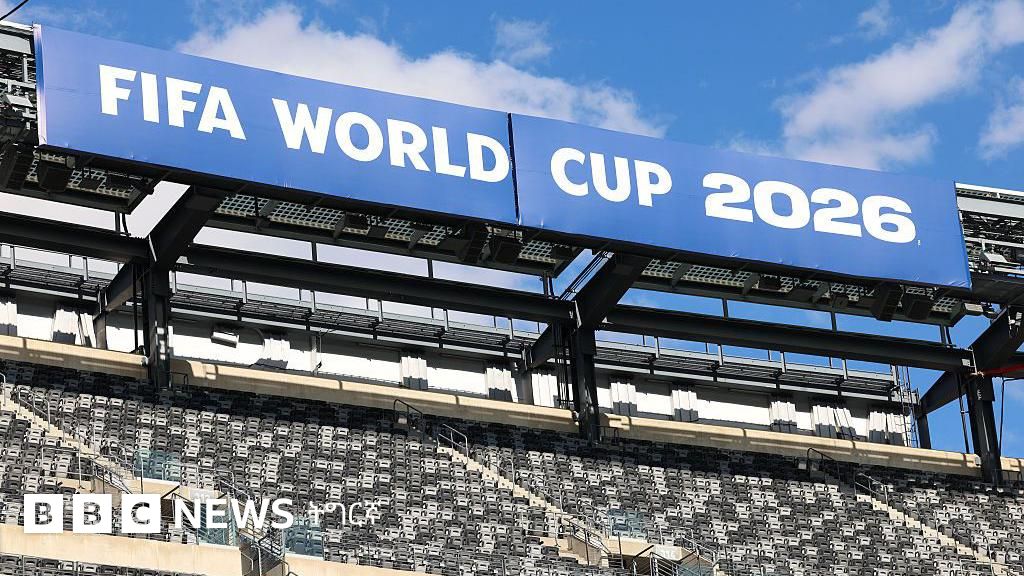
Iran’s football federation has turned its World Cup berth into a pressure point. It says the team will “definitely” play at the 2026 tournament, but only if FIFA and the United States, Canada and Mexico address a list of conditions covering visas, security, and treatment of the squad and officials, according to BBC News and
Reuters. The federation has framed the issue as one of dignity and access: it wants guarantees that players, coaches and staff can enter the host countries, that the Iranian flag and anthem will be respected, and that travel to stadiums will be tightly secured,
BBC News.
Leverage, not withdrawal
This is a classic pre-event leverage play. Iran is not exiting the tournament; it is signaling that it can create noise, delay, and reputational risk for FIFA if its delegation is embarrassed or partially excluded. That matters because FIFA’s core asset is predictability: once a team qualifies, the organization wants the event to run without political disruption. Iran is exploiting the gap between FIFA’s sporting authority and the hosts’ sovereign control over visas and border security, Reuters and
BBC News.
The trigger was political, not sporting. Iran’s federation chief Mehdi Taj was denied entry to Canada before last month’s FIFA Congress, a move Iran says was tied to alleged Islamic Revolutionary Guard Corps links, Reuters and
Al Jazeera. That incident widened the issue from a football protocol dispute into a sovereignty fight: Iran is effectively asking the hosts to pre-clear an entire delegation that may include figures with IRGC backgrounds.
Who has the real power
The leverage is split, but not evenly. FIFA can manage tournament protocols, team treatment and some venue logistics, but it cannot override visa and border decisions in the United States or Canada, Reuters. That means the decisive actor on entry rights is Washington, not Zurich. US Secretary of State Marco Rubio has already said Iranian players would be welcome, while warning that IRGC-linked individuals could still face restrictions,
BBC News and
Al Jazeera.
That split produces winners and losers. Iran’s federation gains domestic standing by appearing defiant and protective of national symbols; FIFA risks looking weak if it cannot secure clean entry for all qualified teams; the US and Canada keep legal control over screening, but risk being blamed if the tournament’s optics turn political. For policymakers tracking Conflict, the point is simple: sport is now another venue for state leverage.
What to watch next
The next decision point is the FIFA-hosts coordination over visas and delegation access before the tournament opens on June 11, BBC News and
Reuters. If FIFA cannot lock down assurances quickly, Iran will keep the issue alive through squad selection, travel planning, and public messaging. If it does secure them, Tehran will claim a diplomatic win and move on.
Discover more
Global
Qatari Tanker Strike Exposes Hormuz Tensions
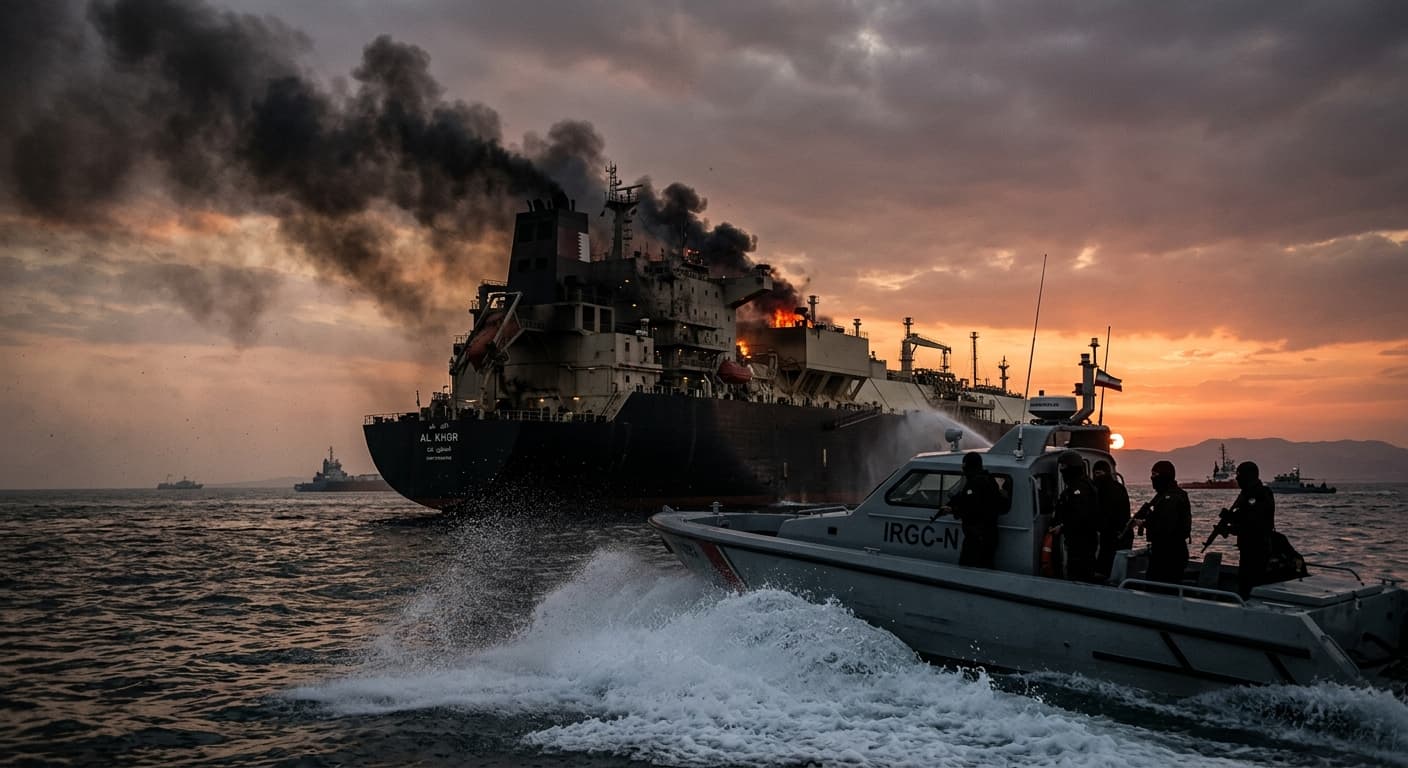
A Qatari tanker was struck off Oman, revealing the fragility of the Hormuz ceasefire and Iran's influence over maritime security.
Global
Khamenei's Funeral Signals Iran's Decline
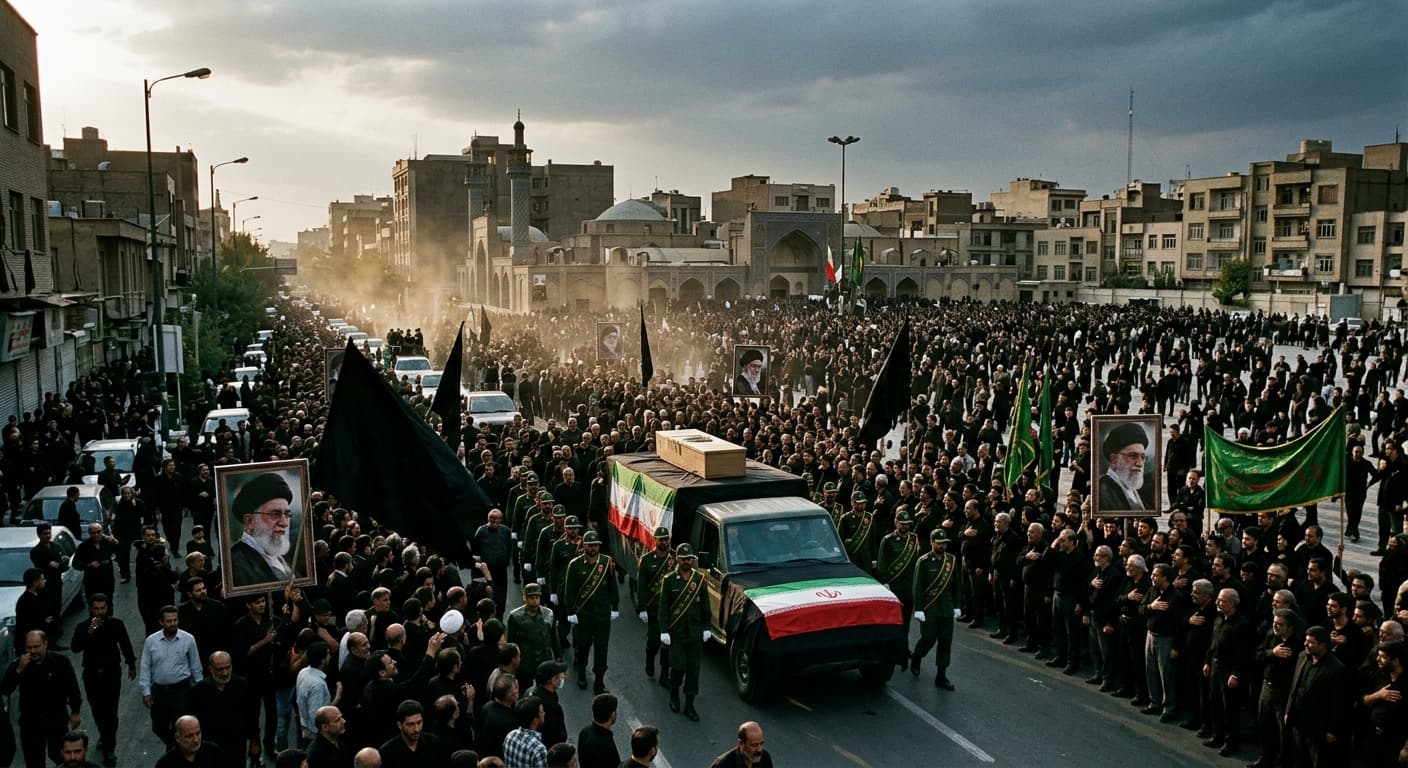
The funeral of Ayatollah Khamenei highlights Iran's diminished influence in the Gulf, with regional powers now dictating terms.
Global
Iran's Hormuz Missile Strikes: A Toll Booth
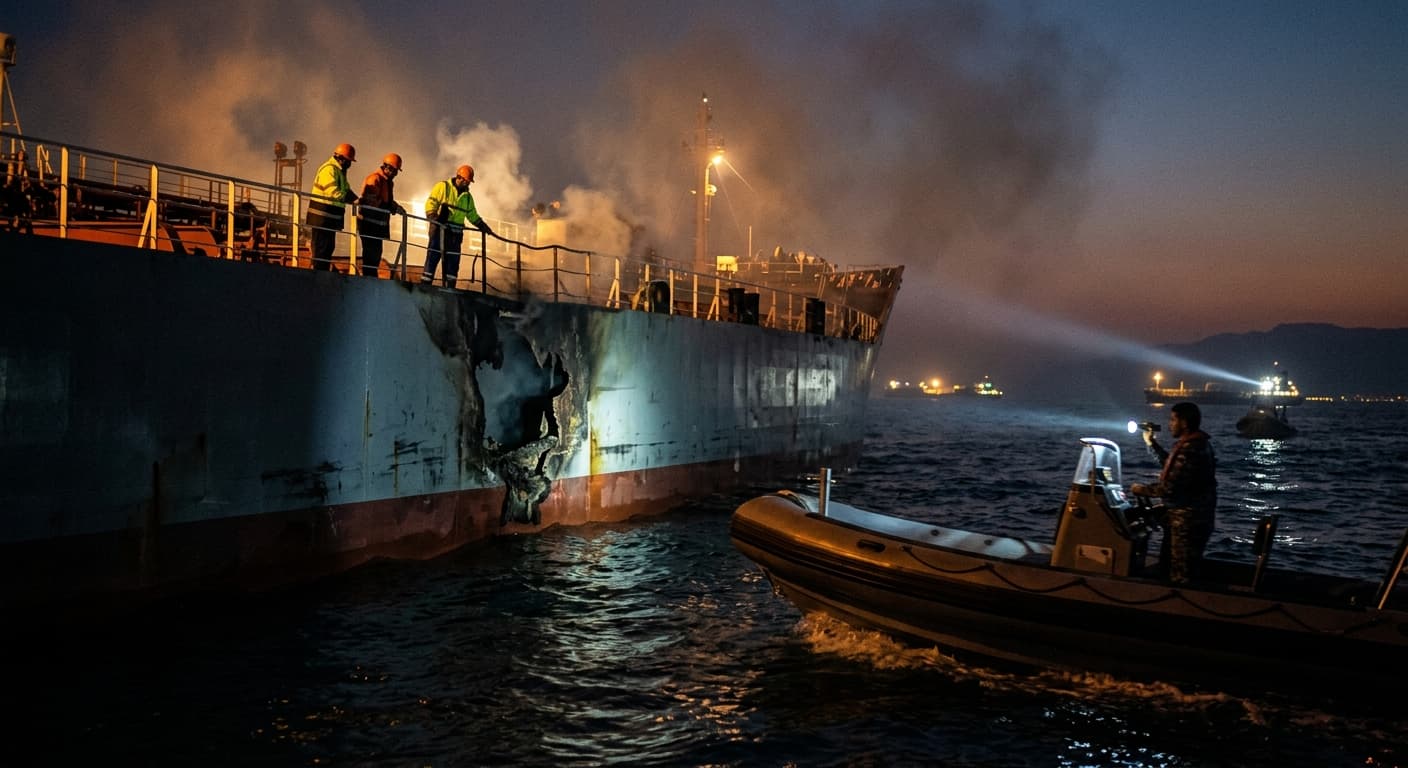
Iran's missile attack on a Qatari-linked tanker highlights Tehran's strategy to control the Strait of Hormuz, impacting Gulf states and maritime law.
Tech Policy
Iran's Cavern Manticore Targets Israel's IT
Cavern Manticore, an Iran-linked hacking group, targets Israeli IT vendors, prompting a shift in Israel's cybersecurity policy and legislative efforts.