Iran's Hormuz Strategy: China as Key Ally
Iran seeks Chinese support amid tensions in the Strait of Hormuz.
Model Diplomat3 min readMiddle East
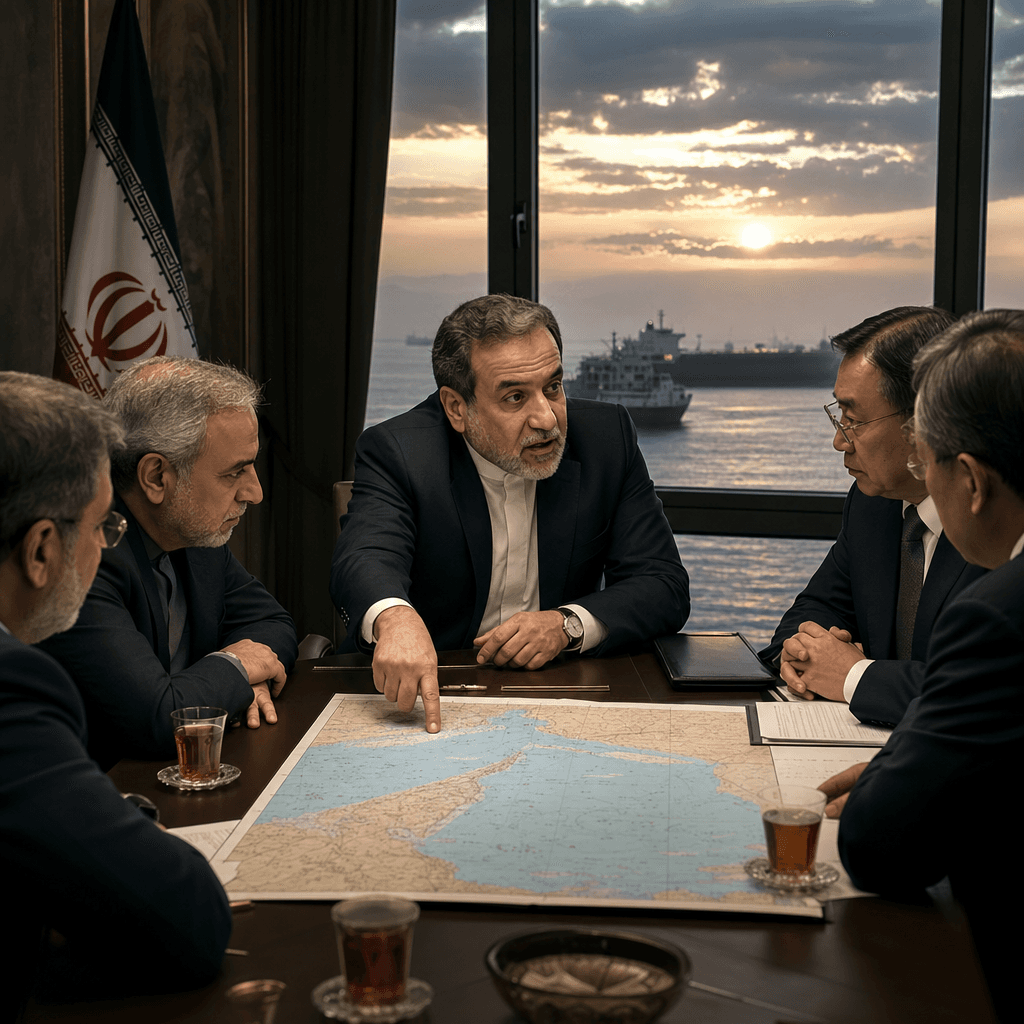
Iran Leans on China as Hormuz Becomes Its Bargaining Chip
Araghchi is turning battlefield resilience into diplomatic leverage, but China is signaling it wants restraint more than rhetoric.
Iranian Foreign Minister Abbas Araghchi said Iran has “attained an elevated international standing” after the war with the US and Israel, a line designed to project strength at a moment when Tehran is trying to lock in outside support and shape the next phase of talks, according to Al Jazeera. The immediate audience is Beijing: Araghchi is in China to meet Foreign Minister Wang Yi as both sides weigh the future of the Strait of Hormuz and the status of Iran-US negotiations,
Al Jazeera reported.
China is the counterweight Iran needs
The power balance is uneven. Tehran needs China for diplomatic cover, oil purchases and leverage at the UN; Beijing needs stability in the Gulf more than another round of escalation. Al Jazeera said Wang called for Iran and the US to reopen the Strait “as soon as possible” and stressed that negotiations must continue. That matters because China is not simply endorsing Iran’s posture; it is telling Tehran that endless disruption of a chokepoint carrying roughly a fifth of global oil and gas flows is too costly, even for a strategic partner.
That puts Araghchi in a familiar but sharper position: he is trying to present Iran as emboldened by war while also assuring China that Tehran will not force Beijing to choose between its Iranian ties and its global economic interests. Mehr News Agency framed the talks as a condemnation of an “illegal war,” but it also showed the real Iranian ask: Chinese backing on the UN Security Council and continued strategic cooperation. In other words, Tehran wants China to convert sympathy into protection.
Hormuz is the real bargaining chip
The Strait of Hormuz is now Iran’s principal source of leverage. Al Jazeera reported that the US has pushed Beijing to pressure Iran to lift its “chokehold” on the waterway, while Tehran appears to be using the blockade to force concessions in talks with Washington. That is why the meeting in Beijing matters more than Araghchi’s public language: the issue is not whether Iran sounds defiant, but whether it can trade restraint for sanctions relief or nuclear breathing room.
China’s position is telling. It has criticized the US naval response as dangerous, but it is also reportedly pressing Iran not to escalate further ahead of the Xi-Trump summit later this month, Al Jazeera said. That means Beijing is not just a backer; it is a mediator with its own agenda. For Tehran, Chinese support is useful only if it does not come with demands to stand down.
What to watch next
The next decision point is whether Iran loosens its grip on Hormuz before the May 14–15 Xi-Trump summit, and whether China extracts a de-escalation commitment in return for diplomatic protection. ANews said this was Araghchi’s first in-person meeting with Wang since the strikes began, which underscores how much is riding on this channel. Watch for any sign that Beijing will publicly condition support on reopening the strait — that would tell you Tehran’s “elevated standing” has limits.
Discover more
Global
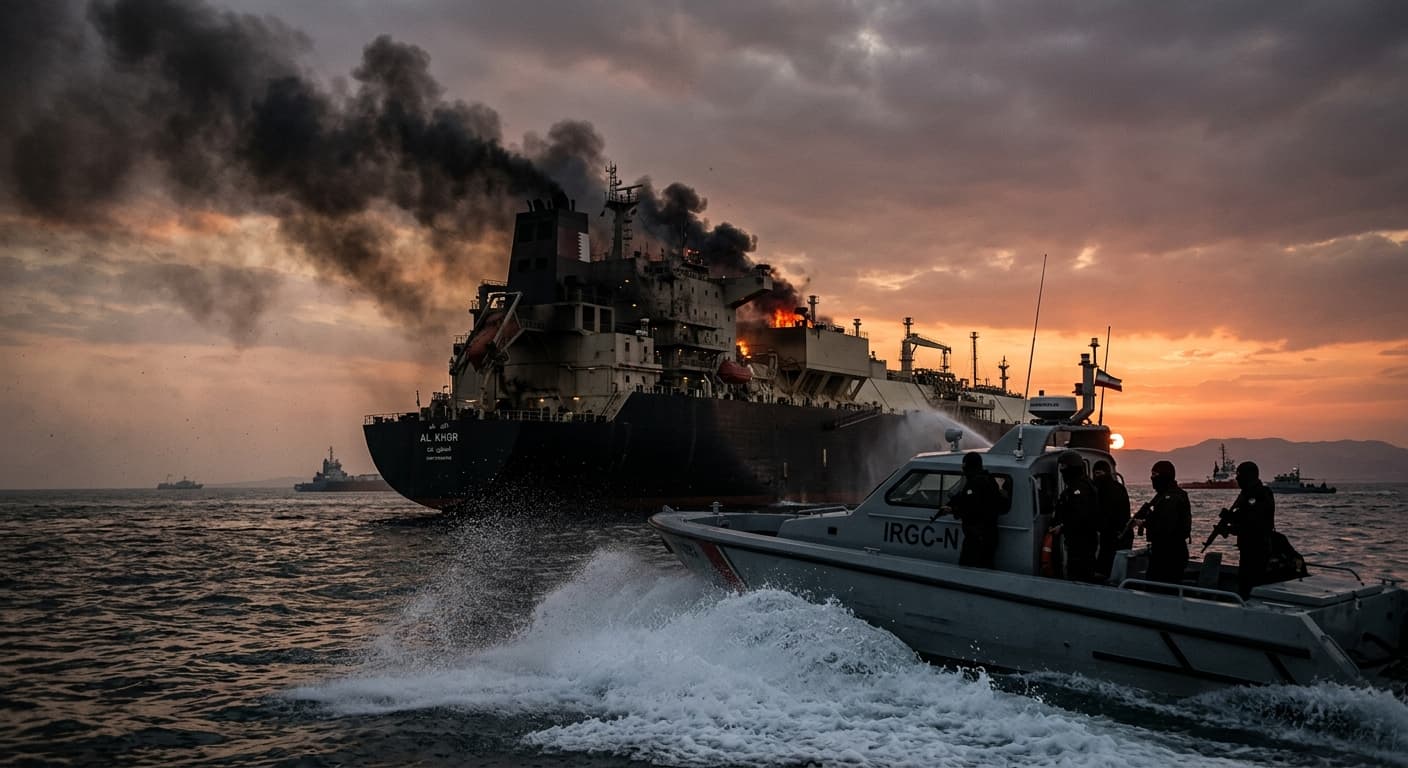
Qatari Tanker Strike Exposes Hormuz Tensions
A Qatari tanker was struck off Oman, revealing the fragility of the Hormuz ceasefire and Iran's influence over maritime security.
Global
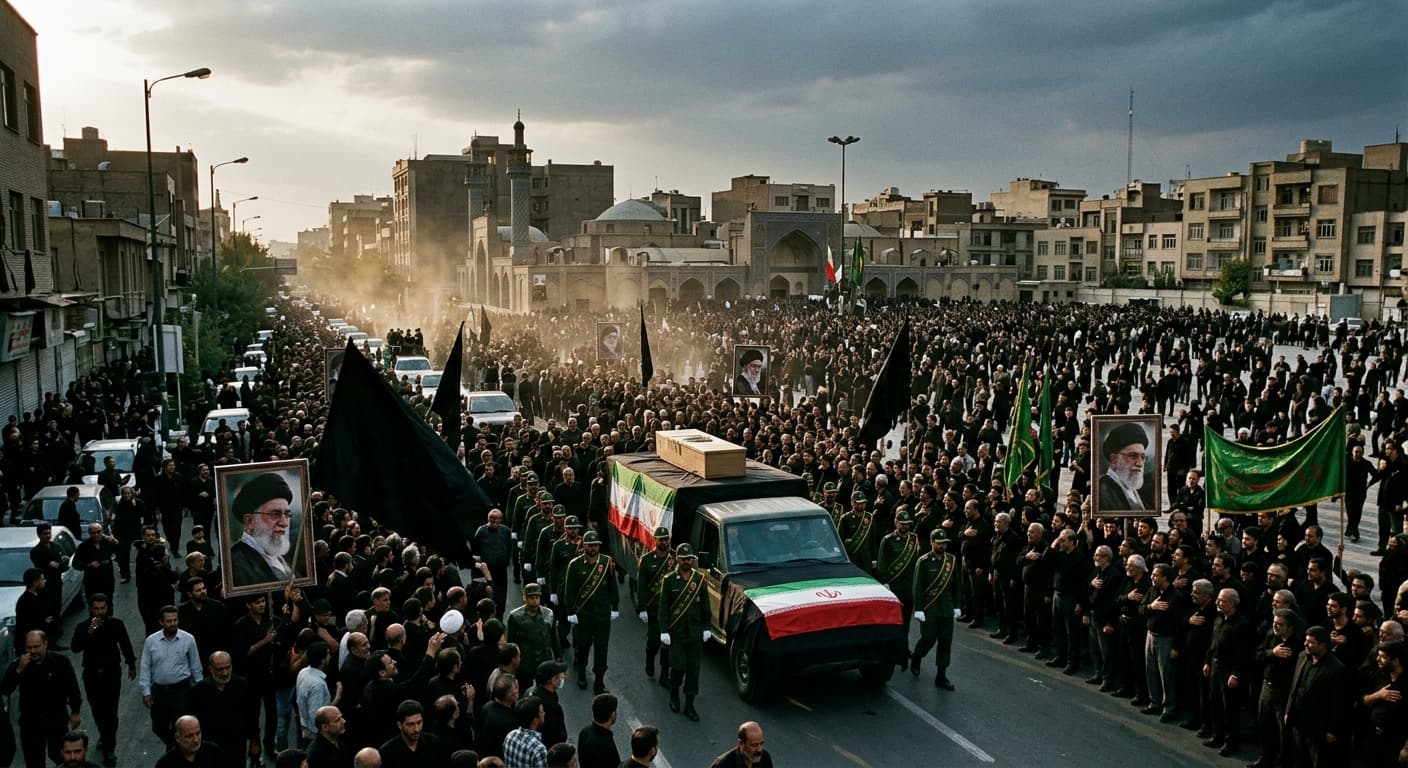
Khamenei's Funeral Signals Iran's Decline
The funeral of Ayatollah Khamenei highlights Iran's diminished influence in the Gulf, with regional powers now dictating terms.
Global
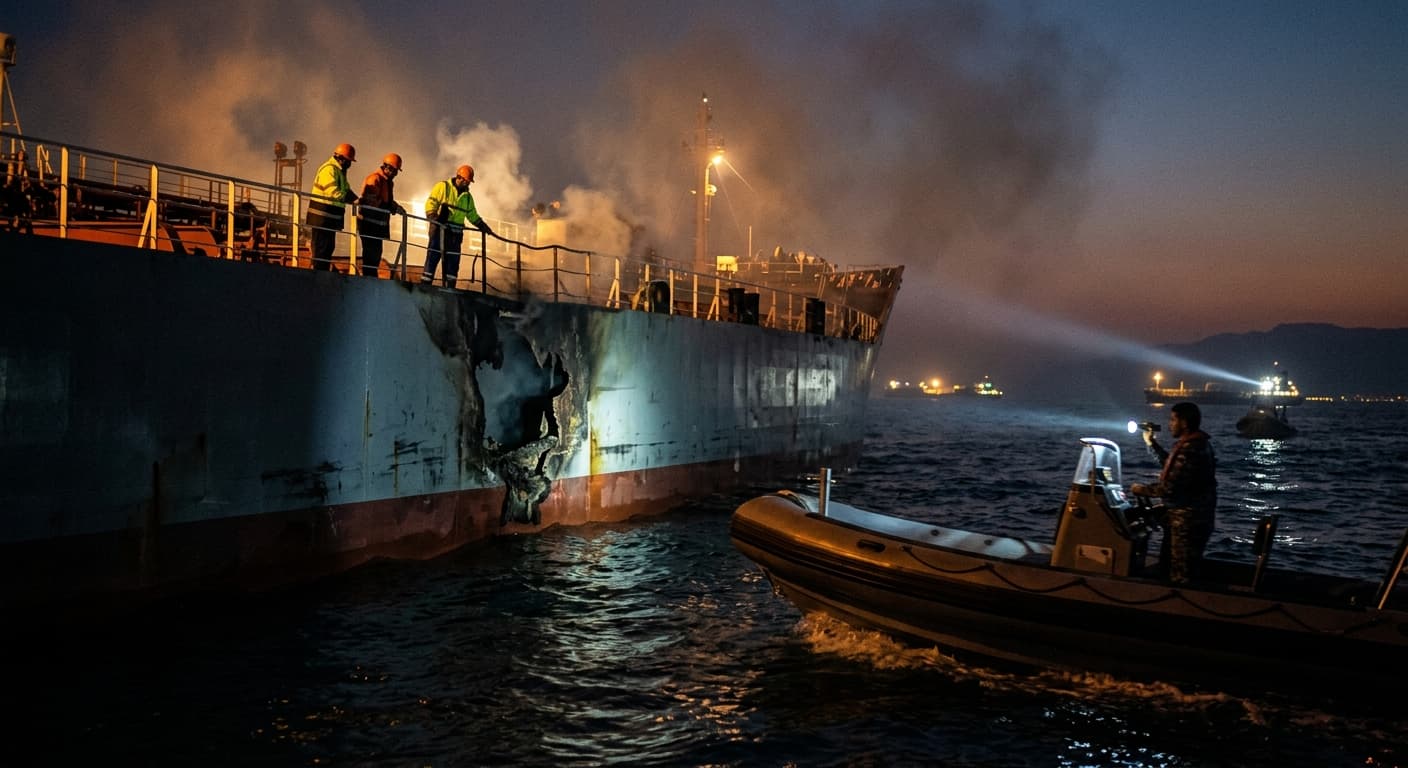
Iran's Hormuz Missile Strikes: A Toll Booth
Iran's missile attack on a Qatari-linked tanker highlights Tehran's strategy to control the Strait of Hormuz, impacting Gulf states and maritime law.
Tech Policy
Iran's Cavern Manticore Targets Israel's IT
Cavern Manticore, an Iran-linked hacking group, targets Israeli IT vendors, prompting a shift in Israel's cybersecurity policy and legislative efforts.