Iran Deal Reopens Strait, Oil Prices Drop
US-Iran agreement impacts global oil markets and inflation
Model Diplomat3 min readMiddle East
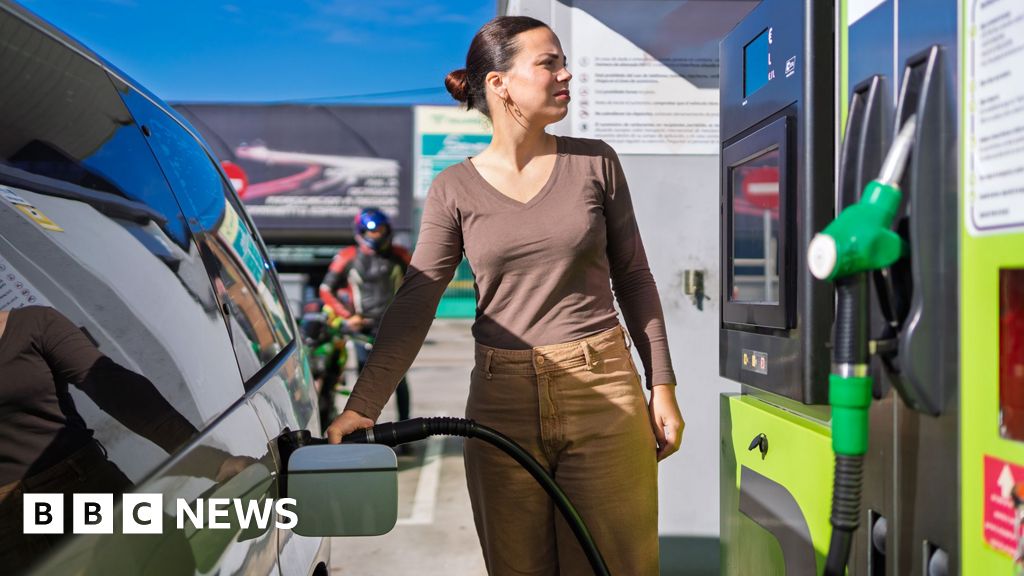
Iran Deal Opens Strait, But Energy Relief Won't Be Immediate
US and Iran signed framework agreement on June 18. Oil prices fell sharply, but experts warn normalization will take months—and central banks remain cautious on rate cuts.
On June 18, the United States and Iran signed a framework memorandum of understanding ending four months of war and reopening the Strait of Hormuz, a waterway through which roughly 20% of global oil and liquefied natural gas normally pass. The immediate market reaction was clear: Brent crude fell to $78.43 a barrel by the next morning, down from peaks above $120 during the conflict. Yet behind the price relief lies a more complex economic picture—one where the near-term gains for consumers will be modest at best, and where central banks remain trapped by inflation pressures that the war created.
The Strait of Hormuz has been effectively closed since late February when strikes began. Iran's de facto blockade and U.S. naval blockade imposed in April created a chokehold on energy supplies.
The agreement pledges to reopen it, with Iran guaranteeing safe passage at no charge for 60 days and the U.S. removing its naval blockade within 30 days. But reopening and normalizing are not the same thing.
How Long Until Prices Actually Fall?
Oil prices did fall on announcement, and Brent stood around $78–83 per barrel in mid-June, compared to $70 before the war—meaning crude is still elevated by roughly 12%. The reason is logistics: over 500 tankers are waiting to exit the Gulf. Mines must be cleared, which
could take anywhere from a few weeks to six months. Oil production facilities need to ramp back up. Insurance remains uncertain.
Rabobank's energy strategist Florence Schmit said normality in oil pricing "could return by the end of the year"—not by summer.
For consumers, this matters. UK petrol and diesel prices are already falling, but heating oil—used by rural households and unprotected by Ofgem's price cap—remains exposed to wholesale volatility. More consequentially,
the UK's energy price cap for July is already locked in at a 13% rise, or £221 per household annually. Savings from the deal won't reach British bills until autumn at the earliest.
Jet fuel tells a similar story: prices fell from a peak of $1,838 per tonne to $967, but remain well above pre-war levels of $784. Airlines won't pass those savings immediately; capacity adjustments and structural port delays matter more than spot prices.
The Inflation Trap
Here lies the real constraint on economic relief. UK inflation rose from 3% in February to 3.3% in March during the conflict, settling at 2.8% by May—still above the Bank of England's 2% target. In the U.S., inflation climbed from 2.4% in February to 4.2% in May due largely to energy. The European Union moved from 2.1% to 3.3%.
Because central banks kept interest rates elevated throughout the war to fight inflation, they face a credibility trap: cutting rates too quickly suggests they panicked about recession, while holding too long risks another inflation spike if the deal collapses. The Bank of England held at 3.75% this week, calling recent oil drops "encouraging" but warning of "inflationary pressure in the pipeline."
The U.S. Federal Reserve cited "elevated uncertainty" tied to the Middle East conflict when it held rates at 3.5–3.75%.
The deal defers the hardest question: Iran's nuclear program. Negotiations have a 60-day window, extendable by mutual consent—leaving open the prospect that military operations resume if talks stall.
Iran's parliamentary speaker said the Strait "will not return to pre-war conditions" and hinted at future transit fees. That ambiguity is why
Vandana Hari at energy consultancy Vanda Insights said uncertainty about implementation details is "likely to inject unease and uncertainty into the market."
What to Watch
June 19–30: Observe whether Iran and the U.S. actually implement Strait clearance and blockade removal. Shipping companies remain skeptical of safety guarantees. Early July: UK and EU energy price caps reset—the first concrete test of whether peace translates to lower bills. Late July: Central banks meet again. Inflation data will determine whether any cut rates or hold firm. Late August: The 60-day nuclear negotiation window narrows. Any sign of breakdown will reverse oil's recent gains instantly.
The framework deal is real, and oil's 35% drop from peak is real. But the economic relief is mortgaged to execution—and markets are betting Trump's ability to keep the ceasefire intact, not on physics of tanker logistics or geopolitics of uranium enrichment.
Discover more

Global Politics
US Seizes Iranian Ship, Tensions Surge
The US seizure of the Iranian ship Touska highlights a shift in control over the Strait of Hormuz, favoring Iran's strategic position.

International Relations
Pakistan's Key Role in US-Israel-Iran Meddle
Pakistan is seeking to mediate the US-Israel-Iran conflict, balancing high-stakes diplomacy against severe economic pressures and steep regional challenges.
Global Politics
Trump's Conflicting Messages on Iran War
Trump's mixed messages on Iran reflect a strategy of audience management, benefiting Tehran amid a complex geopolitical landscape.

Conflict & Security
Drone Warfare Killing Aid Workers at Unprec
Over 1,000 humanitarian workers killed in three years as cheap armed drones collapse legal protections. Gaza, Sudan, Ukraine, and DRC see deliberate targeting of aid convoys and hospitals with zero prosecutions.