India's Women's Reservation Act
West Bengal's elections reveal flaws in women's political representation.
Model Diplomat3 min readWest Bengal
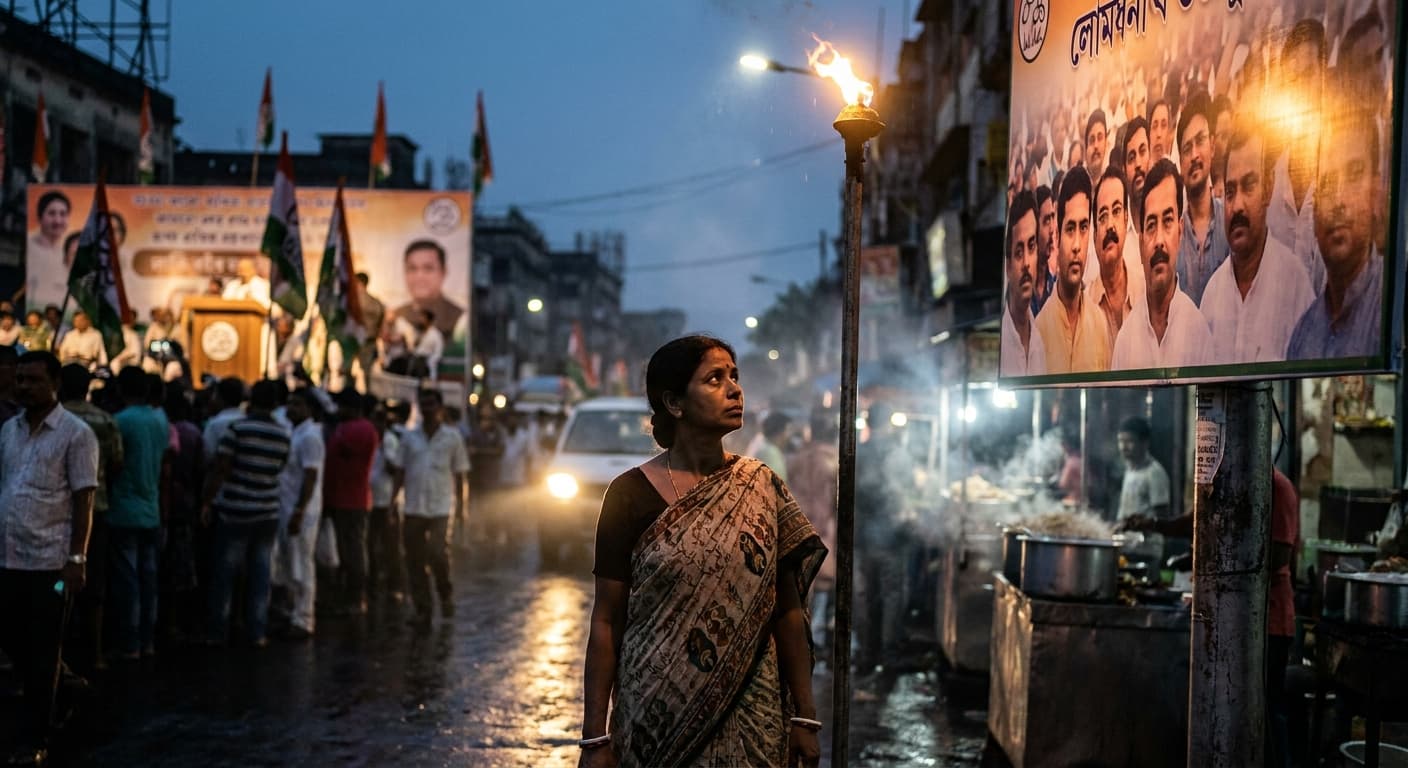
India's Women's Reservation Paradox: Bengal Holds Up the Mirror
West Bengal's 2026 elections expose the core flaw in the Women's Reservation Act — parties that send women to Parliament refuse to field them locally.
West Bengal is running two elections simultaneously in 2026 — and they tell opposite stories about women in politics. In the Lok Sabha, Bengal returned women in roughly 38% of its seats in 2024. In the ongoing state assembly contest, women account for just ~18% of candidates across major parties. The gap isn't coincidence. It's a structural choice, and it undermines the entire premise of the Nari Shakti Vandan Adhiniyam — the Women's Reservation Act passed unanimously in September 2023.
The Act That Won't Move
The 2023 law promised 33% reservation for women in the Lok Sabha and state assemblies. But it was always conditional: implementation requires a delimitation exercise based on a fresh census. As of April 2026, that census hasn't happened. The Cabinet approved a houselisting timeline starting 2026 with population enumeration in 2027, pushing any realistic delimitation — and thus any activated reservation — past 2030 at the earliest.
A second attempt to break the deadlock collapsed on April 17, 2026, when the Constitution (131st Amendment) Bill was defeated in the Lok Sabha: 298 votes for, 230 against, short of the two-thirds supermajority required. The opposition, including the Trinamool Congress, rejected the bill not on women's reservation per se, but because it bundled reservation with a delimitation formula critics argued would redraw seats in favor of Hindi-heartland states at the expense of Bengal, the South, and the Northeast. TMC didn't even attend the government's pre-bill consultation meeting, per
The Hindu.
Bengal's Duality Is the Point
The Bengal numbers are damning precisely because they're voluntary. No law compelled parties to send women to Parliament from Bengal in 2024 — they chose to. TMC fielded 52 women among its 291 assembly nominees for 2026, roughly 18%. BJP's first list of 144 seats included just 11 women, under 8%, per The Hindu. State power, with its control over police, administration, and patronage networks, is apparently still considered too valuable to share.
This is the core irony the NDTV piece identifies: parties treat Parliament as an acceptable venue for women's representation but guard state legislatures as the real levers of power. The reservation law, when it finally kicks in, will force the issue at both levels. Until then, voluntary behavior reveals the actual preference.
What to Watch
Three things matter now on India politics:
- Whether the government reintroduces the 131st Amendment as a standalone bill, decoupled from delimitation — the path the opposition has signaled it would support.
- Bengal's assembly results, expected in mid-2026. If TMC wins decisively while fielding fewer women than it sent to Parliament, it will sharpen the political cost-of-reservation debate ahead of the 2027 budget session.
- The 2027 census timeline. Any slippage pushes delimitation past 2031, which means women's reservation in state assemblies could remain theoretical well into the 2030s.
The Act exists. The consensus to pass it was unanimous. The machinery to implement it is being deliberately slowed — and Bengal's ballot papers show exactly why.
Women S Reservation ActWest BengalPolitical RepresentationNari Shakti Vandan AdhiniyamElections 2026
Discover more
India
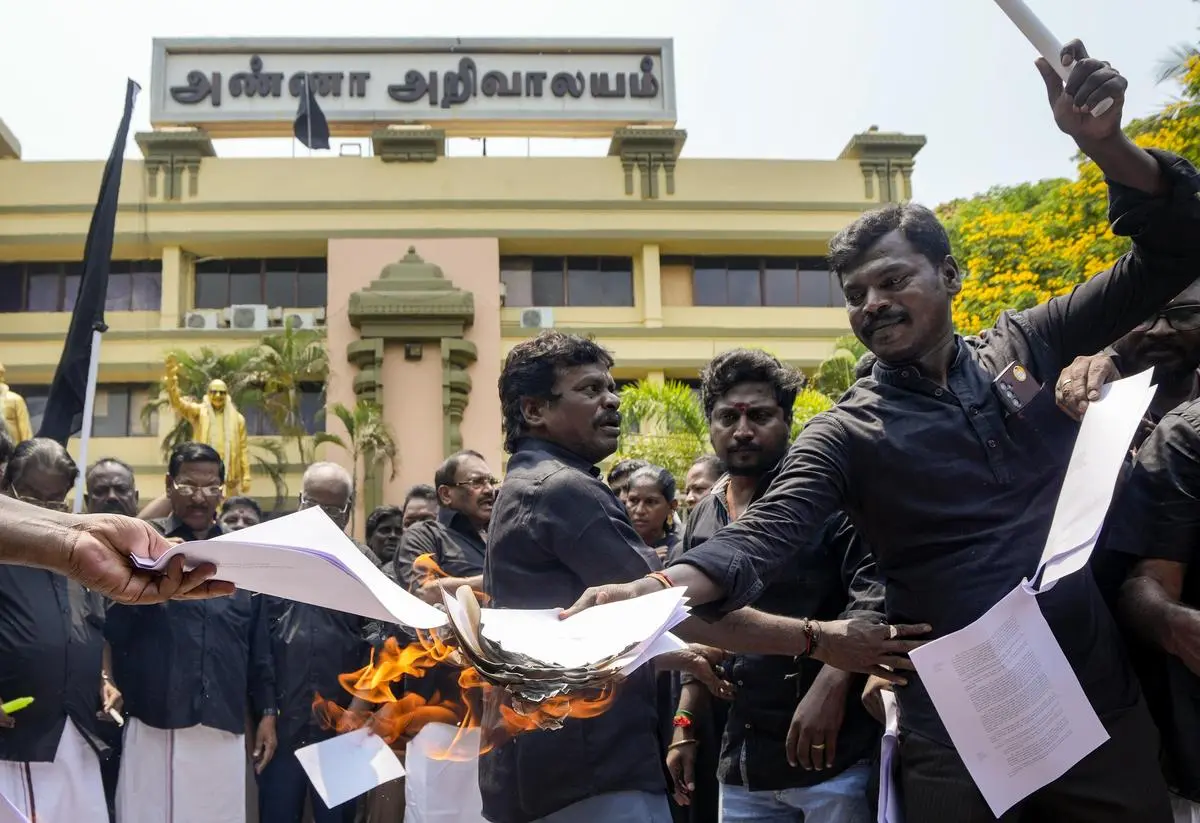
Women’s Reservation Bill 2026
The Constitution (131st Amendment) Bill, 2026 was defeated in Lok Sabha, revealing deeper political conflicts over women's reservation and delimitation.
India
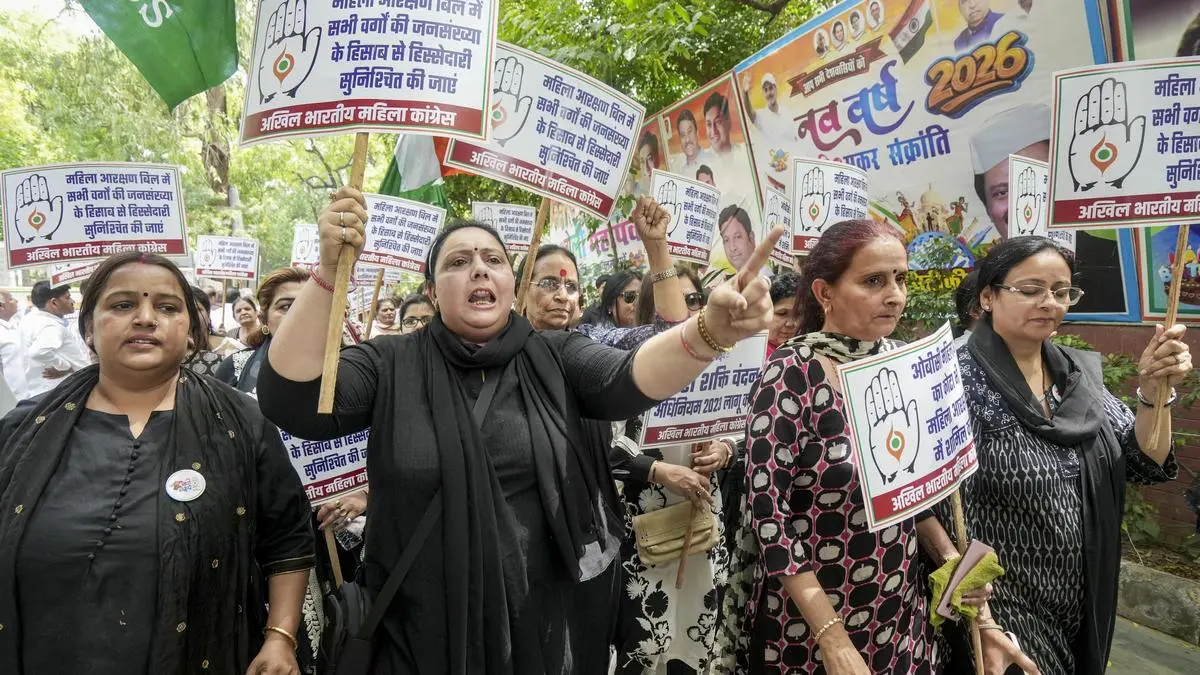
BJP's Misunderstanding of Women's Quota Needs
The BJP's linking of the Women Reservation Bill to delimitation risks delaying women's empowerment in India, misreading the aspirations of female voters.
India
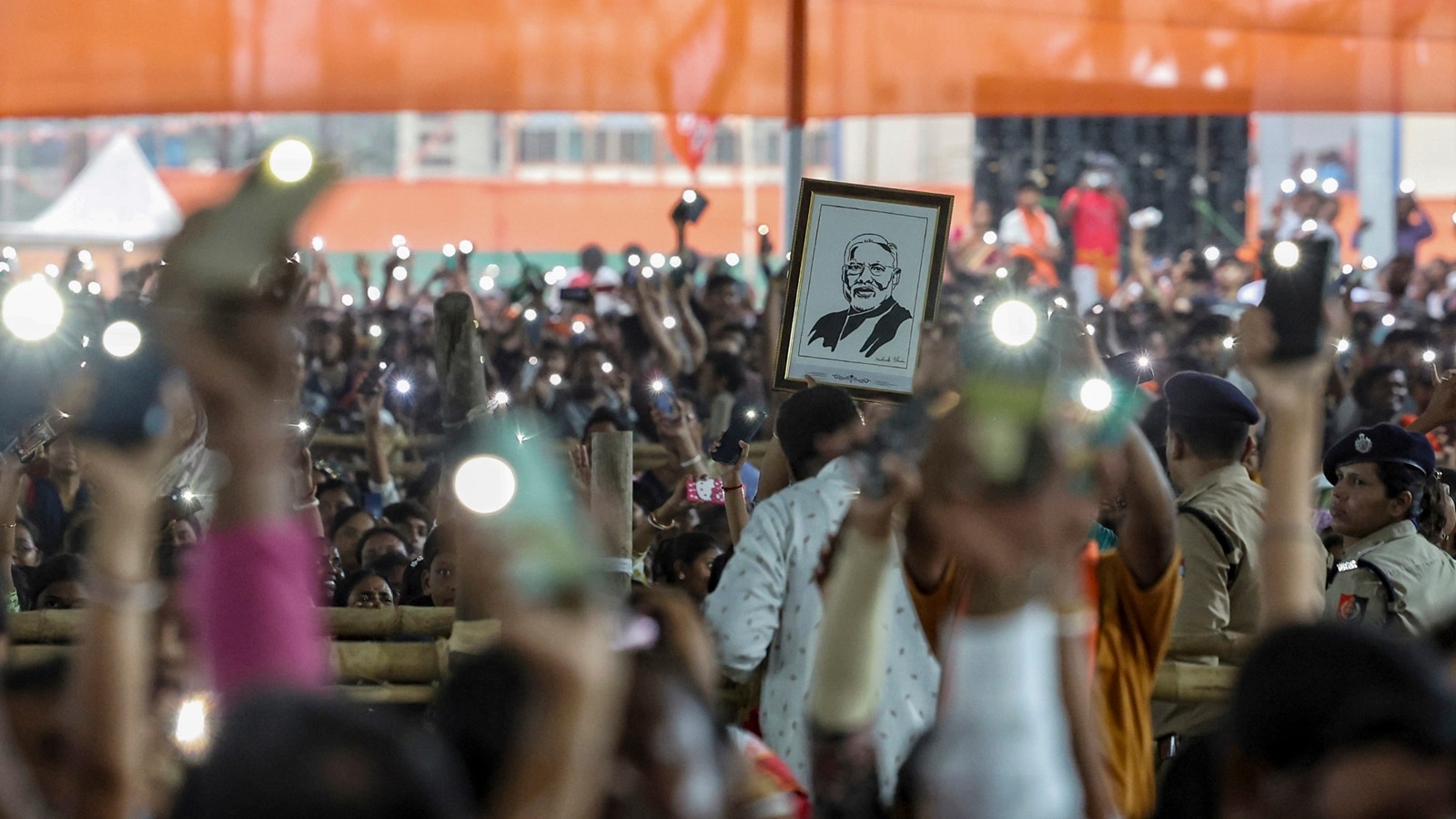
Modi's Women’s Convention in Varanasi
Modi's Varanasi rally frames women's reservation as a national mission, targeting the 2027 Uttar Pradesh elections with a strategic narrative.

Conflict & Security
Drone Warfare Killing Aid Workers at Unprec
Over 1,000 humanitarian workers killed in three years as cheap armed drones collapse legal protections. Gaza, Sudan, Ukraine, and DRC see deliberate targeting of aid convoys and hospitals with zero prosecutions.