India's Women's Quota Overhaul
Modi's Cabinet clears women's reservation bills, but delays loom.
Model Diplomat3 min readAsia
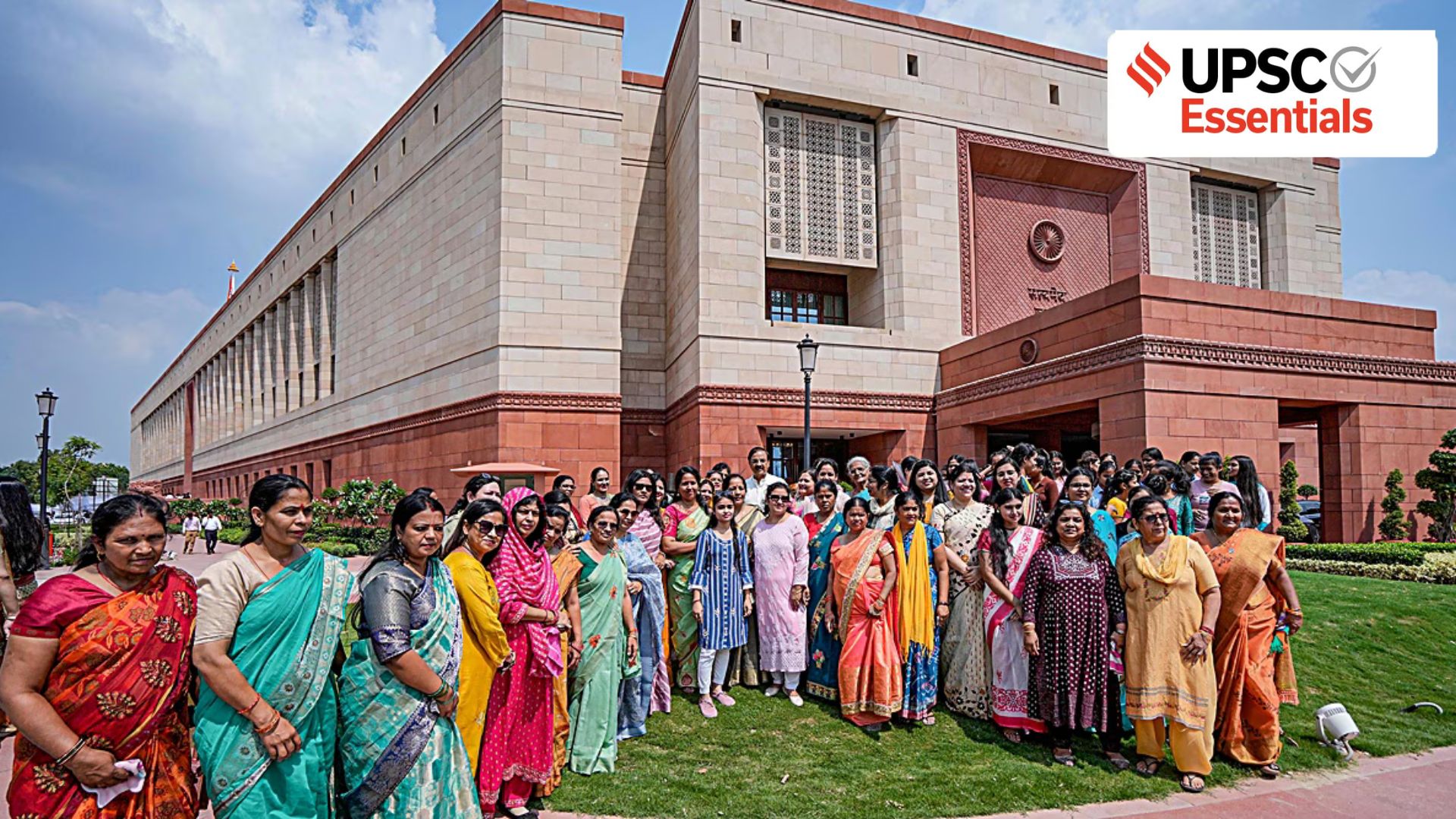
India's Women's Quota Overhaul: Real or a 2029 Mirage?
Modi's Cabinet cleared three bills in April 2026 to implement 33% women's reservation — but the fine print delays everything to the next election cycle.
India's Union Cabinet approved a draft constitutional amendment on April 8, 2026 to operationalize the Nari Shakti Vandan Adhiniyam — the 2023 law reserving one-third of Lok Sabha and state assembly seats for women. Three bills were tabled for the Parliament session of April 16–18: a Constitution Amendment Bill, a Delimitation Bill, and an enabling bill for Union Territories. The headline is historic. The mechanics, however, are a study in strategic delay.
The Structural Catch: Delimitation as Gatekeeper
The 2023 law was always contingent — reservation kicks in only after a new census and subsequent delimitation. The government's 2026 amendment proposes to delink reservation from the census, instead basing delimitation on 2011 population data — the last census India actually completed. That unlocks the 2029 Lok Sabha election as the target implementation date.
The Delimitation Bill would expand the Lok Sabha from 543 to 816 seats and state assemblies from 4,123 to 6,186 — a ~50% increase. This is where southern states see an existential threat: seats redrawn on 2011 data punish states like Tamil Nadu and Kerala that controlled population growth, redistributing political weight northward toward BJP's Hindi-belt strongholds. DMK, CPI(M), and Congress have flagged this as a political realignment dressed as gender justice.
The three-day legislative window for three constitutional amendments also drew fire from over 260 academics and former civil servants who demanded public consultation before passage, per Frontline. The texts weren't publicly released before the session — a secrecy row that undermines the reform's legitimacy optics.
Who Gains, Who Loses
BJP/NDA captures the narrative win now — "historic women's empowerment" — while deferring electoral disruption to 2029, after which seat rotation mechanics will be worked out. Women candidates within the party benefit from certainty of reserved slots, but the party also controls rotation design, giving it structural leverage over which constituencies get reserved.
Southern states — particularly Tamil Nadu under the DMK — face a dual compression: losing proportional Lok Sabha weight under northern-skewed delimitation and having one-third of their reduced seat count reserved, shrinking their effective electoral maneuverability.
Women as a political constituency, however, remain instrumentalized. The deeper critique — raised long before this week — is that presence without power is insufficient. Reserved seats without OBC sub-categorisation, without party finance reform, and without internal party democracy mean women enter legislatures as proxies for male party bosses. Research on India's panchayat-level reservation consistently shows that formal quotas deliver real policy gains only where women hold genuine decision-making authority, not just a seat.
What to Watch Next
Three dates matter. First, whether the Constitution Amendment Bill clears the required two-thirds majority in both houses — it needs opposition support, and the Congress-DMK bloc has leverage to extract concessions. Second, the 2026 census house-listing phase, now confirmed by Cabinet, which sets the timeline for any future delimitation revision. Third, seat rotation rules — which constituencies get reserved across election cycles — will be drafted after enactment, handing the ruling party the most consequential design power of all.
The bill passes the politics-of-presence test. Whether it survives the politics of power is a different question entirely.
Discover more
India
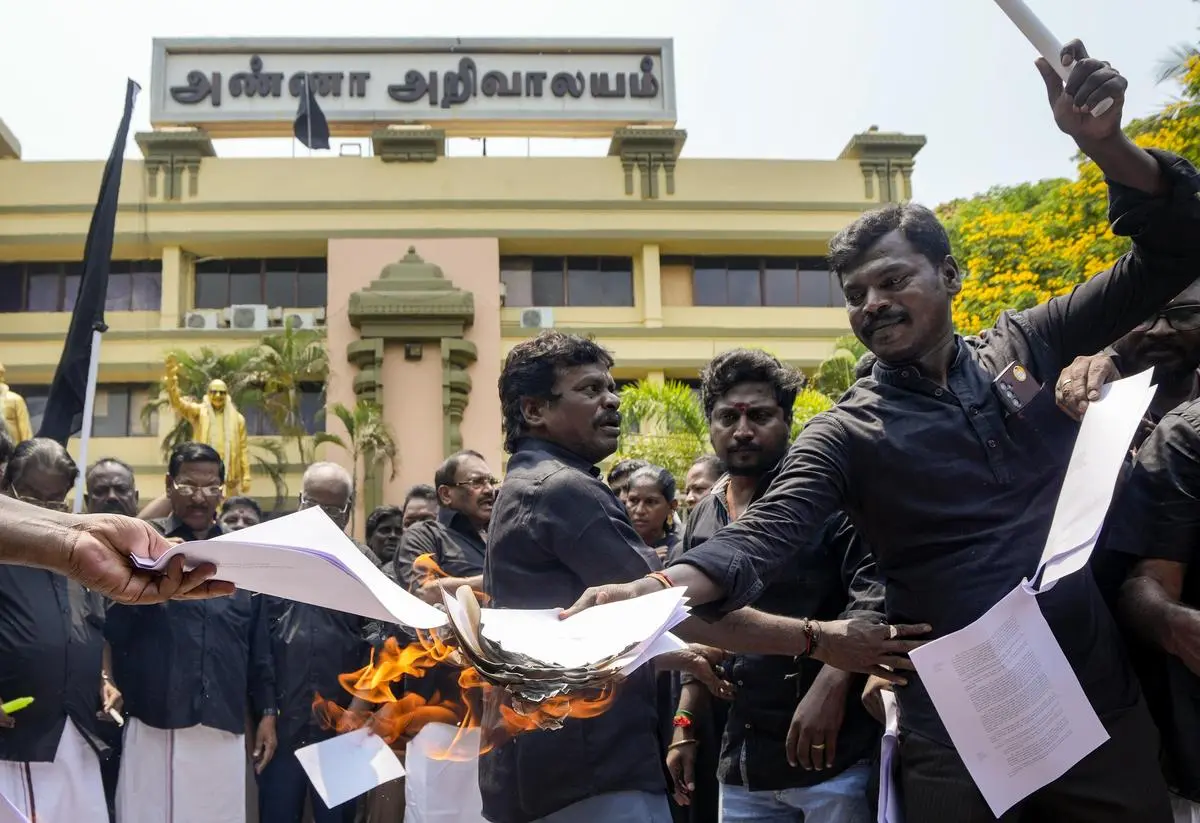
Women’s Reservation Bill 2026
The Constitution (131st Amendment) Bill, 2026 was defeated in Lok Sabha, revealing deeper political conflicts over women's reservation and delimitation.
India
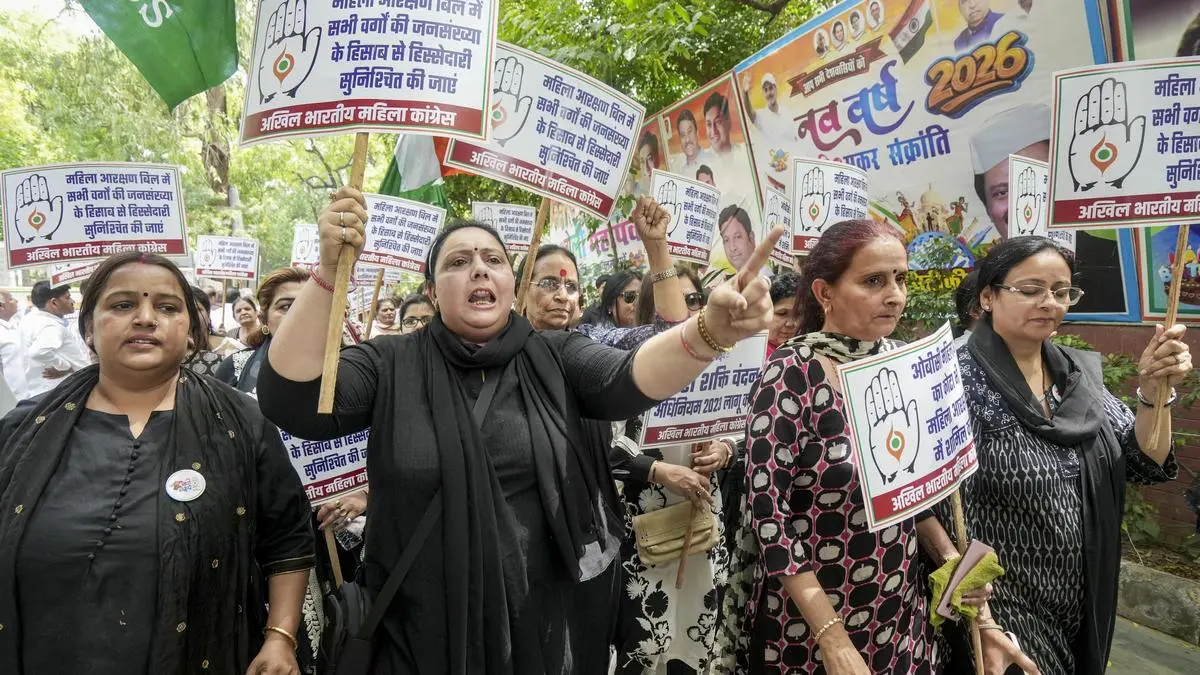
BJP's Misunderstanding of Women's Quota Needs
The BJP's linking of the Women Reservation Bill to delimitation risks delaying women's empowerment in India, misreading the aspirations of female voters.
India
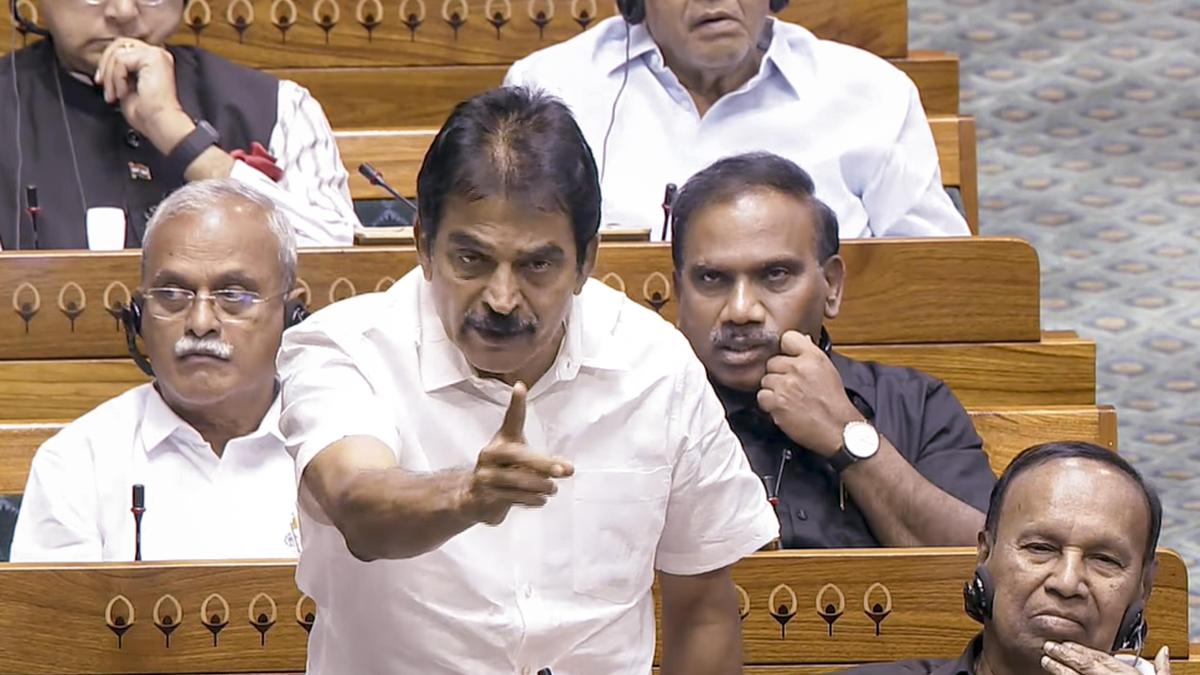
BJP's Delimitation Strategy
Congress leader K.C. Venugopal claims the BJP uses women's reservation to advance delimitation, raising fears over electoral fairness ahead of the 2029 polls.

Conflict & Security
Drone Warfare Killing Aid Workers at Unprec
Over 1,000 humanitarian workers killed in three years as cheap armed drones collapse legal protections. Gaza, Sudan, Ukraine, and DRC see deliberate targeting of aid convoys and hospitals with zero prosecutions.