India's Women's Quota
Congress seizes opportunity after BJP's women's quota bill defeat
Model Diplomat3 min readIndia
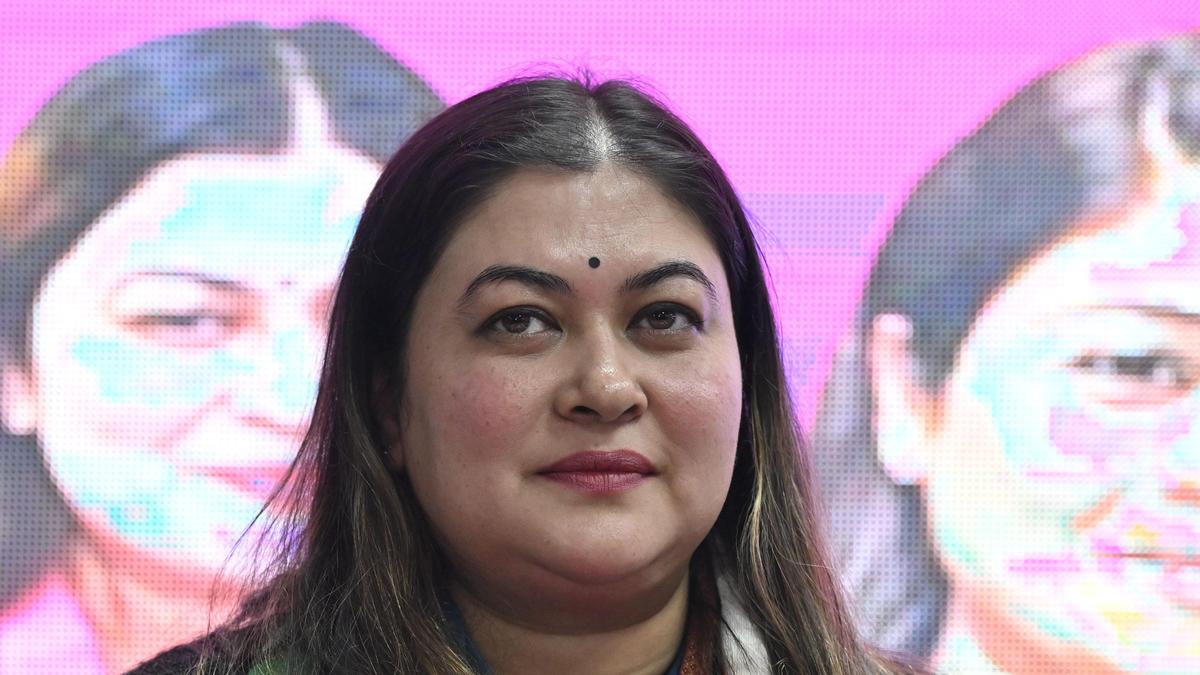
India's Women's Quota: Congress Attacks as BJP's Gambit Collapses in Parliament
The 131st Amendment Bill's defeat on April 17 leaves the 33% women's reservation in legal limbo — and hands Congress a potent electoral weapon.
The political fight over India's 33% women's legislative quota has entered a new and sharper phase. On April 17, 2026, the government's Constitution (131st Amendment) Bill — its flagship vehicle for operationalizing women's reservation by the 2029 general elections — was defeated in the Lok Sabha, falling short of the required two-thirds majority with a vote of 298 in favour, 230 against. Congress is now pressing the advantage, accusing the BJP of deliberately stalling a law it claims to champion.
The Structural Trap BJP Built
The government's collapse was largely self-inflicted. Rather than moving directly on the Nari Shakti Vandan Adhiniyam (2023) — the existing law that already mandates 33% reservation — the BJP bundled its implementation with a controversial delimitation package that would expand the Lok Sabha from 543 to 816 seats based on the 2011 Census. That linkage proved fatal.
DMK called delimitation an "assault on federalism," warning Tamil Nadu and other southern states would lose political weight relative to more populous northern states. Rahul Gandhi framed the bill as an attempt to redraw India's electoral map for partisan advantage. Regional parties in the opposition coalition — ordinarily divided — found common cause in blocking it. The government did not have the numbers.
What makes this politically corrosive for the BJP: the Nari Shakti Vandan Adhiniyam was notified into force on April 16, 2026 — the day before the bill's defeat — triggering a 15-year sunset clause that now runs the reservation's implementation timeline out to approximately 2041 unless Parliament acts. The Modi government technically "activated" the law while simultaneously watching the vehicle for its near-term implementation die on the floor.
Who Holds the Attack Line Now
Congress is the clear short-term beneficiary. The party's position — support the reservation, oppose the delimitation linkage — allows it to claim the moral high ground on women's representation while opposing a boundary redraw that would likely benefit BJP-dominated northern constituencies. The slogan "Women will respond" is a direct mobilisation pitch aimed at female voters ahead of state elections in West Bengal and Tamil Nadu, where delimitation is particularly toxic.
Home Minister Amit Shah tried to hold the frame, arguing the three bills were inseparable and accusing the opposition of blocking both delimitation and women's rights simultaneously. PM Modi offered assurances that southern states' seat counts would grow — from 129 to 195 under his proposed expansion. Neither argument moved enough votes.
The deeper problem for the BJP is credibility. It passed the 2023 Act with fanfare but embedded a condition — census-linked delimitation — that guaranteed delay. Congress is now converting that gap between promise and delivery into a women's vote mobilisation strategy for 2029.
For the full arc of India's political landscape, the episode illustrates a recurring pattern: constitutional amendments used as electoral positioning rather than governance.
What to Watch Next
The 2023 Act's 15-year clock is now running. Without new legislation, the earliest the quota applies to a general election is 2029 at the absolute earliest — and only if Parliament passes a fresh enabling bill before then. The government has signalled it will not move the two related bills that died with the 131st Amendment. That means the legislative path to pre-2029 implementation is currently closed.
Watch state assembly elections in West Bengal (2026) and Tamil Nadu for whether the "women will respond" frame generates measurable vote-share shifts. If it does, expect the BJP to seek a negotiated path back to the floor — possibly decoupling reservation from delimitation to neutralise the attack. That climbdown, if it comes, is the next real decision point.
Discover more
India
Congress Accuses Modi of Stalling Women's Law
Congress accuses Modi of stalling women's reservation law by linking it to delimitation, revealing a deeper electoral strategy.
India
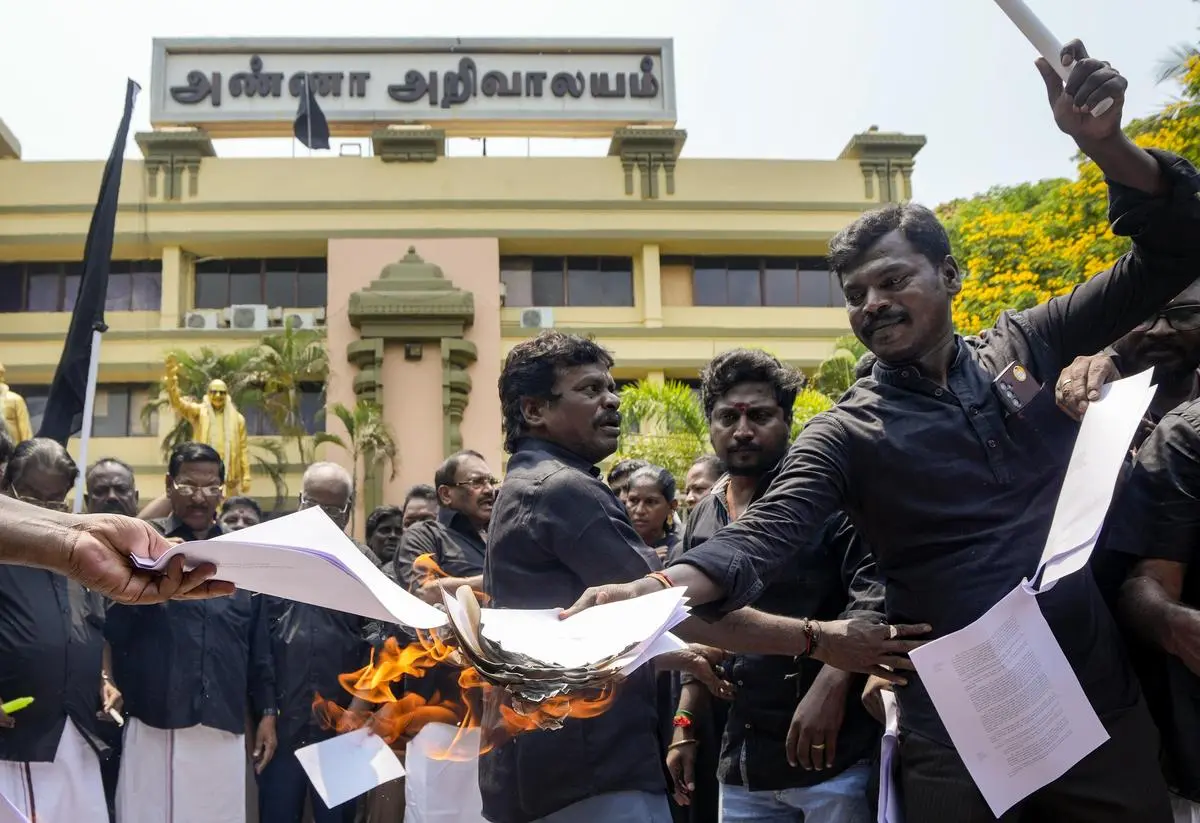
Women’s Reservation Bill 2026
The Constitution (131st Amendment) Bill, 2026 was defeated in Lok Sabha, revealing deeper political conflicts over women's reservation and delimitation.

Conflict & Security
Drone Warfare Killing Aid Workers at Unprec
Over 1,000 humanitarian workers killed in three years as cheap armed drones collapse legal protections. Gaza, Sudan, Ukraine, and DRC see deliberate targeting of aid convoys and hospitals with zero prosecutions.

Global
World Normalises Taliban as Afghan Women Eras
UN data shows Afghan women erased from public life as Russia recognises the Taliban, EU hosts officials in Brussels, and ICC warrants for gender persecution go unenforced.