BJP's Women's Quota and Delimitation
Exploring the implications of BJP's new electoral strategy
Model Diplomat3 min readIndia
BJP's Women's Quota-Delimitation Package Is a North–South Power Transfer
India's April 2026 bills bundle 33% women's reservation with a seat redraw that could permanently shift Lok Sabha weight toward the Hindi belt.
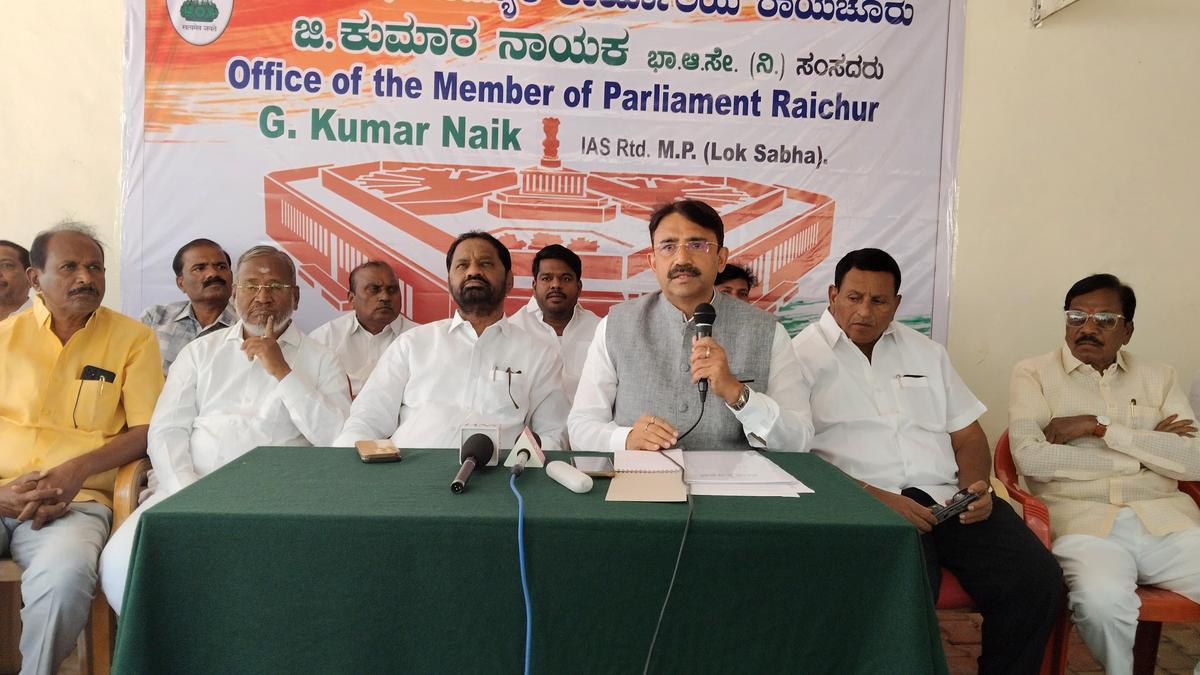
The Modi government introduced three interlocking bills between April 14–16, 2026 — a Constitutional Amendment enshrining 33% reservation for women in Parliament and state assemblies, a Delimitation Bill redrawing electoral boundaries, and an enabling bill for Union Territories. The package is framed as a historic advance for women's representation. MP G. Kumar Naik and a widening chorus of opposition voices argue it is something else: a structural reordering of India's parliamentary map that benefits the BJP's northern base at the expense of states that governed their demographics better.
The Mechanism — and Who It Hurts
The Delimitation Bill would expand Lok Sabha seats from 543 to approximately 850, reallocating them using 2011 Census data. That data reflects a north–south demographic divergence that decades of population policy created: southern states reduced fertility rates; the Hindi belt did not.
The arithmetic is stark. Under the proposed formula, southern states' collective Lok Sabha share drops from 24.3% to roughly 20.7%, while the Hindi-majority north and centre rises from 38.1% to approximately 43.1%, according to The Hindu's analysis of the Centre's draft bills. Uttar Pradesh alone would climb from 80 to 120 seats. Telangana Chief Minister Revanth Reddy calculates that the five southern states gain around 66 seats collectively — while the northern belt gains roughly 142, permanently widening the gap in
a legislature of near-900 members.
The BJP's counter is that no southern state loses absolute seat count — everyone grows, just unevenly. It is a defensible claim on paper and a political masterstroke in design: it neutralises the sharpest talking point while locking in structural advantage ahead of 2029.
Why the Bundling Matters
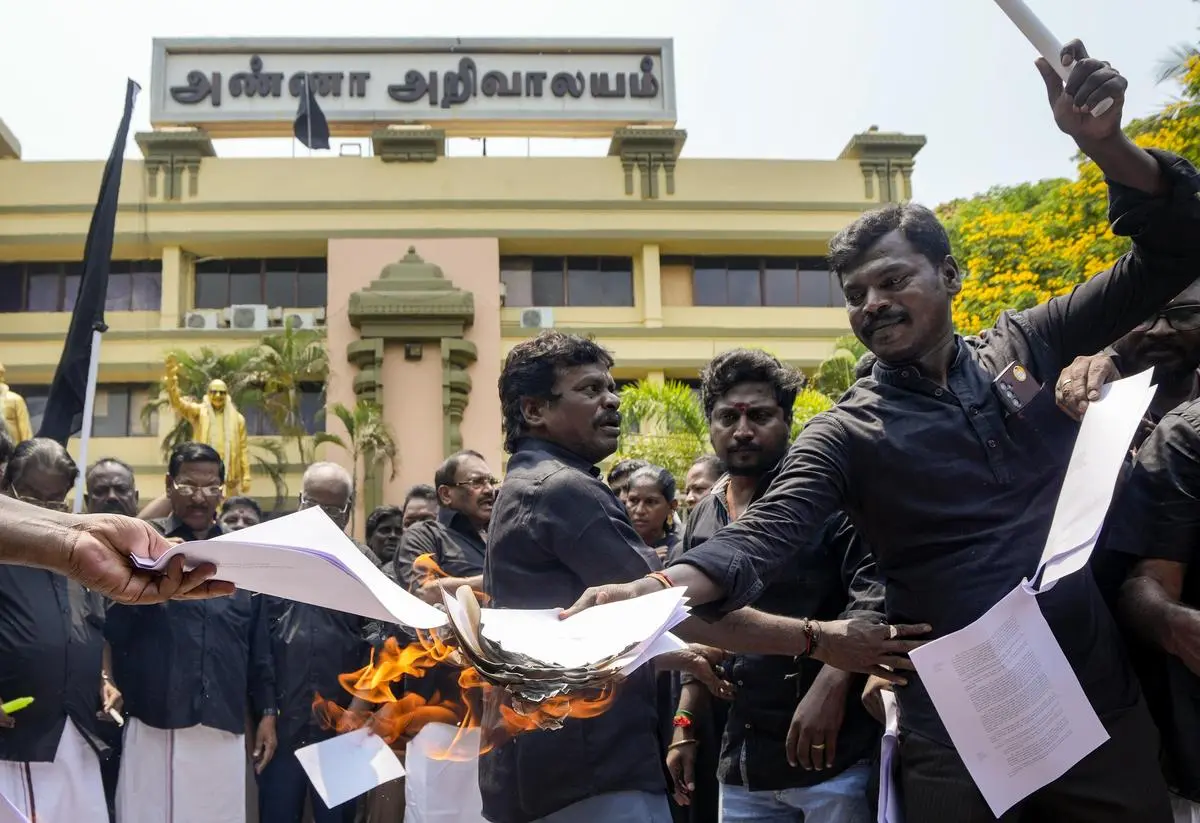
Women's reservation — first passed in 2023 but dormant pending delimitation — now becomes the political cover for the seat redraw. Congress supports the 33% quota but opposes the delimitation linkage, demanding sub-quotas for OBC women and a fresh caste census. DMK frames the entire exercise as an assault on federalism and has signalled protests. CPI(M) calls it electoral opportunism dressed as social justice.
The opposition's dilemma is visible: vote against the package and own the optics of blocking women's representation. Support it and ratify a parliamentary map that advantages the BJP for a generation. This is not an accident of legislative design — it is the design.
For India's coalition politics, the bills test whether southern regional parties can build a coherent blocking coalition. They have shared interests but fractured trust.
What to Watch Next
The constitutional amendment requires a two-thirds majority in both Houses plus ratification by at least half of state assemblies — giving opposition-controlled legislatures a formal veto point. Watch whether Tamil Nadu, Karnataka, Kerala, Telangana, and Himachal Pradesh coordinate a joint rejection in their assemblies. The monsoon session of Parliament (likely July–August 2026) is the next critical juncture: that is when floor management, horse-trading, and the real vote math will become visible.
If the bills pass intact, the 2029 general election will be contested on a map drawn to BJP's demographic advantage. That is the prize — women's reservation is the price of entry.
Discover more
India
Women’s Reservation Bill 2026
The Constitution (131st Amendment) Bill, 2026 was defeated in Lok Sabha, revealing deeper political conflicts over women's reservation and delimitation.
India
BJP's Misunderstanding of Women's Quota Needs
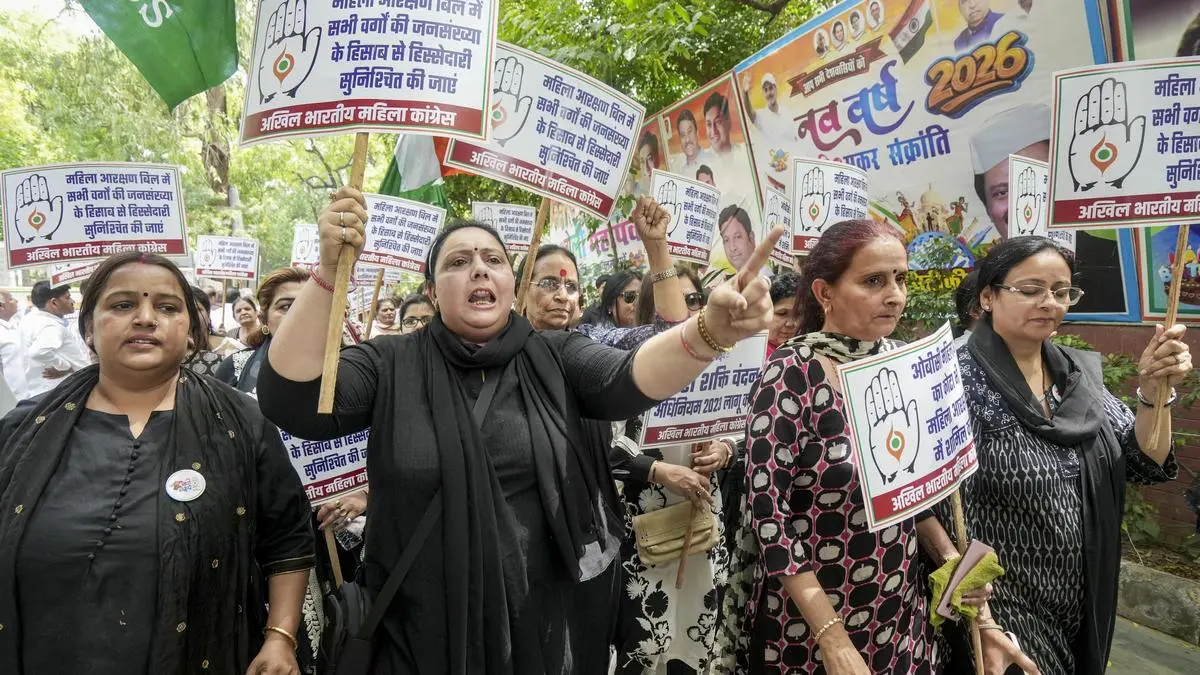
The BJP's linking of the Women Reservation Bill to delimitation risks delaying women's empowerment in India, misreading the aspirations of female voters.
India
BJP's Delimitation Strategy
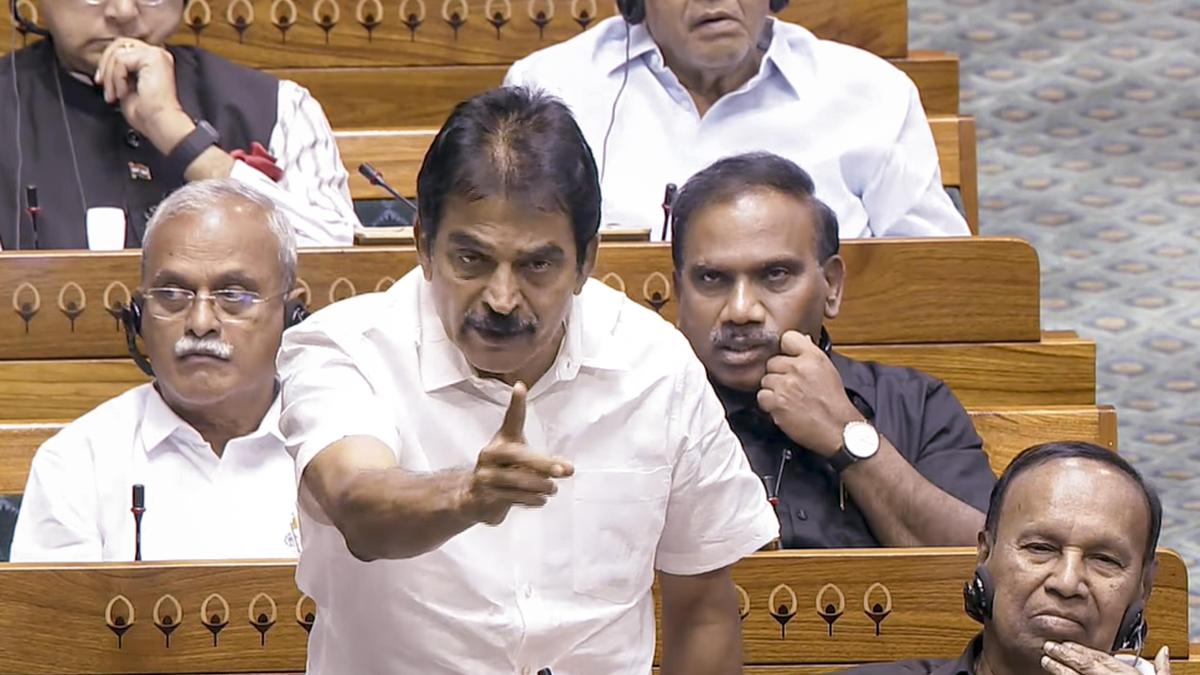
Congress leader K.C. Venugopal claims the BJP uses women's reservation to advance delimitation, raising fears over electoral fairness ahead of the 2029 polls.

Conflict & Security
Drone Warfare Killing Aid Workers at Unprec
Over 1,000 humanitarian workers killed in three years as cheap armed drones collapse legal protections. Gaza, Sudan, Ukraine, and DRC see deliberate targeting of aid convoys and hospitals with zero prosecutions.