India Increases Dearness Allowance by 2%
Government raises DA to 60% to combat inflation for employees
Model Diplomat3 min readIndia
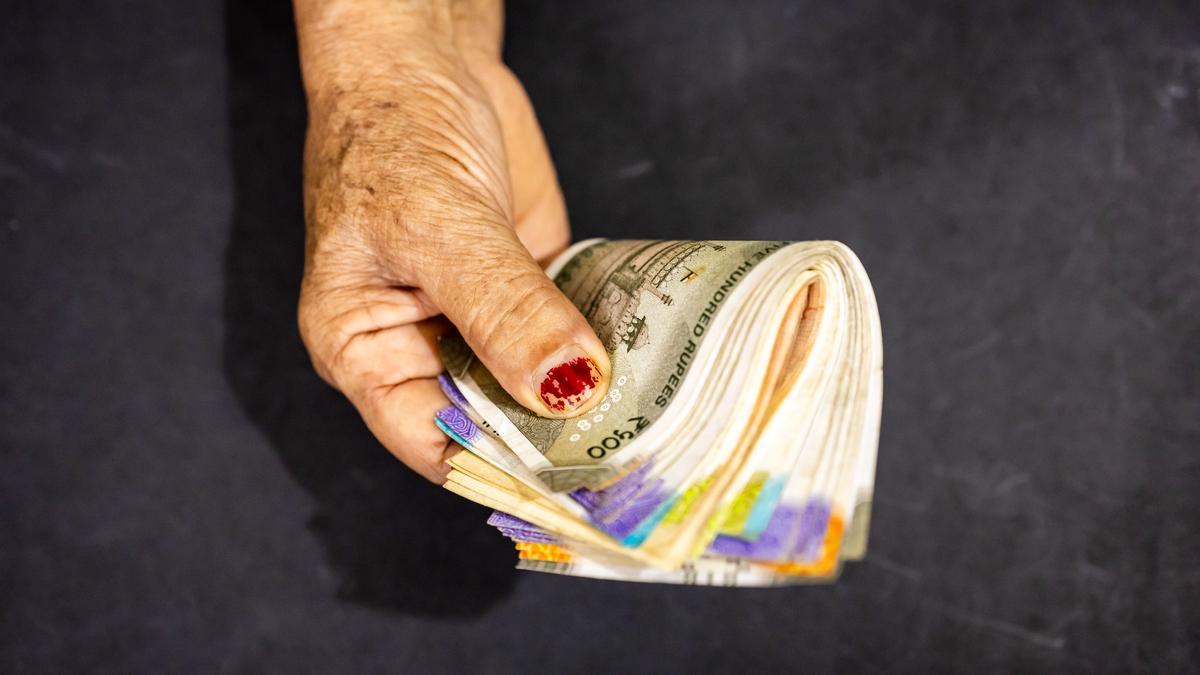
India’s Union Cabinet Approves 2% Raise in Dearness Allowance Amid Inflation Concerns
India’s government hikes Dearness Allowance by 2%, lifting it to 60% of basic pay and pension, a nod to inflation pressures hitting central employees and pensioners alike.
On April 18, 2026, India’s Union Cabinet, led by Prime Minister Narendra Modi, approved a 2% increase in the Dearness Allowance (DA) and Dearness Relief (DR) for central government employees and pensioners. Effective retroactively from January 1, 2026, the raise lifts the DA/DR rate from 58% to 60% of the basic salary and pension respectively, reaffirming the government’s commitment to easing the inflationary burden on public sector workers and retirees. This decision aligns with the periodic revisions stemming from government pay commission recommendations and consumer price index (CPI) movements The Hindu.
Why This Matters More Than Just Numbers
The Dearness Allowance, a cost-of-living adjustment paid to about 1.5 crore central government employees and 65 lakh pensioners, is designed as a buffer against inflation. When inflation accelerates—as it has in India throughout 2025 due to supply chain issues, rising fuel prices, and global economic volatility—DA adjustments are more than mere formalities. By increasing DA to 60%, the government acknowledges inflation’s sustained impact over the past year.
This incremental jump signals official recognition that inflation is not easing as quickly as hoped. Since DA revisions closely track the CPI, this adjustment suggests inflation data from mid to late 2025 pointed to persistent price increases, especially in essentials such as food and fuel. For millions of pensioners and workers, this 2% raise translates into meaningful additional financial relief amid stagnant wages and rising living costs.
Politically, the move also weighs on the government’s narrative of economic stability under Narendra Modi’s tenure. Central employees remain a politically sensitive cadre, and timely DA hikes help maintain government credibility ahead of state and national elections scheduled in 2026-27. It also prevents labor unrest in a sector that has historically been a pressure valve for broader economic discontent.
Historical and Economic Parallels
India has a long precedent of DA hikes corresponding to inflationary episodes. For instance, during the high inflation phases of 2010-11 and again in 2022, the government issued periodic DA increases to cushion employees and pensioners. The current 60% mark is notably higher than the 52% rate prevalent in 2023 but still below peak DA levels seen in years when inflation topped 7-8% annually.
However, because DA is linked directly to CPI, the timing and size of hikes often reflect the government’s reading of inflation trajectory more than absolute price pressures. The retroactive nature of this raise (effective January 1) fits this pattern—adjusting once enough data confirms sustained inflation but recognizing the lag inherent in government pay structures.
What to Watch Next
Inflation data for the first half of 2026 will be critical in determining whether the government will approve further DA hikes. If inflation moderates toward the Reserve Bank of India’s target of 4% +/- 2%, future increases could slow or pause. But if inflation remains sticky due to global commodity prices or domestic supply constraints, expect the cabinet to continue these incremental adjustments.
Additionally, state governments, which often follow central DA revisions, may mirror this increase to maintain parity for employees under their purview. This could widen the fiscal impact, as DA hikes have a cumulative effect on government spending—estimated at tens of thousands of crores of rupees annually.
For pensioners, whose income is largely fixed, the relief is immediate but partial. Longer-term reforms to pension indexing, still under debate, could shape future financial security for India’s aging workforce.
India’s DA adjustment is not just an accounting exercise—it’s a barometer of inflation’s social impact and a lever of political and economic stability. As the government edges toward the 2026 elections, how it balances cost of living, fiscal discipline, and worker satisfaction will be a key story to watch.
For deeper insights on India’s policy landscape, visit India profile and explore broader themes at
Global Politics.
Discover more
Economics
Dangote's Dollar Pricing Exposes Nigeria's Cr
Dangote Refinery switched fuel pricing from naira to dollars on July 13, 2026, exposing a structural crude supply gap that undermines Nigeria's naira-for-crude framework and threatens currency stability.
Economics
Dangote Dollar Pivot Breaks Nigeria's Naira-C
Dangote refinery ends naira pricing for fuel, exposing Nigeria's crude supply gap. The shift breaks Tinubu's currency stability policy and threatens inflation as NNPC fails to deliver enough domestic crude.

Economics
Warsh's Fed Tilts Hawkish: June Minutes
The Federal Reserve's June minutes reveal a hawkish shift, with policymakers favoring interest rate hikes, impacting global currencies and rates.
Economics
Tariff Pass-Through: Inflation's New Reality
New York Fed's survey shows 47% of firms expect ongoing price hikes from tariffs, challenging inflation forecasts and Fed rate decisions.