India's Parliament Session
Key amendments on women's reservation and delimitation in focus
Model Diplomat3 min readIndia
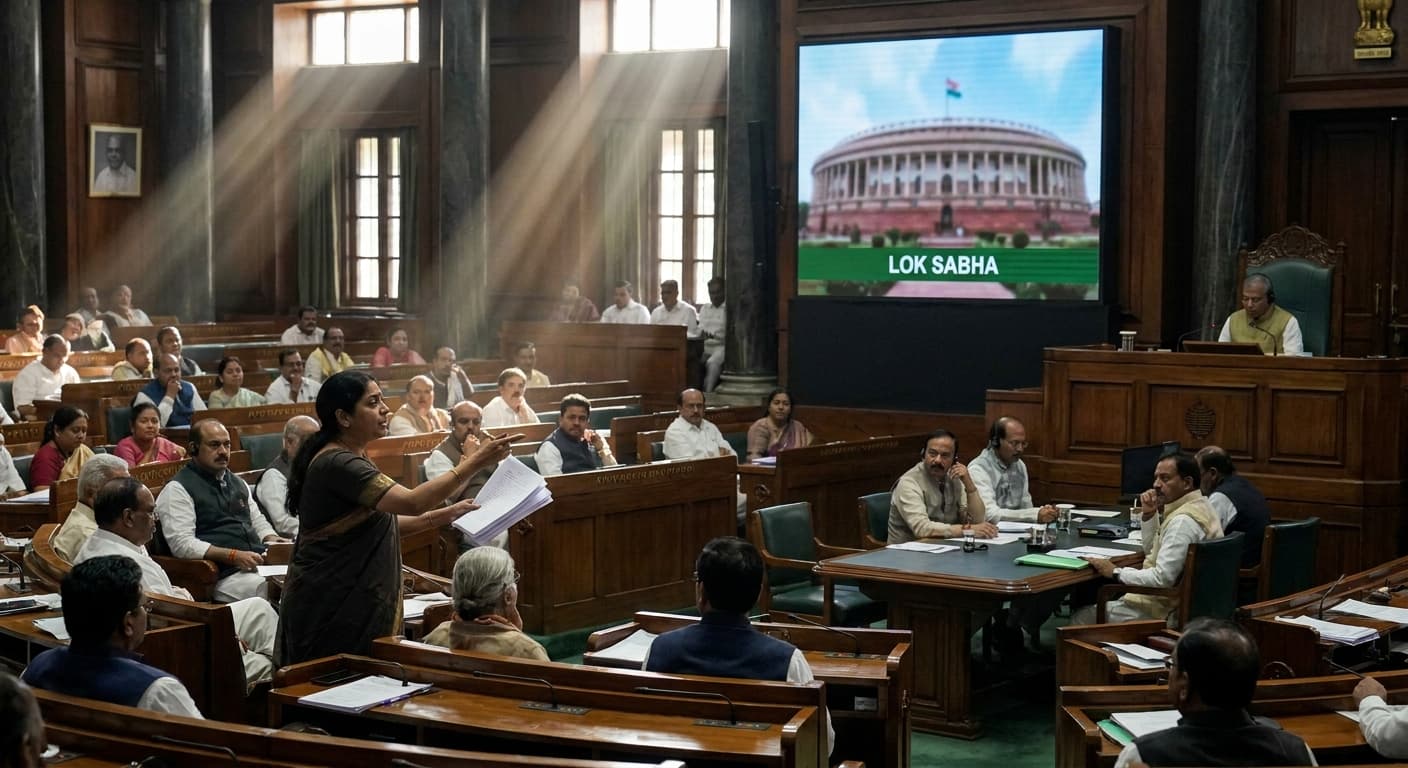
India’s Special Parliament Session Kicks Off: Women’s Reservation and Delimitation Take Center Stage
India begins a three-day special Parliament session focused on crucial constitutional amendments to operationalize women’s reservation and address delimitation complexities.
India’s Parliament opened a special three-day session on April 17, 2026, with a sharp legislative focus: advancing the Nari Shakti Vandan Adhiniyam, a constitutional amendment designed to guarantee reservation for women in legislative bodies, alongside related bills aimed at delimitation adjustments. The government plans to table three crucial amendment Bills that will ultimately operationalize the much-delayed women’s reservation law.
Why This Matters: The Long Road to Women’s Reservation
Women’s reservation in Indian legislatures has been a decades-old demand and a political promise marred by repeated delays. The 33% quota for women in Parliament and state assemblies was originally proposed in the 1990s but has been stuck in political limbo, largely due to disagreements over delimitation—the redrawing of electoral constituencies—and the impact reservation might have on sitting legislators.
The current session seeks to break this deadlock by coupling women’s reservation with delimitation reforms, which will recalibrate electoral boundaries based on the latest census data. This pairing is strategic: constituency boundaries must be adjusted to fairly accommodate reserved seats for women without disproportionately impacting existing political equations.
This push aligns with Prime Minister Narendra Modi’s broader political narrative of empowering women and promoting gender equality. Actualizing women’s reservation is expected to increase women’s legislative representation significantly beyond the current approximate 14% in the Lok Sabha (lower house). It could reshape party candidate selection and voter dynamics in upcoming state and general elections.
Political and Social Ripples
The special session is a pressure point for political parties, especially regional and opposition groups, which have historically been divided on the women’s reservation issue. Some parties argue the reservation could disrupt existing social equations or reduce opportunities for marginalized communities. Others see it as long overdue and a vital step toward inclusive governance.
Delimitation itself is politically sensitive, as redrawing boundaries has winners and losers. States like Uttar Pradesh, Bihar, and Maharashtra will be closely watching how changes affect their political clout. The alignment of delimitation with women’s reservation may help governments mitigate opposition by presenting a package deal that addresses multiple electoral reforms at once.
Moreover, this session highlights the challenges of legislative reform under India’s democratic system, where coalition politics and regional interests can stall landmark social legislation. The government’s determination to push through three amendment bills quickly signals a tactical move to capitalize on its current parliamentary majority.
What to Watch Next
- Parliamentary Debate and Passage: The three amendment Bills on women’s reservation and delimitation will face intense scrutiny in the Lok Sabha and Rajya Sabha. Lawmakers’ amendments, compromises, or outright opposition could shape the final contours of this reform.
- Opposition and Regional Party Responses: How key players like the Samajwadi Party, BSP, and others react will influence the political narrative around gender and regional equity.
- Implementation Timeline: The government’s timeline for rolling out the reservation in subsequent elections will be critical. Delimitation exercises can be lengthy and contentious, potentially delaying practical effects.
- Impact on 2029 General Elections: The reservation quota could reshape candidate selection, voter alignments, and ultimately parliamentary composition.
India’s special session is a moment of reckoning for the women’s reservation movement—moving from political rhetoric to legislative reality. The delicately intertwined measures on delimitation underscore how gender equity reforms in India remain deeply political and challenging to implement. Success here would mark one of the most significant steps toward inclusive representation in Indian democracy since the landmark 73rd and 74th constitutional amendments that empowered local governance.
For more on India’s evolving political landscape, see India Profile. For broader electoral reform issues, visit
Global Politics.
NDTV: Parliament Special Session LIVE, Women Reservation, Delimitation Bill
Discover more
India
India's Parliament Debates Women's Quota Bill
India's Parliament debated landmark women's reservation and delimitation bills set to reshape representation, seat allocation, and the wider political balance.

India
India's Women's Reservation Bill Sparks Cont争
India's Parliament passed the women's reservation and delimitation bills, igniting BJP-opposition tensions and reshaping electoral dynamics ahead of 2029 polls.

India
India's Special Parliament Session
India's Parliament session moves to expand the Lok Sabha to 850 seats and redraw electoral boundaries on 2021 Census data amid sharp political tensions ahead.

Economics
Fed's Amex AML order puts correspondent banking on notice
Federal Reserve's Amex AML order requires board-level controls and a 90-day plan; OCC fined the bank $350 million over enterprise-wide deficiencies.