India Parliament Rejects Women's Reservation
A significant defeat for Modi's government reshapes political dynamics.
Model Diplomat3 min readIndia
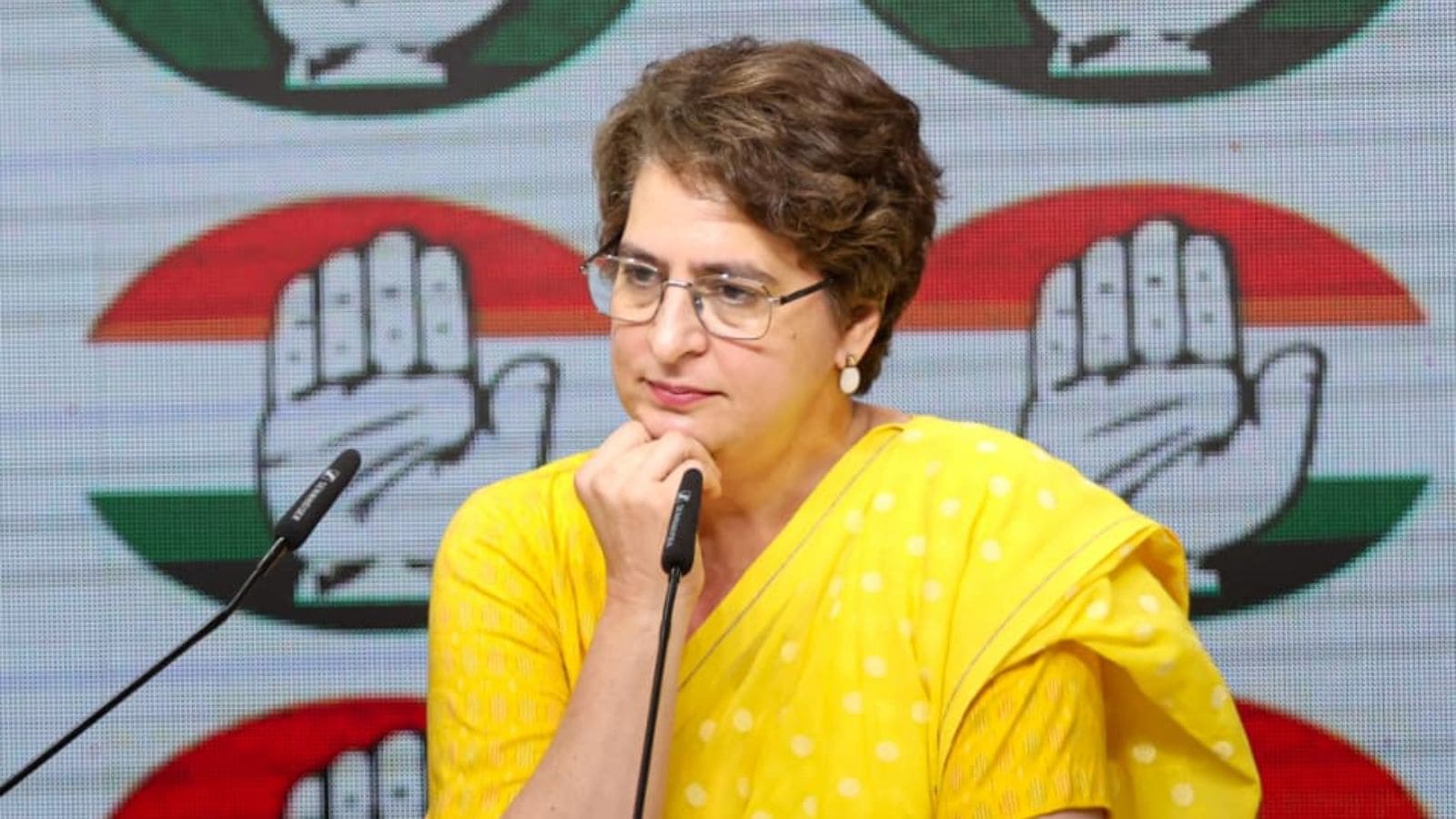
Fireworks over Bill defeat: Priyanka hails 'win for democracy'
India’s Parliament rejected the 131st Constitution Amendment Bill, which linked a women’s reservation of 33% seats and delimitation of electoral boundaries—a rare defeat for Modi’s government that reshapes political calculations ahead.
On April 17, 2026, the Lok Sabha decisively rejected the Constitution (131st Amendment) Bill, 2026, by a vote of 298 in favor to 230 against—well short of the two-thirds majority of 352 needed for constitutional amendments. The proposal sought to reserve one-third of seats for women in the Lok Sabha and state assemblies and to redraw constituency boundaries (delimitation) based on the 2011 Census. This defeat is the first major parliamentary setback for Prime Minister Narendra Modi’s government and exposes deep political fractures over how India’s democracy is structured and represented [The Hindu, Indian Express].
Why this matters: Democracy, delimitation, and political stakes
The bill was a politically ambitious attempt to combine two contentious reforms under one legislative umbrella. Women's reservation has been a long-standing demand by activists and opposition parties, aiming to increase female political representation. On paper, it introduces a progressive twist to India’s male-dominated parliaments. But the government also linked this reform directly to delimitation—a redrawing of electoral boundaries required to reflect population shifts.
Delimitation, however, has a drastically different political impact. Using the 2011 Census data, it threatened to reduce seats for southern, eastern, and northeastern states because they experienced relatively slower population growth compared to the north. This raised alarms for parties like Congress and regional powerhouses such as DMK and Trinamool Congress, which fundamentally altered their support calculation. Critics accused the government of attempting to engineer a voting map favorable to the BJP and its allies, notably benefiting states with fast-growing populations in the north [The Hindu].
The INDIA bloc opposition—a coalition of Congress, Samajwadi Party, DMK, Left parties, and others—united to oppose the bill. Rahul Gandhi and Priyanka Gandhi hailed the defeat as a "win for democracy," emphasizing that reforms of this magnitude require broad consensus rather than being tied to potentially manipulative delimitation measures [Indian Express].
Home Minister Amit Shah defended the bill as a necessary correction for disproportional voter-to-MP ratios and accused the opposition of blocking progress for political gain. Meanwhile, Parliamentary Affairs Minister Kiren Rijiju lamented the missed opportunity to reach a consensus on critical reforms [The Hindu].
The path forward: Census, consensus, and cause for caution
This rejection underscores the constitutional rigor required for amending India's electoral rules. Editorials and analysts point out the importance of waiting for the 2026-27 Census before undertaking any delimitation, to ensure updated population data and fair representation. The bill’s linkage of delimitation to women’s reservation complicated consensus and fueled mistrust.
Going forward, parliamentarians across parties may need to establish comprehensive committees to study delimitation and women’s representation independently, seeking broad-based agreement that respects federal and demographic realities. Delimitation and reservation could be dealt with through separate, transparent processes to avoid political polarization.
For now, the 2023 Women’s Reservation Act remains the operative mechanism for female representation, though its full implementation is still pending. Modi’s government is expected to regroup and potentially reintroduce women’s reservation without delimitation or with a new approach to demographic data once the 2026-27 Census results are published [The Hindu].
What to watch next
- Will Modi’s government decouple women’s reservation from delimitation in future bills?
- How regional parties from the south and northeast leverage this victory in the 2029 general elections.
- The formation and findings of any parliamentary committee on equitable delimitation.
- Modi’s response beyond rhetoric—whether this setback repaints BJP’s electoral strategy in fast-growing states.
This episode is a reminder that in India’s dynamic democracy, major reforms require negotiation across a deeply diverse federation where demographic shifts are inseparable from political power.
For more on India’s evolving democracy and parliamentary politics, visit India Politics and
Global Politics.
Sources
Discover more

India
INDIA Bloc's Delimitation Strategy
The INDIA bloc is using delimitation and women's reservation to challenge the BJP's federalism narrative, setting up a high-stakes fight over representation.
India
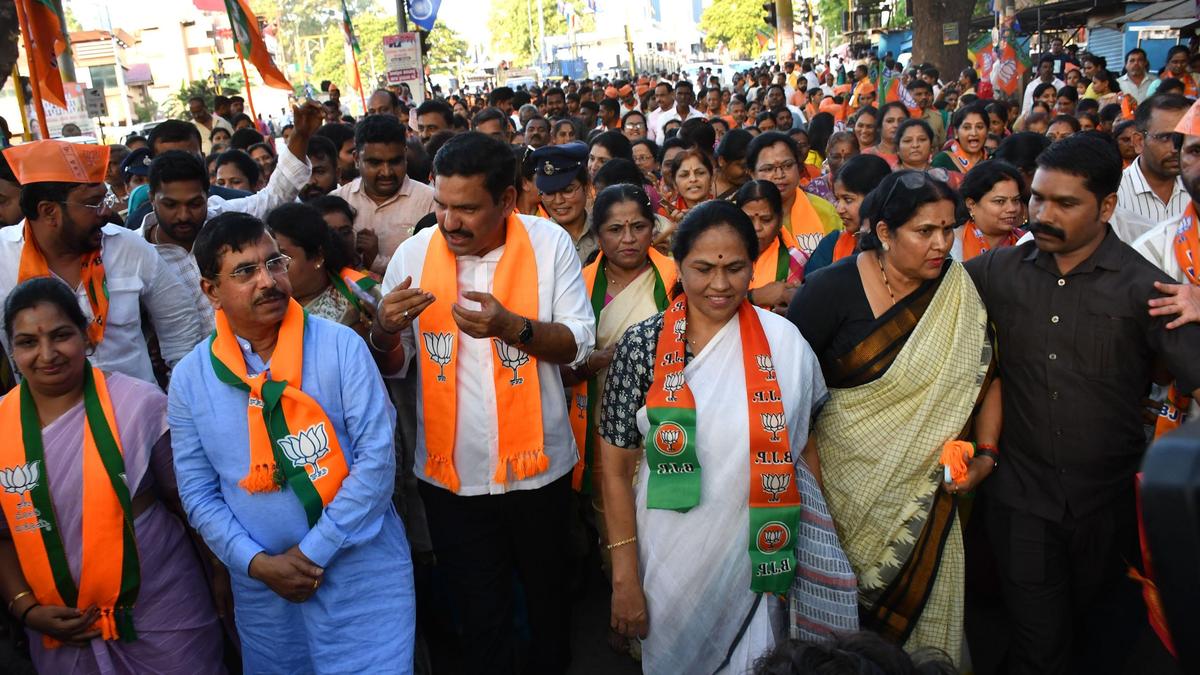
BJP Uses Hubballi Protests for Women's Quota
The BJP is using Hubballi protests to pin blame for delays on women's reservation onto Congress in Karnataka, sharpening its women's quota political offensive.
India
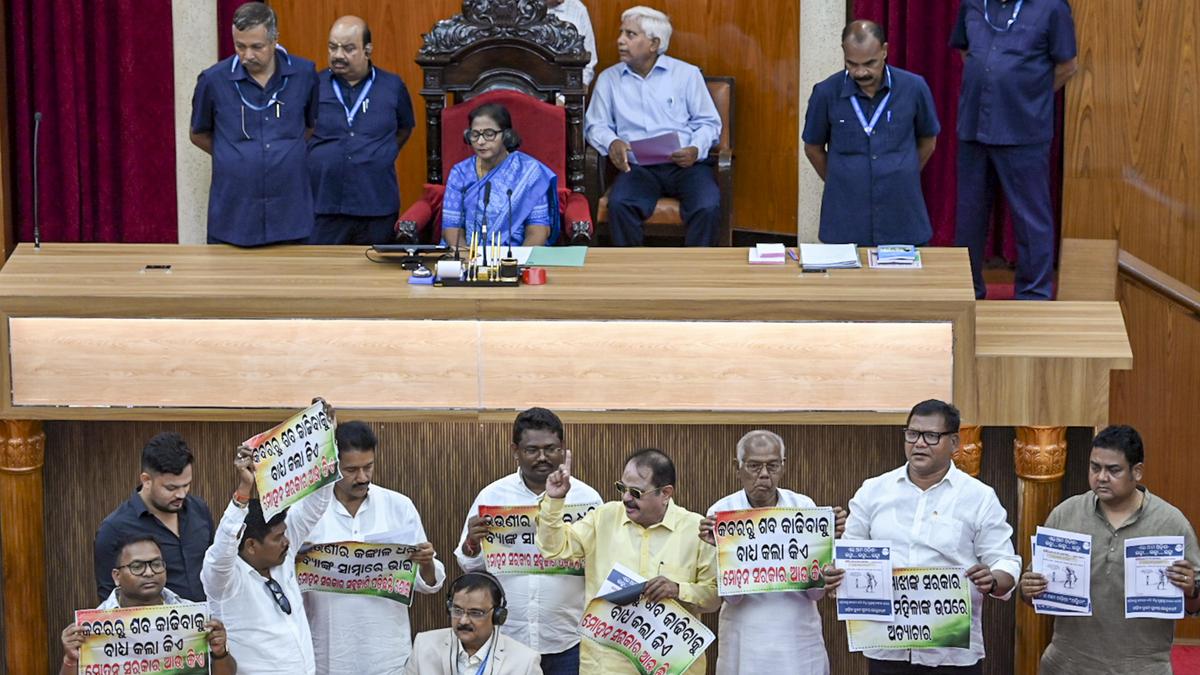
Odisha's Women's Reservation Debate
The fight over women's reservation in Odisha is shaping up as a calculated BJP and BJD strategy aimed squarely at gaining ground before the 2029 elections.
India
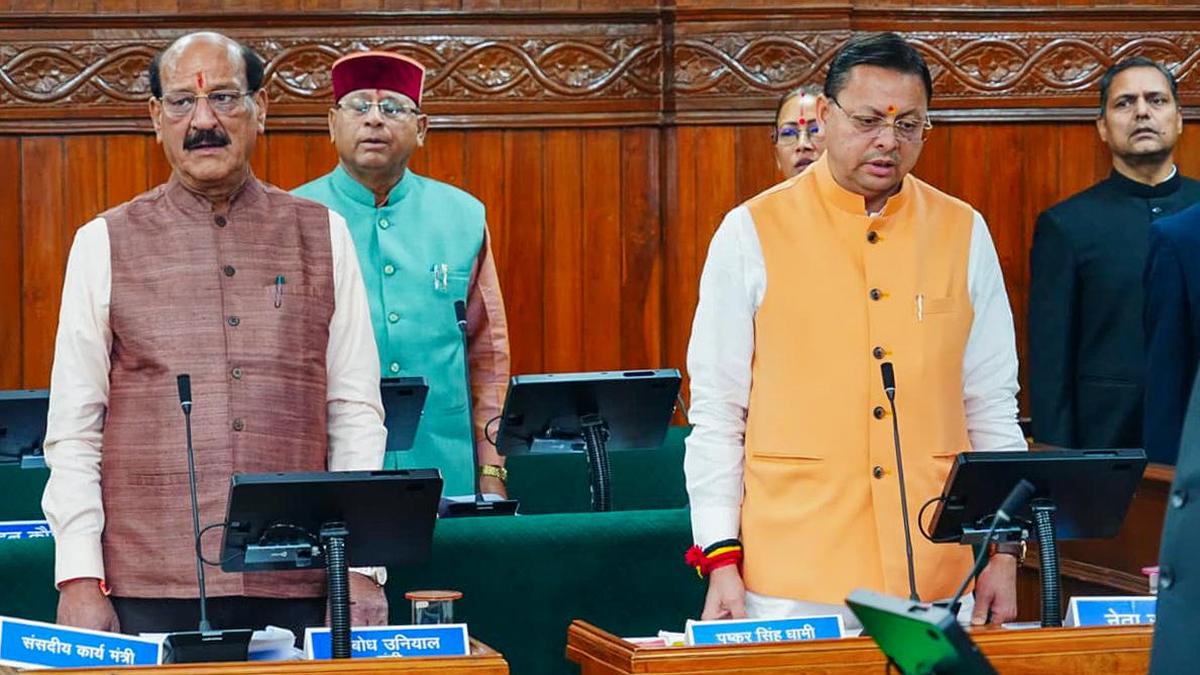
Uttarakhand's Push for Women's Reservation
Uttarakhand CM Dhami's push for women's reservation is a strategic political move that follows national defeat and aims to reclaim momentum for the BJP.