India's Migration Diplomacy
India shifts focus on migration to rights and diplomatic power.
Model Diplomat2 min readAsia

India’s Migration Diplomacy Turns to Rights and Leverage
Kirti Vardhan Singh’s rights-first message signals a harder bargain: India wants protection for workers and more leverage abroad.
India is no longer talking about migration as a welfare issue alone. It is trying to turn labor mobility into diplomatic leverage. Singh’s formulation — migration “grounded in dignity” and rights — fits a broader shift in New Delhi’s posture as India manages one of the world’s largest diasporas, with an estimated 18.5 million citizens abroad in 2024 and record remittances of $129.4 billion. Hindustan Times
The Hindu
The Hindu
Leverage, not just language
The power dynamic is straightforward: destination states need Indian workers, and India needs those jobs to keep remittances, safety, and political goodwill flowing. That is especially true in the Gulf, but it is no longer limited to the Gulf. The UN’s latest migration report says India-to-UAE and India-to-U.S. were among the top 10 migration corridors in 2024, underscoring how Indian labor is now split between low- and semi-skilled Gulf employment and higher-skilled migration to advanced economies. The Hindu
That mix matters. Gulf labor remains vulnerable to recruitment abuse, wage theft, and sudden geopolitical disruption; advanced-economy migration is more lucrative but increasingly exposed to tighter visa rules and anti-immigrant politics. India’s rights language gives it a single umbrella to negotiate across both tracks: safer recruitment, cleaner contracts, and stronger consular protection. For policymakers, this is the practical value of International migration diplomacy — not sentiment, but bargaining power.
Why Delhi is pushing this now
The timing is not accidental. External Affairs Minister S. Jaishankar said last year that the 1983 emigration law was built for “a particular geography in a certain era” and that India was examining a more promotional framework for “legal mobility” while protecting the vulnerable. That is the policy backdrop to Singh’s remarks. The Hindu
The immediate beneficiaries are Indian workers abroad — especially those in lower-wage corridors where recruitment fees and weak enforcement eat into earnings — and the Indian state itself, which depends on remittances as a stabilizer for the external account. The losers are the intermediaries and employers that profit from opacity. Any serious rights-based migration policy cuts directly into that business model.
What to watch next
Watch for three things: whether the government translates this rhetoric into the Overseas Mobility Bill and updated recruitment rules; whether India presses for enforceable protections in bilateral deals with Gulf and Western partners; and whether MEA begins publishing measurable worker-protection outcomes rather than broad declarations. The next real test is not the speech — it is the contract language.
Discover more
India
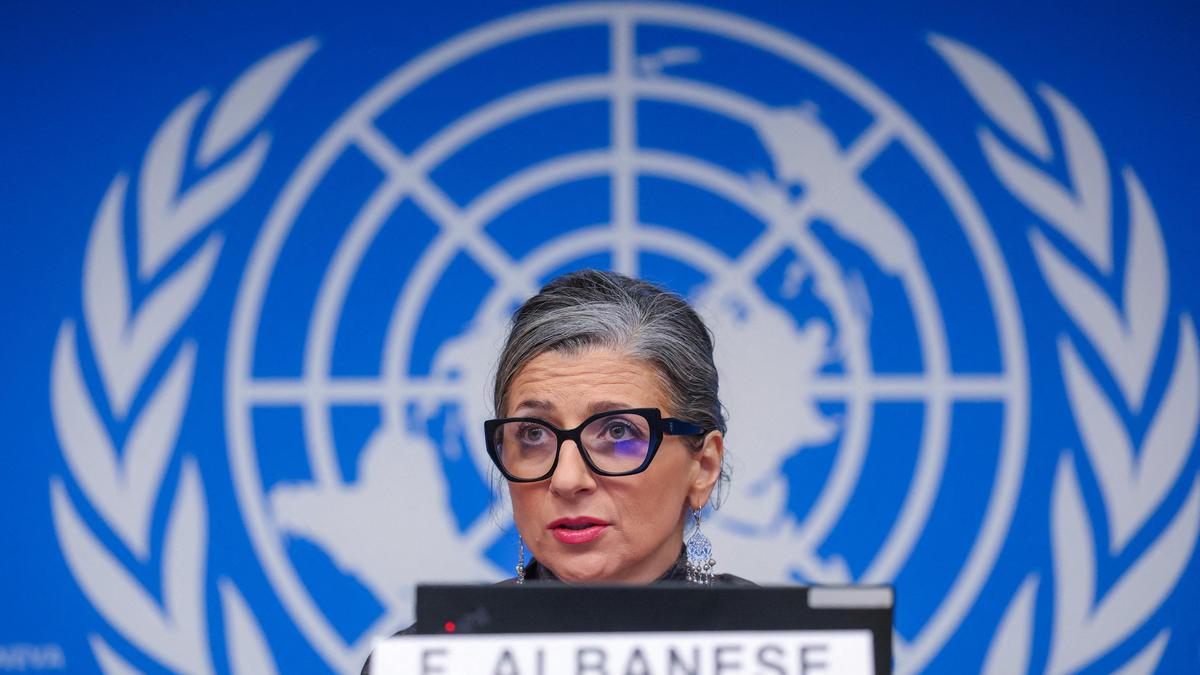
UN Expert Albanese: India Violates Law
UN Rapporteur Francesca Albanese claims India is breaching international law, raising human rights issues in Kashmir and beyond.

India
India-South Korea $50B Trade Expansion Plan
India and South Korea target $50 billion in trade, enhancing economic cooperation amid shifting global dynamics.
India
CPI(M) Calls to Decouple Quota from Delimita
CPI(M) demands the Indian government to separate quota policies from delimitation to enhance representation for marginalized communities.
Global Politics
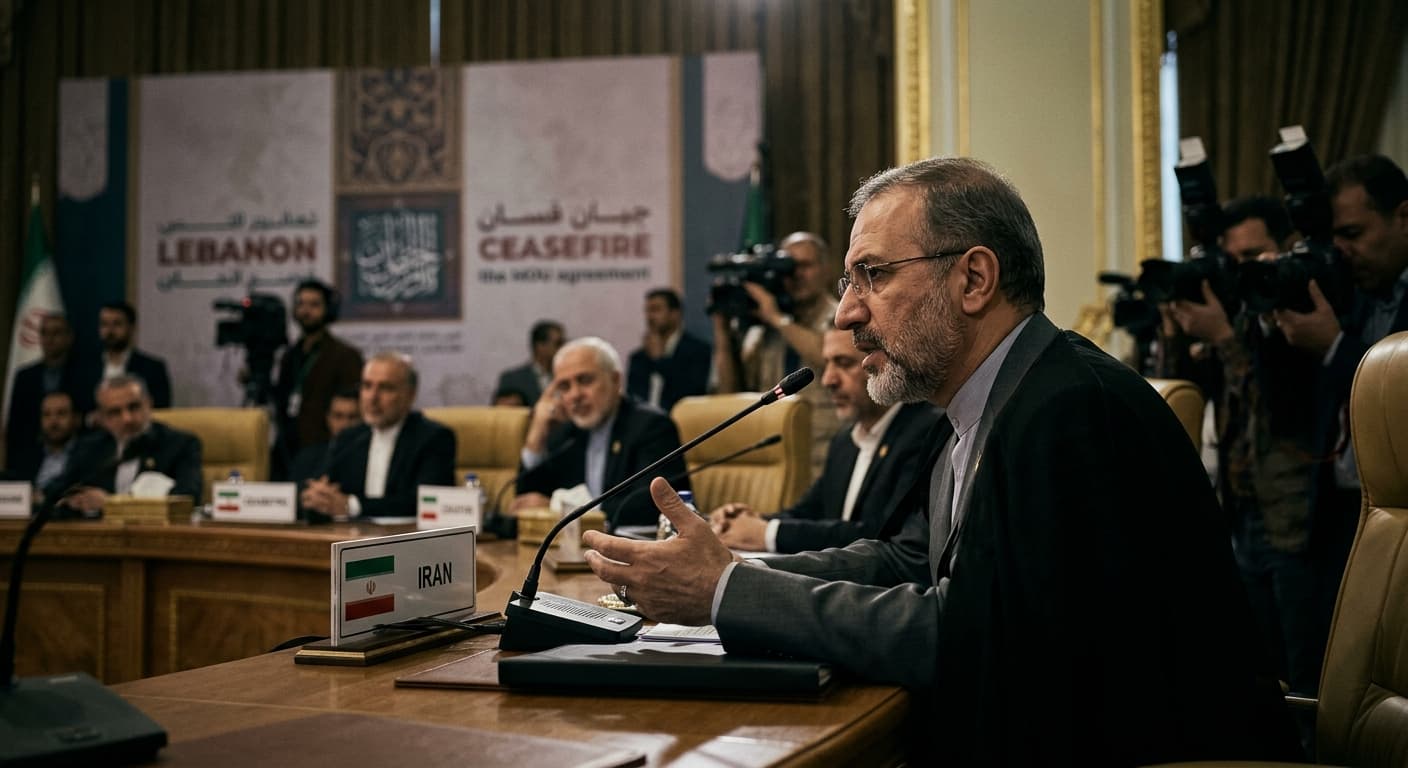
Iran Demands US Enforce Ceasefire
Iran insists the US must enforce a ceasefire in Lebanon to uphold the MoU.