India's IORA Chairship
India reshapes maritime security in the Indian Ocean region.
Model Diplomat3 min readIndian Ocean
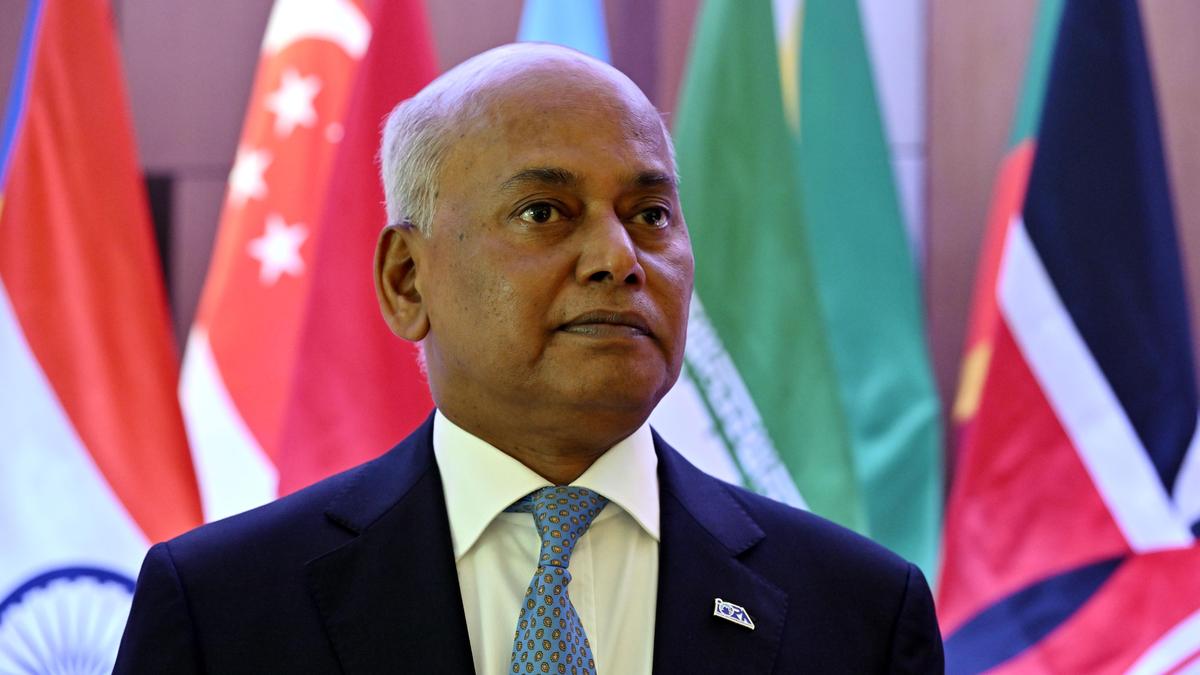
India Uses IORA Chairship to Recast Indian Ocean Security
With Hormuz disruptions rippling through energy and shipping, India is pushing IORA toward practical maritime security — not talk-shop geopolitics.
The Indian Ocean Rim Association is being pulled toward hard security by the war in West Asia, and India is using its chairship to define the agenda. Sanjiv Ranjan, secretary-general of the 23-member grouping, said maritime safety and security are of “primordial importance” because any disruption in the Indian Ocean hits energy, food, tourism and livelihoods across the littoral states, according to The Hindu. That is the leverage point: India holds the chair of IORA through 2027, and it is setting the terms for how the region talks about a crisis that none of its members can ignore.
Security is now the economic issue
The timing matters. At the same Delhi dialogue, officials from India, Mauritius and Yemen sat alongside representatives from Iran and the UAE, even as the Gulf conflict continued to distort trade routes and shipping costs, The Hindu reported. Union shipping minister Sarbananda Sonowal said the Indian Ocean’s vulnerabilities now require “cooperation, transparency and respect for international law” — diplomatic language, but also a signal that India wants IORA to stay functional even when members are on opposite sides of a regional war.
That is also why the secretary-general’s warning lands. Ranjan pointed to higher fuel prices, school closures, fertilizer shortages and fishermen being kept off the water as the kind of second-order damage that follows maritime disruption, The Hindu said. In other words, the Indian Ocean is no longer just a transit space; it is a supply-chain system. For readers tracking
India’s maritime doctrine, this is a cleaner expression of MAHASAGAR than the usual blue-economy rhetoric: security first, because commerce depends on it.
Why IORA is useful to New Delhi
IORA gives India a forum that is broad enough to include Iran and the UAE, but structured to avoid the disputes that paralyze smaller regional bodies. The charter excludes bilateral controversies, which makes the grouping less dramatic than the Quad or SCO but also more workable, The Hindu noted. That suits India. It can lead on shipping security, fisheries, disaster response and the blue economy without being dragged into every political dispute among members.
The wider strategic implication is straightforward: India benefits if IORA becomes the main venue for managing Indian Ocean shocks, because that reinforces its claim to be the region’s convening power. Smaller littoral states benefit too — especially Mauritius, Seychelles and island economies that are more exposed to shipping disruptions and inflation. The losers are any actors who prefer the Indian Ocean remain a collection of separate bilateral lanes rather than a coordinated security space.
The pressure is not going away. A Reuters report said the Strait of Hormuz remained closed amid the wider Iran conflict, choking off around a fifth of global oil and gas supplies and driving energy prices higher, Reuters reported via The Hindu. That makes the next IORA meetings more than procedural. India hosts senior officials in June, foreign ministers later this year, and is aiming for a leaders’ summit in 2027. The test is whether New Delhi can turn this security panic into a durable agenda before the region’s shipping problems become its permanent politics.
Discover more

India
India-South Korea $50B Trade Expansion Plan
India and South Korea target $50 billion in bilateral trade by 2030, focusing on industrial cooperation and strategic alignment amid US pressures.

Global Politics
US Seizes Iranian Ship, Tensions Surge
The US seizure of the Iranian ship Touska highlights a shift in control over the Strait of Hormuz, favoring Iran's strategic position.
Conflict & Security
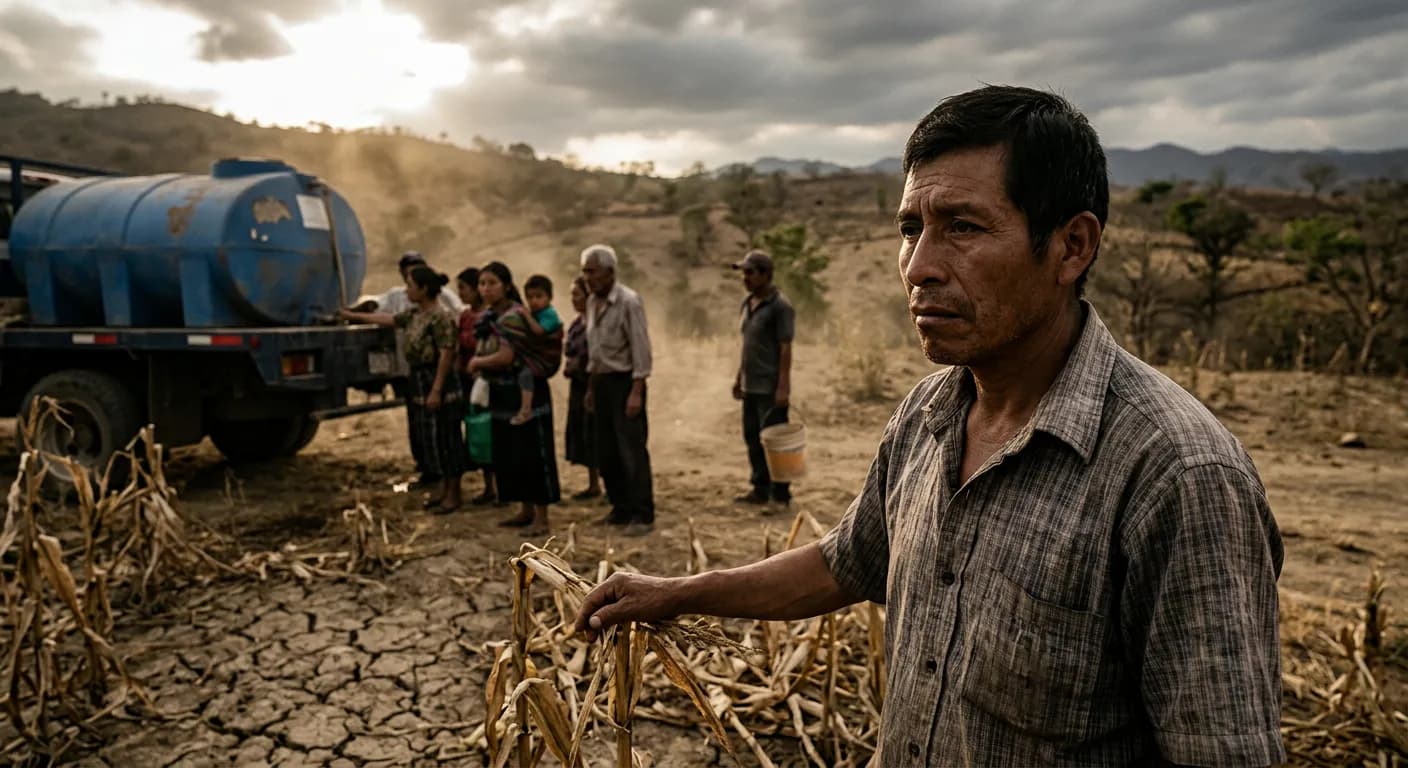
Guatemala: El Niño 2026–27 becomes regional security test
UNICEF: 25.8M children face El Niño risks in Latin America; Guatemala maps 188 municipalities for drought and food insecurity amid regional security test.

Economics
Fed's stress-test overhaul is a capital-smoothing exercise
Federal Reserve finalized stress-test overhaul: two-year averaging for bank capital buffers and public input, expected to halve volatility.