India's Delimitation Plan
Modi's move reshapes political power dynamics in India
Model Diplomat3 min readAsia

India's Delimitation Gambit: BJP Expands the House, But South Still Loses Leverage
Modi's plan to grow Lok Sabha from 543 to 816 seats offers southern states more MPs — while locking in their shrinking share of national power.
BJP's proposed delimitation, tabled in Parliament this April, is structurally clever: expand the Lok Sabha by 50%, reserve one-third of seats for women, and declare that no state "loses" seats. On April 16, Prime Minister Modi and Home Minister Amit Shah stood in Parliament to promise southern states their absolute numbers would rise — Tamil Nadu from 39 to 59, Kerala from 20 to 30, Karnataka from 28 to 42. BJP's Anurag Thakur added that the South's combined share would tick up from 23.76% to 23.90%. The framing is generous. The arithmetic is less so.
The Real Transfer of Power
The five southern states — Tamil Nadu, Kerala, Karnataka, Andhra Pradesh, Telangana — control their current seat count precisely because a 1976 freeze prevented population growth from translating directly into parliamentary weight. Hindi-belt states, which drove India's demographic expansion over the past four decades, have been constitutionally held back from claiming proportional dominance.
The new formula, anchored to the 2011 Census, breaks that freeze. Even with a 50% expansion of the House, the north-south ratio shifts. Southern states collectively move from roughly 129 to 195 seats — but northern states absorb the larger absolute gains from population weight. The Hindu's analysis notes that Congress is demanding delimitation use the forthcoming fresh census rather than 2011 data, precisely because 2011 figures lock in a demographic snapshot that disadvantages states that have since grown economically but not numerically.
DMK's M.K. Stalin has gone furthest in opposition, calling the exercise an "assault on federalism" and threatening protests. Telangana's chief minister has floated a hybrid model blending population with economic contribution — a proposal that implicitly argues southern states, which contribute disproportionately to GST and GDP, deserve representation weight beyond headcount. It hasn't gained traction in New Delhi.
Who Benefits
BJP consolidates structural advantage in two ways. First, the women's reservation implementation is tied to delimitation — meaning it cannot proceed without the redrawing, giving the party control of timing on a politically popular reform. Second, a 816-seat House dilutes opposition coordination: more constituencies, more money required, more organisational spread demanded across India's fragmented opposition.
The Congress-DMK-CPI(M) bloc is caught between resisting a process they cannot ultimately stop and shaping its terms. Outright rejection of delimitation risks being framed as opposing women's reservation — a gift to BJP messaging ahead of state elections.
What to Watch
Three pressure points now determine the trajectory:
- Census timing. If the government moves forward on 2011 data before fresh census results are published, southern states lose the one technical argument that can reframe the seat math.
- Rajya Sabha arithmetic. Constitutional amendments require a two-thirds majority plus ratification by half the state legislatures. Southern state legislatures could become veto points — watch for Tamil Nadu and Kerala assembly resolutions in May.
- The 50% formula's fine print. The Delimitation Commission's terms of reference, not yet published in full, will determine whether economic or human development indices factor in alongside raw population. That document, when it emerges, is the real policy text.
The BJP has reframed a zero-sum federal fight as a win-win expansion. Whether southern states accept that framing — or build a constitutional coalition against it — is the defining Indian political question of the next six months.
Discover more
India
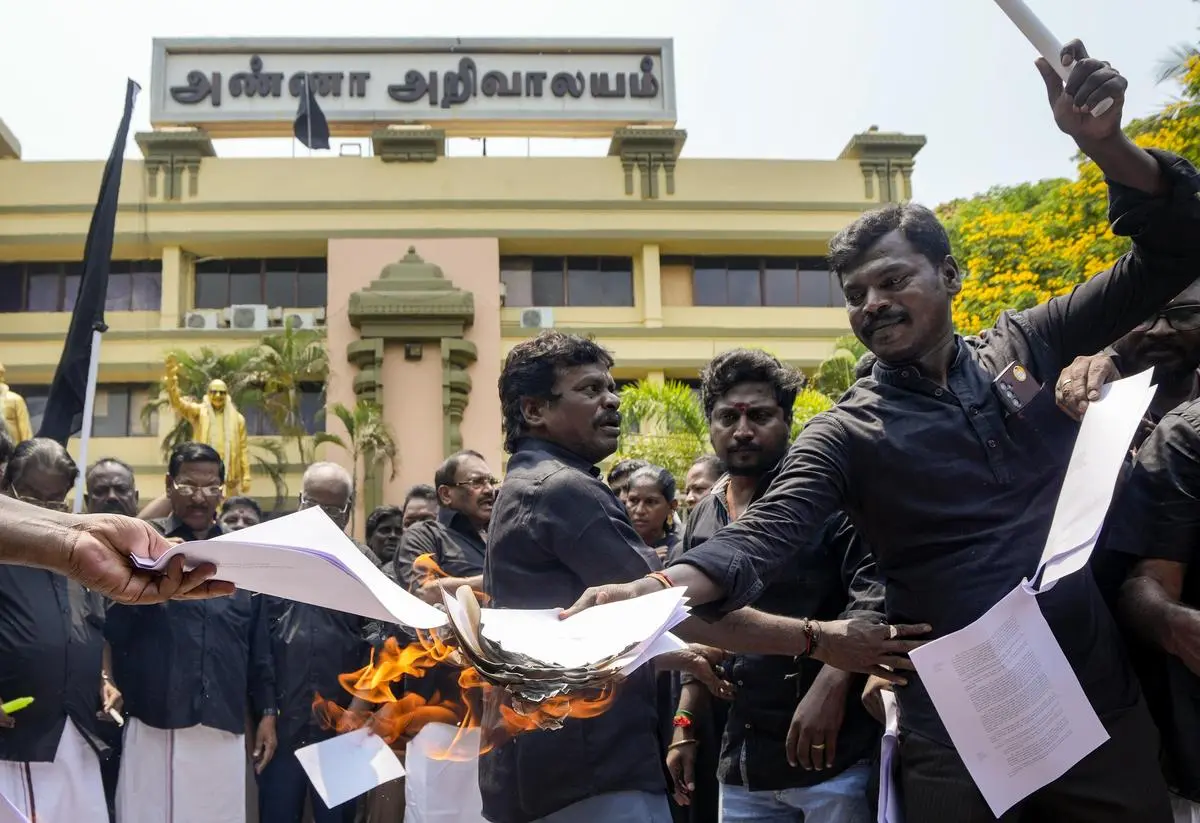
Women’s Reservation Bill 2026
The Constitution (131st Amendment) Bill, 2026 was defeated in Lok Sabha, revealing deeper political conflicts over women's reservation and delimitation.
India
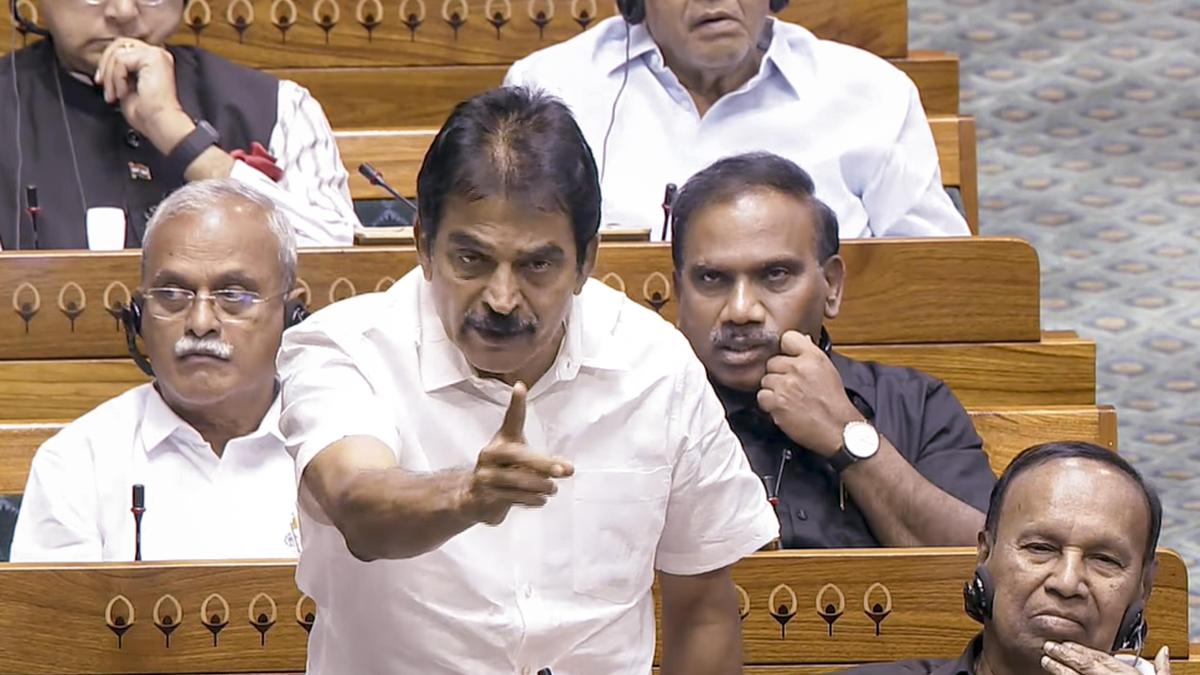
BJP's Delimitation Strategy
Congress leader K.C. Venugopal claims the BJP uses women's reservation to advance delimitation, raising fears over electoral fairness ahead of the 2029 polls.
India
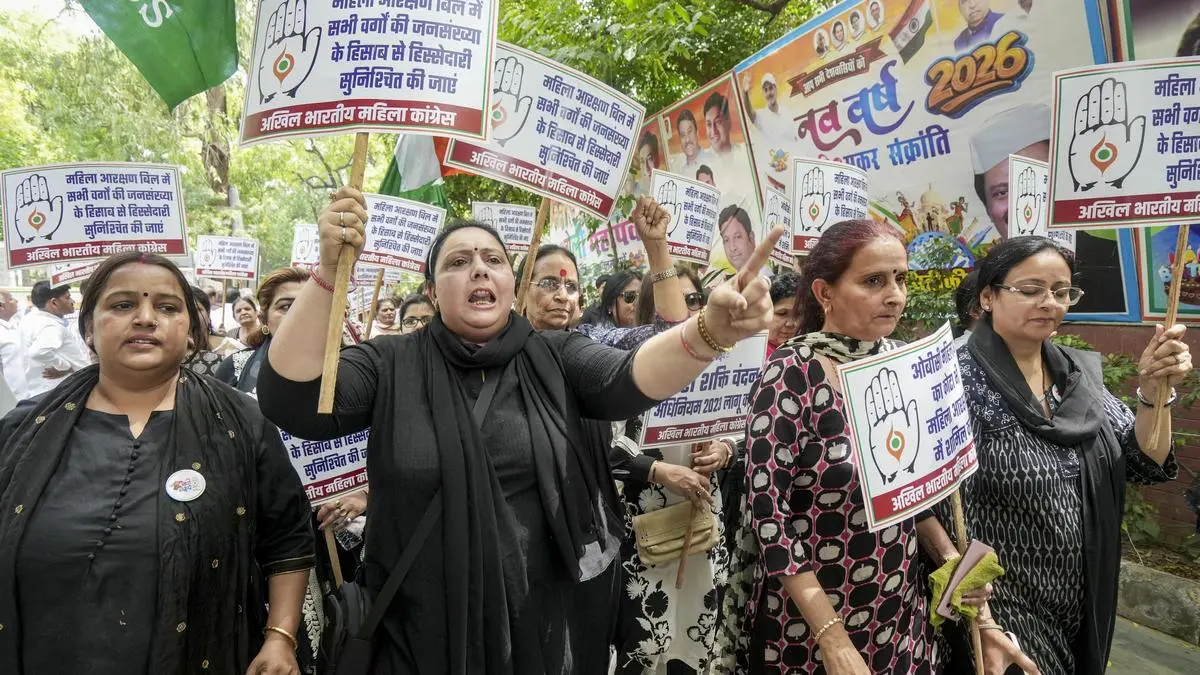
BJP's Misunderstanding of Women's Quota Needs
The BJP's linking of the Women Reservation Bill to delimitation risks delaying women's empowerment in India, misreading the aspirations of female voters.

Conflict & Security
Drone Warfare Killing Aid Workers at Unprec
Over 1,000 humanitarian workers killed in three years as cheap armed drones collapse legal protections. Gaza, Sudan, Ukraine, and DRC see deliberate targeting of aid convoys and hospitals with zero prosecutions.