India's Constitution
Exploring recent coverage of India's Constitution and its implications.
Model Diplomat2 min readAsia

India’s Constitution in the News: What Recent Coverage Means for Its Future
The latest Hindustan Times coverage tracking developments around the Constitution of India highlights key debates shaping India’s democratic fabric in real time.
India’s Constitution is arguably the world’s longest written constitution and the backbone of the world’s largest democracy. When it headlines news cycles—as it has in recent weeks through coverage by the Hindustan Times—it signals significant political, social, and legal currents that merit close attention.
Why the Constitution of India Matters Today
The Constitution isn’t just a legal document; it’s the lens through which 1.4 billion Indians negotiate identity, rights, and governance. From fundamental rights to federal arrangements, the Constitution shapes how power is distributed and contested in India. Recent news cycles have spotlighted constitutional issues including amendments, Supreme Court interpretations, and debates about citizenship laws—all hot-button topics with deep implications.
For example, amendments that tweak the balance of federal power or citizenship criteria often ignite widespread political mobilization and judicial scrutiny. Rich real-time coverage—via a hub like the Hindustan Times’ topic page dedicated to the Constitution—offers not only updates but a curated view into how the Constitution interacts with everyday governance and society.
The Broader Context: Constitutional Debates Are India’s Public Forum
India’s political culture treats the Constitution as a living document, tested and interpreted in the courts and in public discourse. The prominence of constitutional coverage reflects ongoing tensions: between reformers and traditionalists, between central and state governments, and between majority rule and minority rights. This dynamic was visible in the deeply polarizing debates over the Citizenship Amendment Act (CAA) and the National Register of Citizens (NRC), where constitutional principles like equality and secularism were front and center.
This year’s updates could be tracking new legal challenges, fresh legislative proposals, or landmark court rulings that clarify or redefine constitutional contours. Each development is a data point in India’s constitutional evolution and political trajectory.
What to Watch Next
To understand the stakes, focus on how key constitutional issues develop in three arenas:
-
Judiciary: The Supreme Court’s rulings often set binding precedents that shape the Constitution’s practical impact. Upcoming or recent judgments on constitutional petitions merit scrutiny.
-
Legislature: Amendments and debates in Parliament reveal political calculations and priorities, especially regarding controversial or sweeping changes.
-
Public Reaction: Protests, media debates, and civil society actions over constitutional issues highlight how different groups perceive and engage with India’s democratic framework.
The Hindustan Times’ real-time updates provide a valuable portal into this ongoing constitutional story, reflecting not only legal shifts but the pulse of Indian democracy. For deeper understanding, see our India profile and the broader
global politics context in which India’s constitutional issues resonate.
Sources:
Discover more
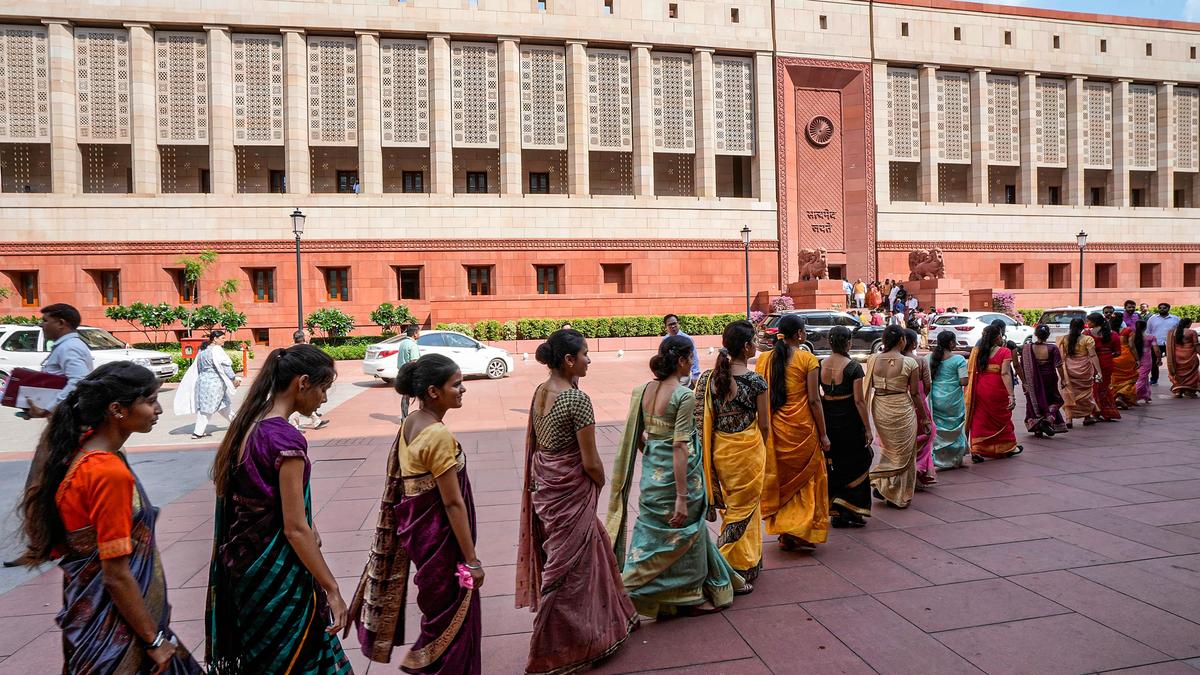
India
Activists Push for Women's Quota in India
Activists demand immediate implementation of women's reservation in India's Parliament, criticizing government delays tied to pending delimitation plans.

Conflict & Security
Drone Warfare Killing Aid Workers at Unprec
Over 1,000 humanitarian workers killed in three years as cheap armed drones collapse legal protections. Gaza, Sudan, Ukraine, and DRC see deliberate targeting of aid convoys and hospitals with zero prosecutions.

Global
World Normalises Taliban as Afghan Women Eras
UN data shows Afghan women erased from public life as Russia recognises the Taliban, EU hosts officials in Brussels, and ICC warrants for gender persecution go unenforced.
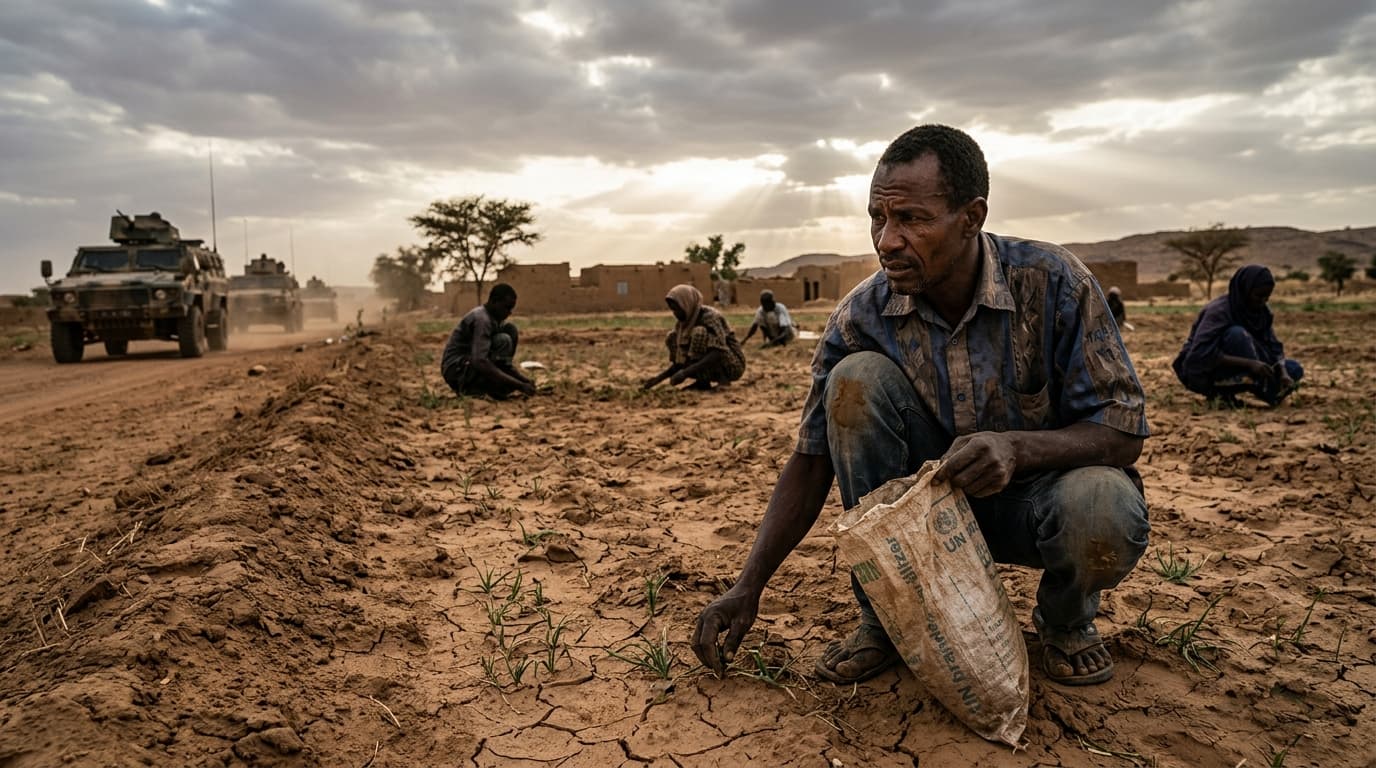
Conflict & Security
West Africa Food Crisis: Three Shocks in 2026
Conflict, climate extremes, and the Strait of Hormuz closure drive a severe food crisis in West and Central Africa, with fertilizer prices surging 80% and millions displaced.