India's 131st Constitution Amendment Bill
Exploring the implications of India's delimitation process restart
Model Diplomat3 min readIndia
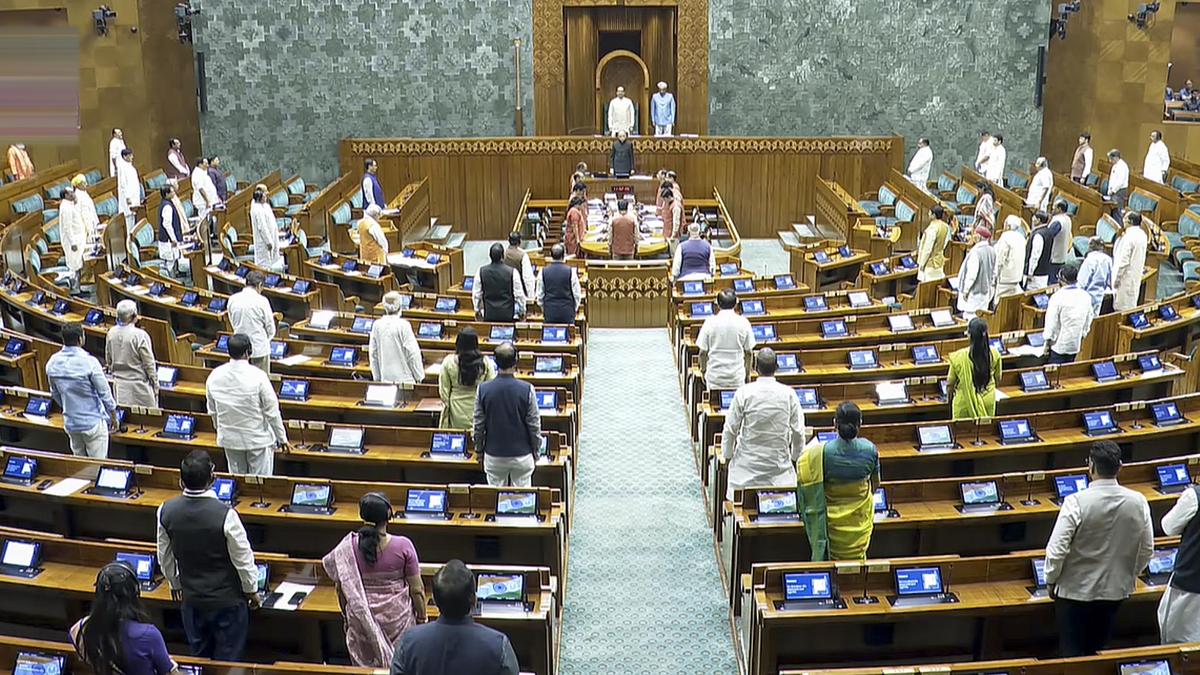
Constitution Amendment Bill Proposes Fresh Delimitation in India: What’s at Stake?
India’s 131st Constitution Amendment Bill seeks to restart the delimitation of parliamentary and assembly seats, ending a 50-year freeze and potentially reshaping political power balances.
India's Union Cabinet cleared the Constitution Amendment Bill (131st) in April 2026, aiming to restart the delimitation process which has been on hold since 1976. The current freeze was instituted to maintain the number of Lok Sabha and State Assembly seats based on the 1971 Census population figures, shielding states from losing representation due to demographic shifts. This amendment signals a major potential change: the rebalancing of seat allocation according to the latest population data, alongside adjusting the total number of State Assemblies seats themselves through a newly constituted Delimitation Commission.
Why Delimitation Matters After Five Decades
Delimitation—the redrawing of electoral boundaries and redistribution of parliamentary seats—is fundamental to the representative democracy of India. The freeze in 1976 arose from political consensus to incentivize family planning policies in less populous states without penalizing them with reduced political clout. Though pragmatic then, this has frozen political power distribution in a country whose population landscape has changed dramatically.
States like Uttar Pradesh, Bihar, and West Bengal, with rapidly growing populations, have since arguably been underrepresented, while states with slower growth or effective family planning retain larger shares of parliamentary seats than current demographics justify. Restarting delimitation means reconciling this disparity, but not without political upheaval.
Adjusting the size of State Legislative Assemblies further complicates matters: states could see their legislative houses grow or shrink in direct proportion to population shifts. This will affect not just electoral calculations but also governance priorities and state-center relations.
Political Stakes and Regional Implications
This move benefits populous states that have long demanded greater representation reflecting their demographic weight. For instance, Uttar Pradesh, home to 20% of India's population, could gain more Lok Sabha seats and assembly members, bolstering its federal influence. Conversely, smaller states or those that sharply controlled population growth—like Kerala or Tamil Nadu—may lose seats, sparking regional dissent.
Moreover, the political parties that dominate in states gaining seats stand to benefit the most. The bill, therefore, is likely to intensify sectional contests and debates over fairness and identity politics. The issue dovetails with broader federal dynamics, potentially recalibrating the center-state power balance in favor of larger states.
What to Watch Next
The formation of the Delimitation Commission will be closely observed. Its composition, timeline, and methodology in redrawing boundaries will determine the extent of seat adjustments. The process is expected to be politically charged, with legal challenges and negotiations inevitable.
Also, how political parties mobilize around delimitation outcomes—especially ahead of the 2029 general elections—will indicate how these structural changes reshape electoral coalitions and governance.
In sum, the 131st Amendment Bill marks a rare and significant reset in India’s democratic architecture, addressing long-standing demographic realities but also inviting political contestation. It underscores an evolving federal landscape where population shifts demand new political settlements.
For more on India's evolving political framework, see our India profile.
Constitution Amendment Bill proposes fresh delimitation, possible change in size of State Assemblies
Discover more
India
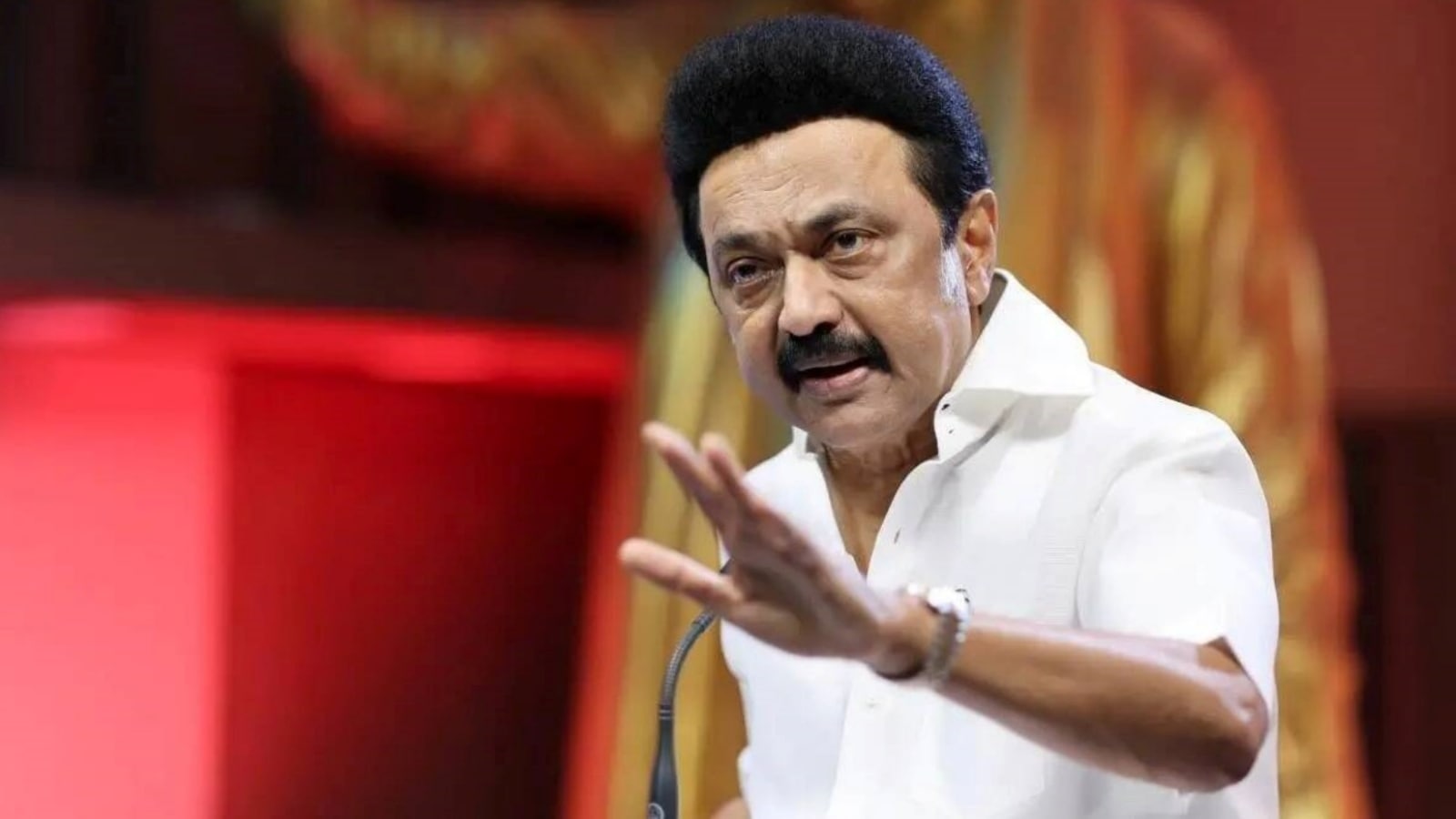
India's Delimitation Debate
India's delimitation plan stokes federal tensions as leaders warn it threatens fair representation and constitutional norms ahead of upcoming elections.

Conflict & Security
Drone Warfare Killing Aid Workers at Unprec
Over 1,000 humanitarian workers killed in three years as cheap armed drones collapse legal protections. Gaza, Sudan, Ukraine, and DRC see deliberate targeting of aid convoys and hospitals with zero prosecutions.
Global
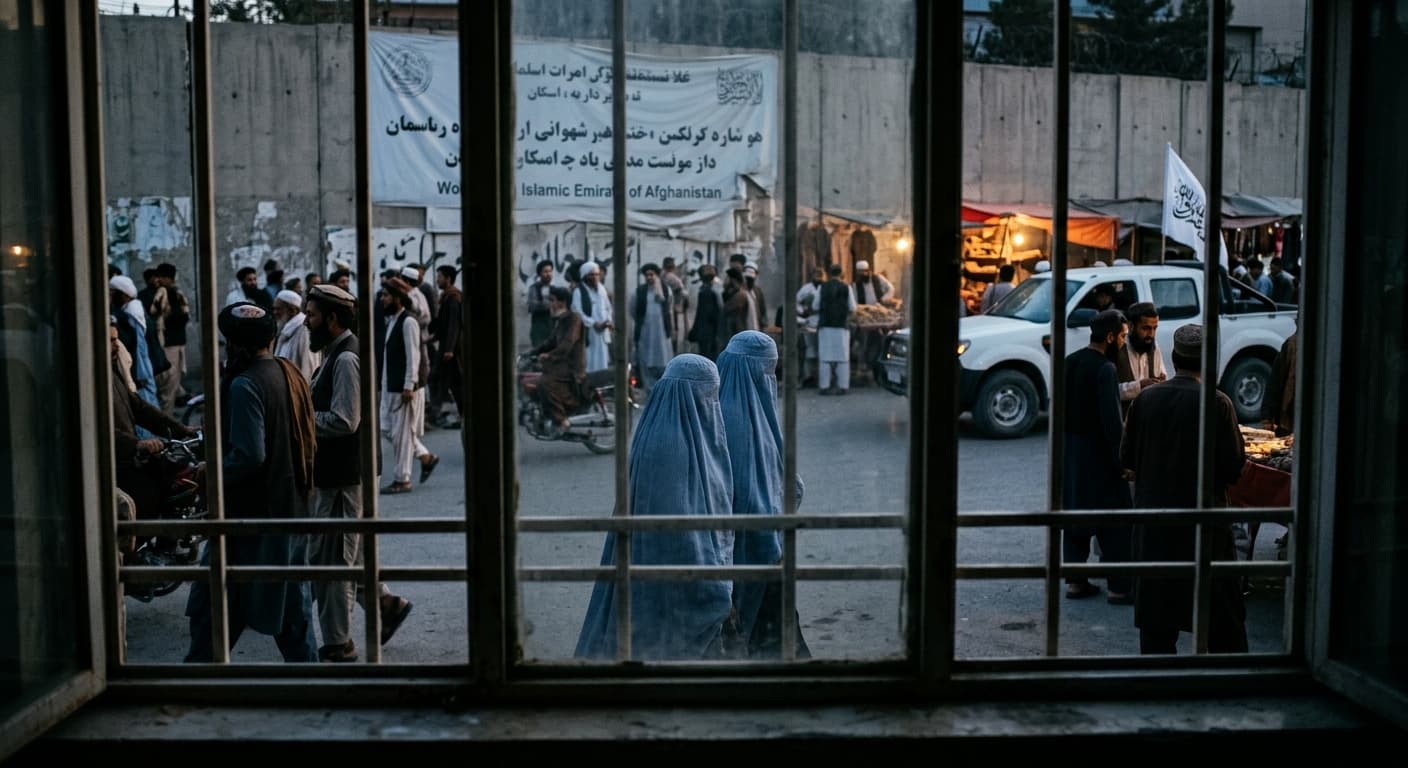
World Normalises Taliban as Afghan Women Eras
UN data shows Afghan women erased from public life as Russia recognises the Taliban, EU hosts officials in Brussels, and ICC warrants for gender persecution go unenforced.
Conflict & Security
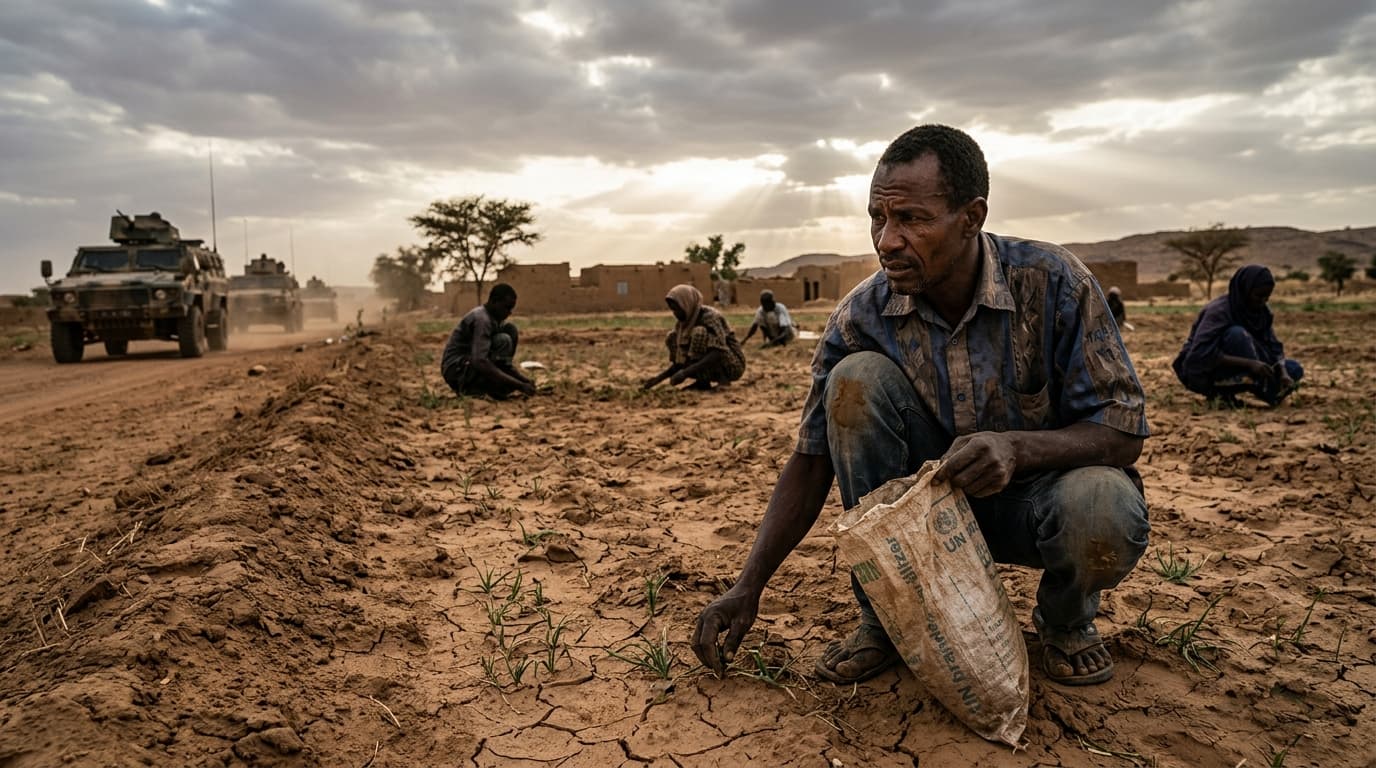
West Africa Food Crisis: Three Shocks in 2026
Conflict, climate extremes, and the Strait of Hormuz closure drive a severe food crisis in West and Central Africa, with fertilizer prices surging 80% and millions displaced.