India's 131st Amendment Defeated
Modi's women's reservation bill collapses, revealing deeper issues.
Model Diplomat3 min readIndia
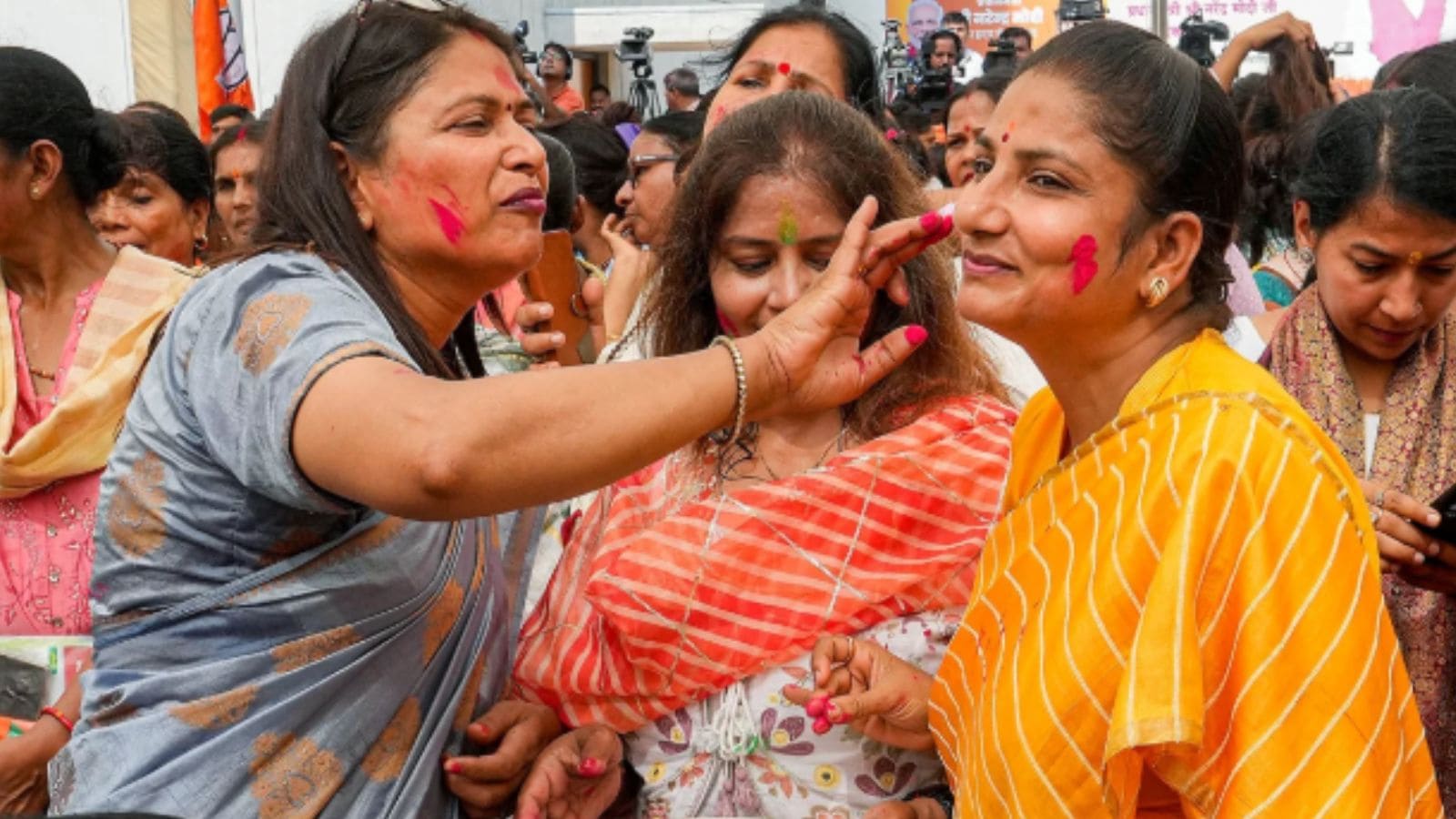
India's 131st Amendment Defeated: Delimitation Was Always the Real Prize
Modi's women's reservation push collapsed in the Lok Sabha on April 18, taking a delimitation overhaul with it — and exposing how much the BJP was gambling on the package deal.
The Constitution (131st Amendment) Bill, 2026 failed to clear its two-thirds threshold in a April 16–18 special session, drawing 298 votes in favour against 230 against — well short of the ~352 required. The BJP immediately withdrew two companion bills: the Delimitation Bill, 2026 and the Union Territories Laws (Amendment) Bill. The simultaneity of those withdrawals tells you everything. The government had packaged them together and refused to let any piece survive alone.
The Bundling Strategy — And Why It Failed
The 131st Amendment was formally about fast-tracking the Nari Shakti Vandan Adhiniyam — the 2023 law that already mandates 33% reservation for women in the Lok Sabha and state assemblies but has sat dormant, tethered to a census and delimitation exercise that kept effective implementation off until roughly 2034. The new bill would have delinked the quota from the upcoming census and based constituency redrawing on 2011 census data, targeting implementation by the 2029 elections.
Attached to that was the more consequential ask: a 50% expansion of all legislative seats — Lok Sabha from 543 to 816, state assemblies from 4,123 to 6,186. On its face, that solves the arithmetic: new seats absorb the women's quota, so no current male incumbent loses a constituency. In practice, a population-based seat expansion using 2011 data redistributes power northward — rewarding Hindi-heartland states that grew faster and penalising southern states that hit demographic targets decades ago.
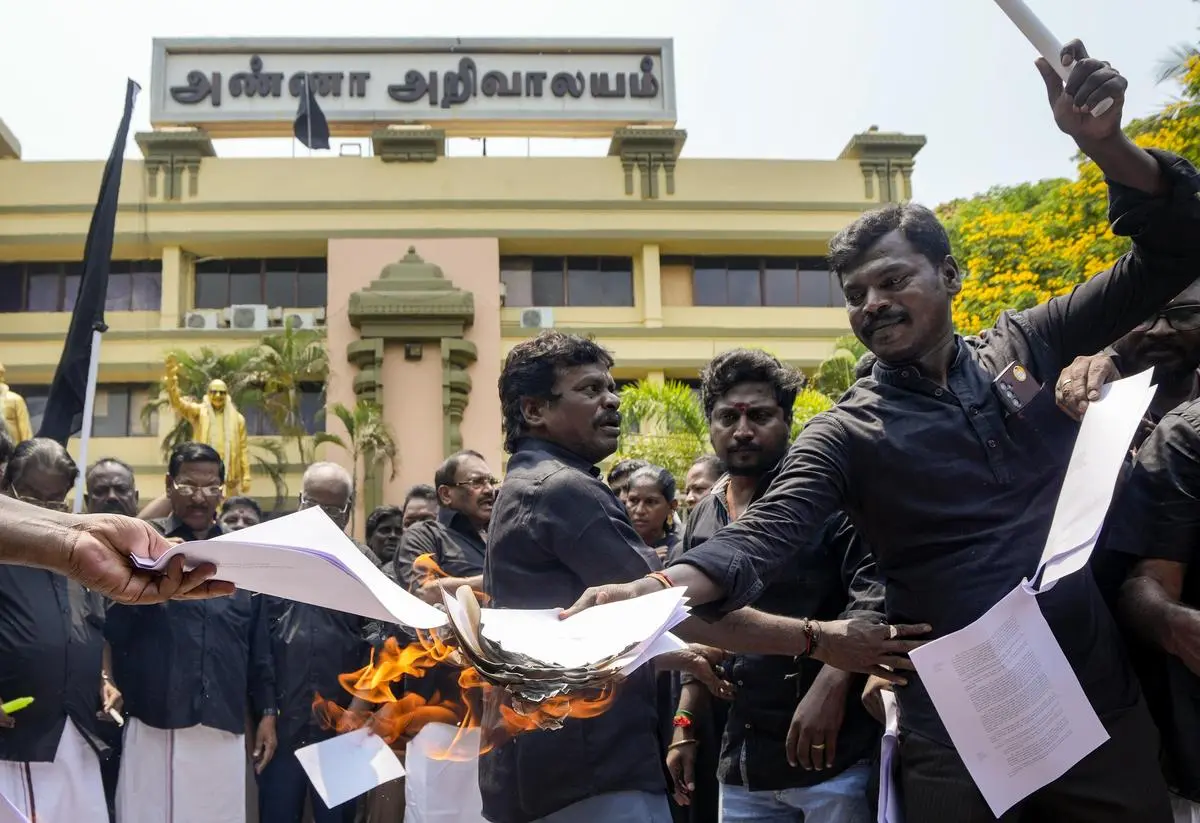
DMK's M.K. Stalin and Abhishek Banerjee of the TMC framed the defeat explicitly as a victory for federalism, not a setback for women. They were right to. Tamil Nadu, Kerala, Andhra Pradesh, and Telangana all stand to lose relative seat share in any population-proportionate redistribution — making opposition to this bill a straightforward act of regional self-preservation, regardless of the gender-empowerment framing layered on top.
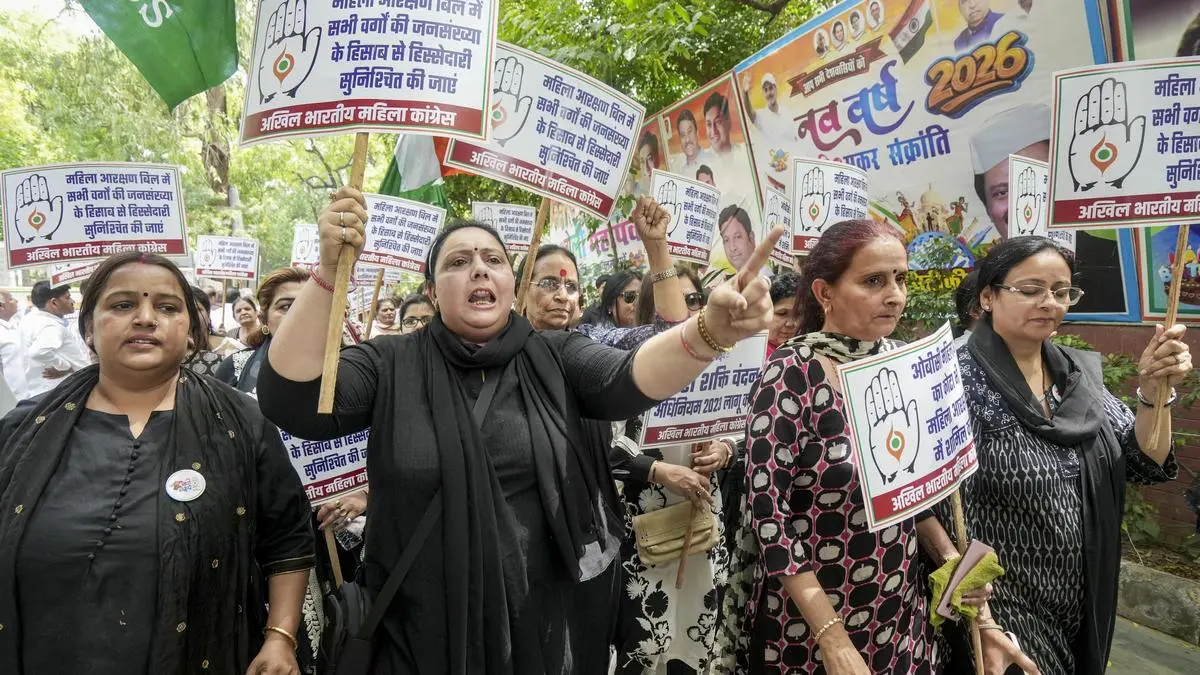
Congress's Rahul Gandhi cut to the core: the government was "hiding behind women" to redraw India's electoral map. Congress had supported the original 2023 act. What it refused to sanction was using women's reservation as a delivery mechanism for a delimitation exercise that concentrates parliamentary seats — and BJP's electoral advantage — in its strongest base.
What the Special Session Revealed
Over 260 academics, retired civil servants, and former diplomats condemned the government for drafting all three bills in secrecy and calling a special session without releasing draft texts for public consultation, per Frontline. The procedural opacity reinforced the opposition's core argument: this was headline management, not constitutional reform.
The bill's defeat does not kill women's reservation — the 2023 law remains on the books. What it kills, for now, is the BJP's preferred timeline and, more critically, its seat-expansion strategy. The 33% quota can be implemented within the current 543-seat House; the government simply chose not to propose that path.
What to Watch
Three pressure points now define the next move. First, the 2025 Census, now underway with house-listing scheduled for 2026–27, will eventually trigger the delimitation process the BJP couldn't force through legislatively — watch for the government to revisit this after 2029 results clarify its seat math. Second, southern state governments — particularly Tamil Nadu and Kerala — will push for a constitutional guarantee on their current seat floors before any delimitation proceeds, potentially as an INDIA bloc demand heading into the next cycle. Third, whether the BJP attempts to decouple women's reservation from delimitation before 2029 to neutralise it as an opposition attack line is the question Indian political analysts will be tracking through the monsoon session of Parliament.
The 131st Amendment failed because the government overplayed its hand. The underlying power contest over India's electoral map hasn't moved an inch.
Discover more
India
Women’s Reservation Bill 2026
The Constitution (131st Amendment) Bill, 2026 was defeated in Lok Sabha, revealing deeper political conflicts over women's reservation and delimitation.
India
BJP's Misunderstanding of Women's Quota Needs
The BJP's linking of the Women Reservation Bill to delimitation risks delaying women's empowerment in India, misreading the aspirations of female voters.

Conflict & Security
Drone Warfare Killing Aid Workers at Unprec
Over 1,000 humanitarian workers killed in three years as cheap armed drones collapse legal protections. Gaza, Sudan, Ukraine, and DRC see deliberate targeting of aid convoys and hospitals with zero prosecutions.

Global
World Normalises Taliban as Afghan Women Eras
UN data shows Afghan women erased from public life as Russia recognises the Taliban, EU hosts officials in Brussels, and ICC warrants for gender persecution go unenforced.