Indiana Primary
Trump's redistricting push shapes Indiana's Republican primary
Model Diplomat3 min readIndiana

Indiana Primary Will Test Trump’s Grip on GOP After Redistricting Push
Indiana’s Republican primary becomes a litmus test for Donald Trump’s influence in the GOP amid his aggressive intervention in the state’s congressional map.
Indiana’s Republican primary, scheduled for May 5, 2026, is more than just a routine electoral test — it's shaping up as a critical moment for Donald Trump’s leadership over the GOP’s grassroots and establishment. Trump’s call for redrawing Indiana’s congressional districts in a way that benefits his political allies has thrust the Midwest state into the spotlight. The outcome will reveal whether Trump’s political sway remains intact or if cracks in his monolithic control are becoming more visible.
Trump’s Redistricting Play and the Stakes in Indiana
Last month, Trump publicly urged Republican lawmakers in Indiana to redraw the state’s congressional map. His goal: consolidate power by securing districts favorable to candidates who back him while weakening those who don’t. This move echoes the broader 2020s GOP strategy of partisan gerrymandering to entrench influence—yet it carries a unique twist here, given Indiana’s relatively modest size and its mix of suburban, rural, and industrial-legacy constituencies.
A Washington Post profile puts a human face on the uncertainty Trump’s intervention has sparked. Julie Wise, a longtime Republican and self-described Trump supporter in Indiana, embodies the conflicted voter base in play. While she shares many conservative priorities aligned with Trump’s base, she is hesitant about the aggressive redistricting and what it signals about the party’s future direction. This ambivalence is critical because it highlights a growing nuance among Republican voters who once followed Trump unconditionally but now weigh his influence against local interests and democratic norms Washington Post.
Why Indiana Matters to the GOP Power Balance
Indiana’s primary is not just a localized battle; it stands as a microcosm for the Republican Party nationwide as Trump enters a crucial cycle ahead of the 2028 presidential election. Indiana has historically been a reliable GOP state but isn’t immune to demographic shifts and political fragmentation, such as suburban swings and blue-collar Republicans questioning Trump’s direction.
Trump’s push in Indiana is strategic: by installing loyalists in Congress through redistricting, he hopes to secure a bloc that can control the party apparatus and mute dissent. But the move risks alienating moderates and independents, potentially exposing vulnerabilities as Democrats seek to reclaim ground in the Midwest. This dynamic recalls the Republican Civil War of the 2010s, when Tea Party insurgents challenged establishment figures, reshaping the party’s identity.
For the GOP, the Indiana primary will reveal if Trump can still unite the party’s fractious elements or if his dominance is eroding. The presence of voters like Julie Wise suggests some in the Republican base are re-evaluating their allegiance—a warning sign for Trump’s long-term hegemony.
What to Watch Next: Beyond Indiana
As results roll in on May 5, political watchers will scrutinize turnout patterns, margins of victory in key primaries, and any signs of resistance to Trump-backed candidates. A decisive win by Trump’s favorites would reinforce his control and possibly embolden similar interventions in other states. On the other hand, strong showings by candidates opposing Trump’s map could signal a pushback that reshapes GOP strategy heading into 2028.
The national implications extend beyond Indiana. If Trump’s attempt to weaponize redistricting falters here, other Republican leaders might hesitate to follow suit—potentially fracturing a party that has been increasingly centralized around Trump’s persona and agenda. Conversely, a consolidation of power in Indiana could accelerate the transformation of the GOP into a Trump-aligned national machine, sidelining traditional conservatives and moderates.
Indiana’s primary is a fast-evolving barometer of the Republican Party’s internal battles and Trump's enduring influence. Observers with a stake in U.S. politics — from the grassroots level to Washington power corridors — should watch closely.
For more on the evolving Republican dynamics and U.S. political strategies, see our U.S. Politics and
Global Politics pages.
Source: Washington Post, April 18, 2026
Discover more
Conflict & Security
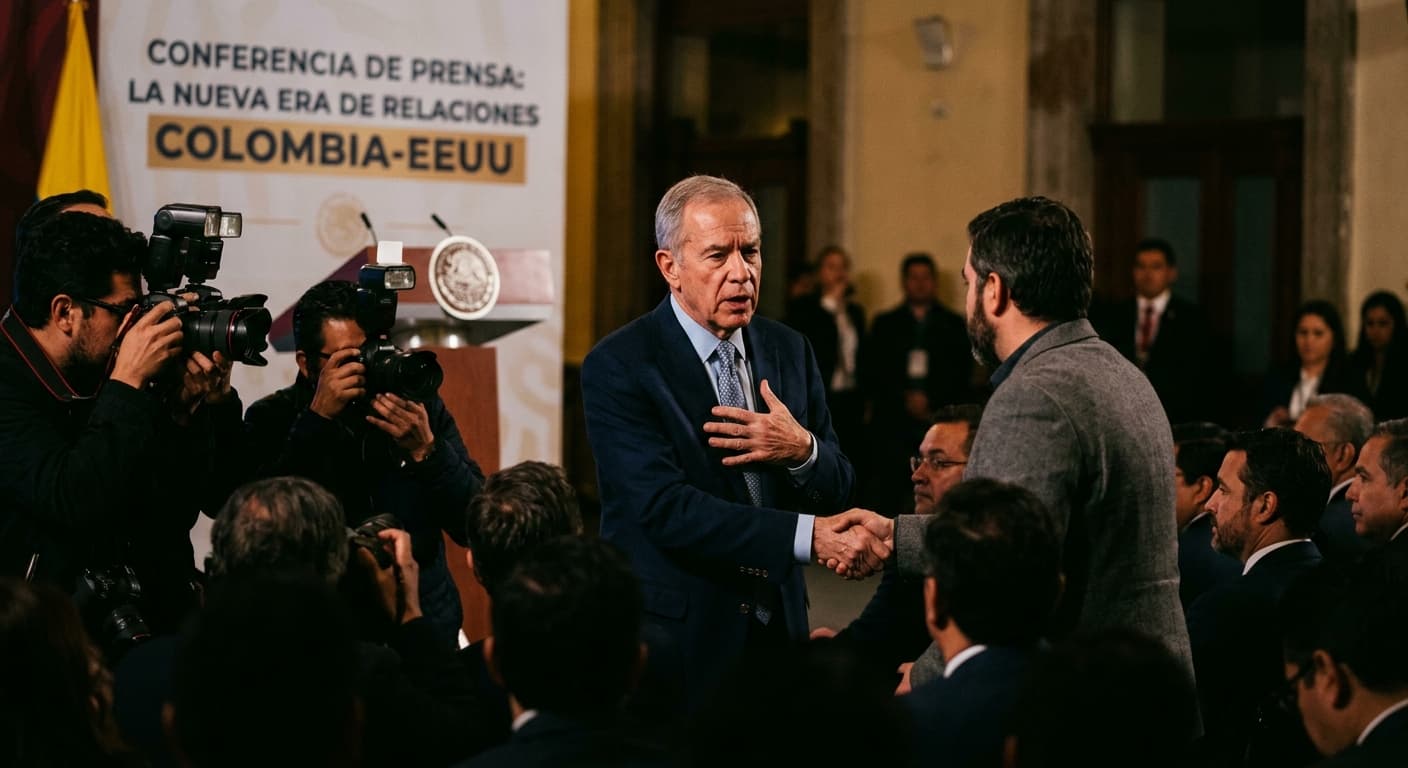
De la Espriella's Razor Win Resets US-Colomb
De la Espriella's razor-thin election win signals a reset in US-Colombia relations, reshaping security ties and the agenda under a Trump-aligned approach.
International Relations
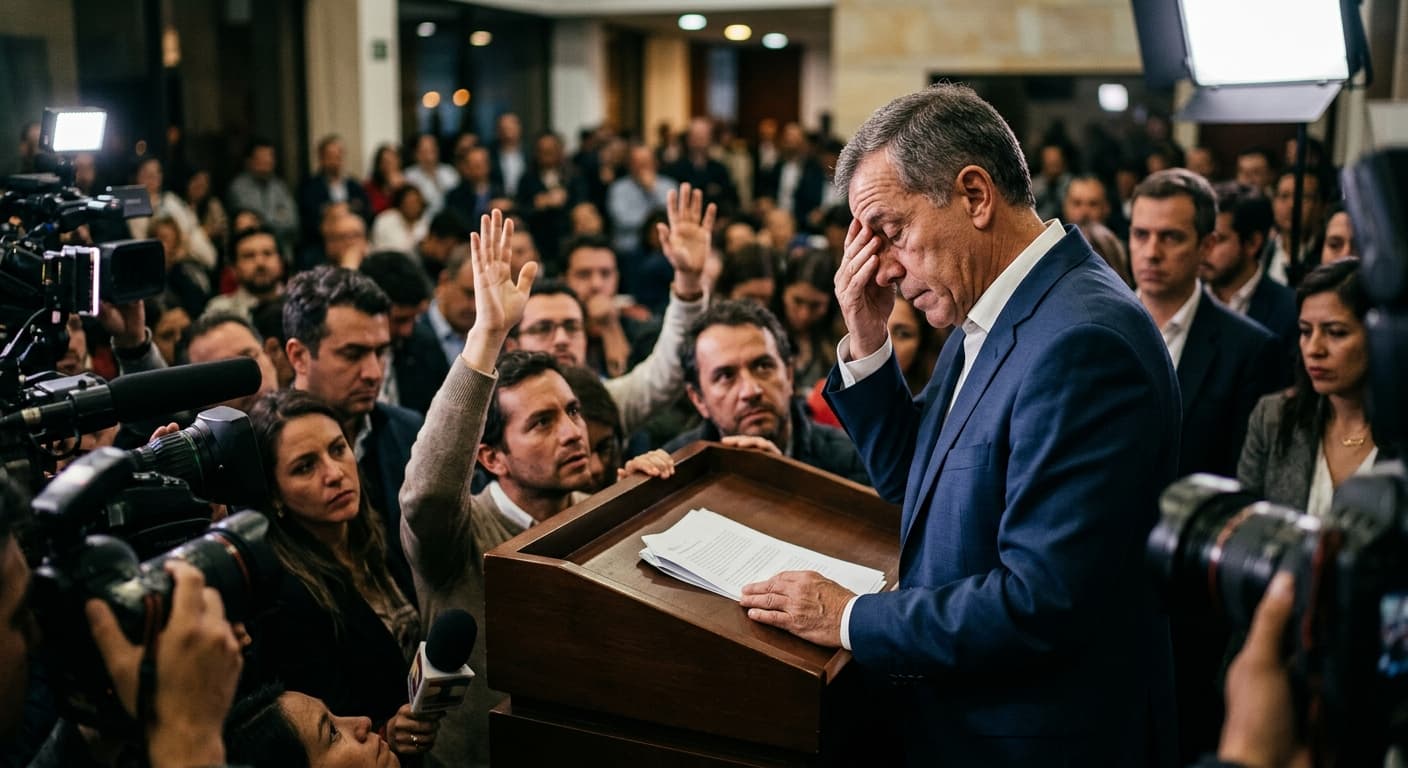
Colombia's Razor-Thin Rightward Pivot
Colombia swings right as Abelardo de la Espriella narrowly wins the presidential runoff by under one percent, exposing a deeply divided and polarized nation.
Global Politics
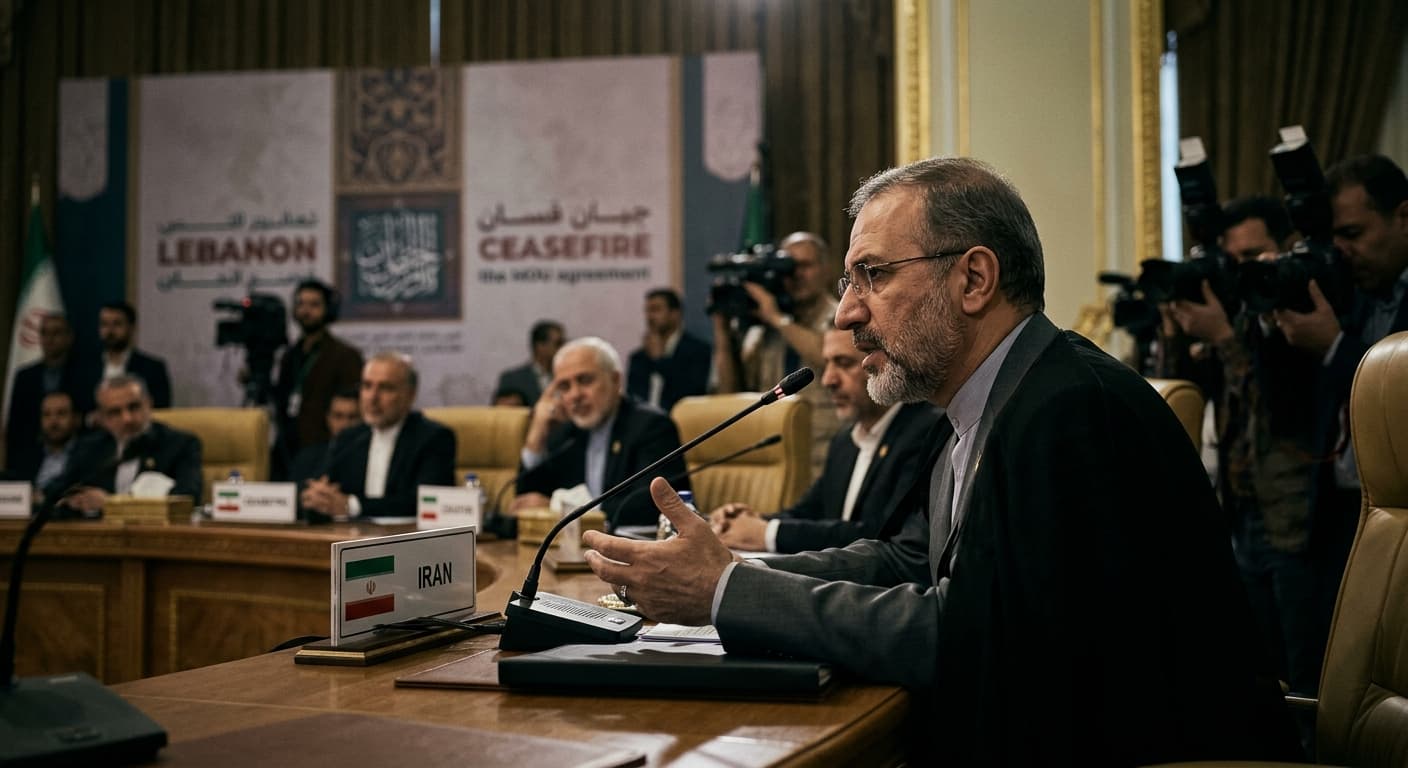
Iran Demands US Enforce Ceasefire
Iran insists the United States must enforce a ceasefire in Lebanon to uphold the memorandum of understanding, raising pressure on Washington and Netanyahu.

Conflict & Security
Trump's Iran Deal Faces Bipartisan Backlash
Trump's Iran deal draws fierce criticism from both Republicans and Democrats, exposing deep political divides over the ceasefire and the terms of the agreement.