India Bans Bilateral Sports with Pakistan
New policy restricts India-Pakistan sports but allows global events.
Model Diplomat2 min readAsia
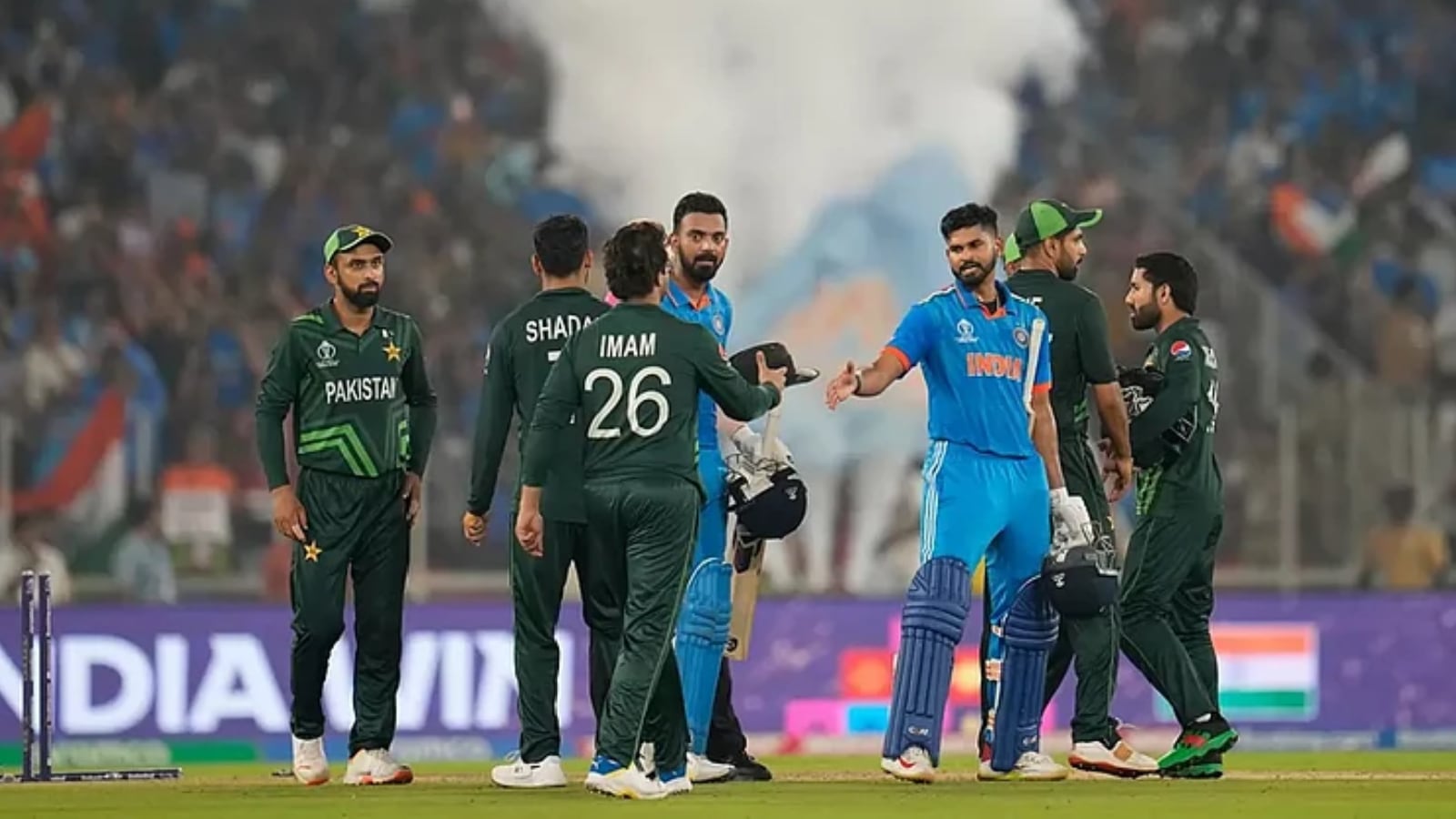
India Shuts Pakistan Bilaterals, Keeps Events Open
New sports policy hardens the line on Pakistan in bilateral contests, but protects India’s Olympic and hosting ambitions by welcoming multinational events.
India has drawn a clean line: no bilateral sporting ties with Pakistan, but no bar on Pakistan entering India for continental or global tournaments. That is the practical message of the government’s new policy, as reported by The Indian Express and reinforced in follow-up reporting by
Sportstar.
The leverage is political, not sporting
New Delhi is using sport as a controlled channel of state power. Bilaterals with Pakistan remain politically toxic after the Pahalgam attack and the wider India-Pakistan security rupture, so the government is not taking the domestic risk of normalisation. But it is also refusing to let that stance damage India’s bigger prize: hosting rights and influence in global sport. The policy explicitly aligns with the Olympic Charter’s non-discrimination rules and India’s bid to present itself as a credible host for future mega-events, including the 2030 Commonwealth Games and the 2036 Olympics, according to
Sportstar and
The Hindu.
That is the core power dynamic: the government wants domestic political control without paying an international sporting price.
Who benefits, who loses
The main beneficiary is the Indian state, which gets to project firmness on Pakistan while keeping the door open for events that matter to the IOC, international federations, and future host bids. That also helps the Sports Ministry and the Indian Olympic Association, which need clean compliance signals if India wants serious consideration for major events. The policy’s visa simplification for athletes, officials, and federation office-bearers is part of the same pitch: India wants to look easy to do business with, not just powerful, The Hindu.
The losers are bilateral sporting bodies, especially cricket administrators and hockey officials, who lose flexibility to rebuild channels on their own terms. Pakistan also loses any chance of using bilateral sport as a soft-power bridge. For Indian athletes, the upside is narrower: they keep access to multilateral competition, including events that feature Pakistan, but remain blocked from any direct India-Pakistan series outside those formats, Sportstar.
What to watch next
The next test is compliance, not rhetoric. Watch whether India actually smooths visas and protocol for Pakistan-linked events later this year, and whether international federations treat this policy as enough to keep India in the running for marquee bids. The more important date is any 2030 Commonwealth Games or 2036 Olympics decision cycle: that is where this policy will be judged.
Discover more

India
India-South Korea $50B Trade Expansion Plan
India and South Korea target $50 billion in bilateral trade by 2030, focusing on industrial cooperation and strategic alignment amid US pressures.
India
UN Expert Albanese: India Violates Law
UN Rapporteur Francesca Albanese accuses India of breaching international law, spotlighting human rights concerns in Kashmir and prompting diplomatic pushback.

International Relations
Pakistan's Key Role in US-Israel-Iran Meddle
Pakistan is seeking to mediate the US-Israel-Iran conflict, balancing high-stakes diplomacy against severe economic pressures and steep regional challenges.

Conflict & Security
Drone Warfare Killing Aid Workers at Unprec
Over 1,000 humanitarian workers killed in three years as cheap armed drones collapse legal protections. Gaza, Sudan, Ukraine, and DRC see deliberate targeting of aid convoys and hospitals with zero prosecutions.