India, Canada Reset Ties With Trade Talks
Goyal’s visit signals a new economic partnership.
Model Diplomat3 min readNorth America
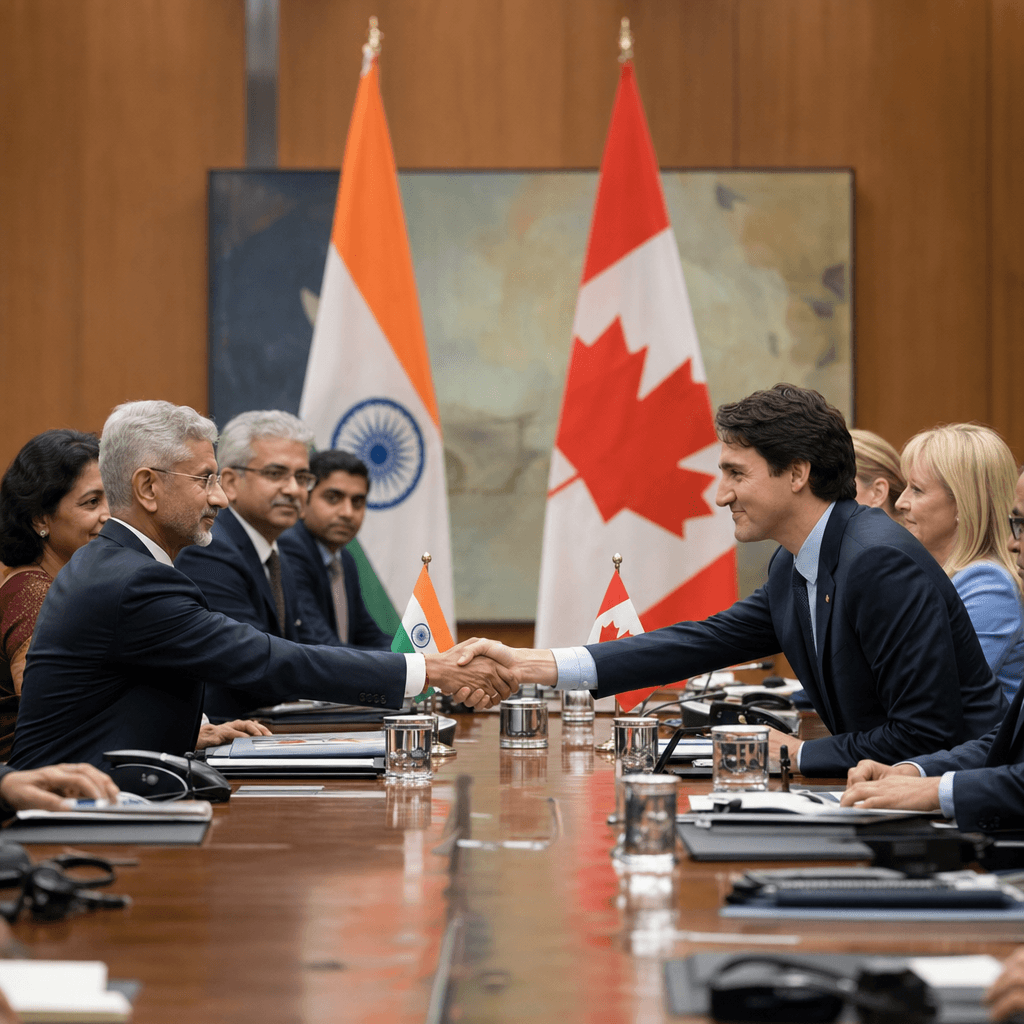
India, Canada Reset Ties With Trade Talks and New Leverage
Goyal’s Ottawa trip shows both sides trading market access for strategic reset, with CEPA and energy deals now doing the heavy lifting.
India and Canada are back at the table because each side now has something the other wants: Ottawa wants a fast-growing market as it diversifies away from the U.S., while New Delhi wants capital, uranium, critical minerals and a cleaner political runway after two years of rupture, Reuters reported. Commerce Minister Piyush Goyal met Prime Minister Mark Carney in Ottawa on Monday and said the two governments are pushing a comprehensive economic partnership agreement, while Carney called the prospective deal a “game changer” for Canadian workers and firms,
The Indian Express. The politics are not fixed; the economics are doing the work.
Why this matters now
This is not a normal trade update. India and Canada froze much of their economic conversation after the 2023 diplomatic breakdown over allegations tied to Sikh separatist activity in Canada, a dispute that sent relations into a tailspin and stalled trade talks, BBC reported. The Carney government is trying to reset the relationship on narrower, transactional terms: trade, investment and energy. India is happy to meet that test because it gets leverage without having to settle the security file first.
The timing also suits both capitals. Canada is still the only G7 country without a preferential trade deal with India, giving Carney urgency to show results, BBC noted. India, meanwhile, is broadening its commercial options after tariff shocks from Washington and wants partners that can help insulate supply chains. That is why the agenda in Ottawa and Toronto runs through
India core sectors: energy, agri-food, technology and education,
Reuters reported.
What each side is buying
For Canada, the prize is access. Carney wants a deal that opens a massive export market and draws more Indian investment into Canada’s resource and pension-heavy economy, Reuters reported. For India, the prize is supply security and industrial capacity. Goyal has already signaled that energy and critical minerals sit near the center of the talks, and he told reporters India expects a broader trade pact by year-end,
The Indian Express.
The March reset mattered because it created the political cover for this round of bargaining. Carney’s visit to India in March produced a framework for CEPA negotiations and a target of lifting bilateral trade to $50 billion by 2030, BBC reported. The recent uranium deal and broader energy cooperation showed that the two sides can still strike sector-specific deals even while the larger relationship remains fragile,
BBC said. That is the template now: small wins first, grand reconciliation later.
What to watch next
The next decision point is the Ottawa negotiating round through May 29. If the two sides leave with clearer market-access offers and a timeline for CEPA chapters, the reset has momentum. If not, this will look like another diplomatic thaw that stops short of a real deal. The real test is whether India and Canada can keep the political file fenced off long enough to sign something before year-end — and whether Carney can show Canadian exporters he has bought them something concrete.
Discover more

India
India-South Korea $50B Trade Expansion Plan
India and South Korea target $50 billion in bilateral trade by 2030, focusing on industrial cooperation and strategic alignment amid US pressures.

Conflict & Security
Drone Warfare Killing Aid Workers at Unprec
Over 1,000 humanitarian workers killed in three years as cheap armed drones collapse legal protections. Gaza, Sudan, Ukraine, and DRC see deliberate targeting of aid convoys and hospitals with zero prosecutions.
Global
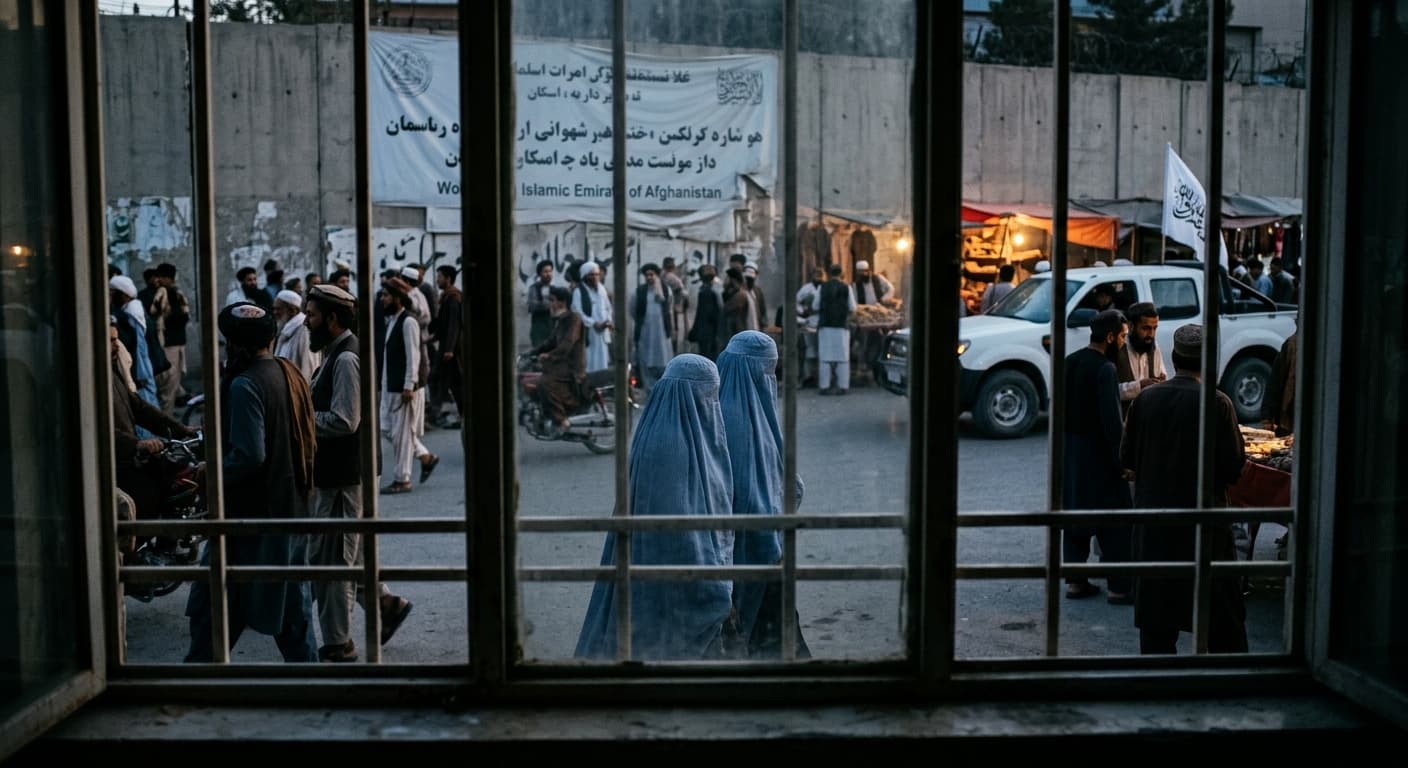
World Normalises Taliban as Afghan Women Eras
UN data shows Afghan women erased from public life as Russia recognises the Taliban, EU hosts officials in Brussels, and ICC warrants for gender persecution go unenforced.
Conflict & Security
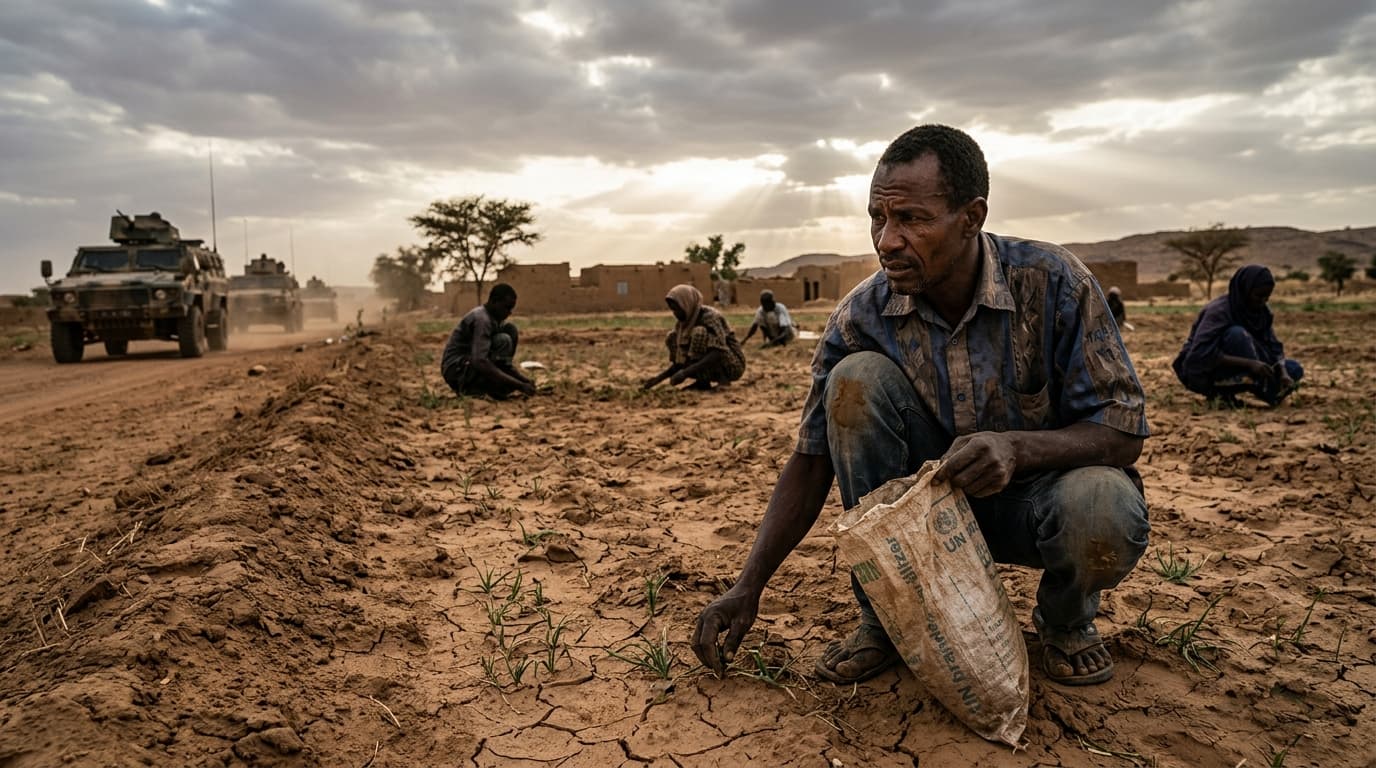
West Africa Food Crisis: Three Shocks in 2026
Conflict, climate extremes, and the Strait of Hormuz closure drive a severe food crisis in West and Central Africa, with fertilizer prices surging 80% and millions displaced.