Peter Magyar's Bold Media Overhaul in Hungary
Magyar's victory signals a bold media overhaul in Hungary.
Model Diplomat3 min readHungary

Hungary’s Magyar shakes up politics with sweeping state media overhaul plan
Peter Magyar’s Tisza party stormed to victory, toppling Viktor Orban’s decade-long rule. Magyar’s first moves signal a bold reset of Hungary’s media landscape—and power balance.
Hungary’s veteran democratic order took a sharp turn on April 15, 2026, as Peter Magyar, leader of the freshly minted Tisza party, secured a decisive parliamentary win. This ended Viktor Orban’s controversial 14-year tenure, which critics charged with undermining Hungarian democracy via state media control and eroding judicial independence. Magyar wasted no time in demanding the resignation of President Katalin Novak and vowing a radical overhaul of Hungary’s state media system.
Why Magyar’s media overhaul matters
Orban’s regime built its political fortress in no small part through public media domination—state broadcasters and news outlets were retooled into prolific pro-government propaganda tools. This media restructuring effectively silenced dissent and skewed public discourse, contributing to Hungary’s democratic backslide tracked by Freedom House.
Magyar’s promises to suspend all public media broadcasts temporarily and draft a new media law signal a break from Orban’s strategy. Establishing an independent media authority points to efforts to introduce checks on political influence over information—an essential step toward press pluralism and restoring public trust in journalism.
This agenda aligns with broader European Union concerns. Budapest has faced EU sanctions and funding cuts tied in part to Orban’s media and rule-of-law policies. Magyar’s approach could reopen dialogue with Brussels, heralding a recalibration of Hungary’s EU ties.
The stakes: Rebuilding or deepening divides?
While Magyar’s mandate carries momentum, the path ahead is fraught. The president’s refusal to quit could trigger institutional clashes. Orban loyalists remain influential in media and state bureaucracy, raising questions about political resistance to reforms.
The media landscape overhaul will require intricate legal and institutional work to ensure genuine independence—not merely a new façade. Magyar will need to balance swift action with democratic safeguards to avoid replicating past authoritarian pitfalls.
Moreover, Hungary’s electorate remains divided. Orban’s nationalist-populist appeal retains a significant base. How Magyar addresses societal polarization will prove crucial for sustained democratic renewal.
What to watch next
- President Katalin Novak’s response: Will she step down, or does Hungary face a constitutional standoff?
- Tisza party’s legislative priorities: Beyond media, will judicial reform and anti-corruption measures follow?
- EU’s diplomatic engagement: How Brussels recalibrates relations with a post-Orban Hungary may shape regional politics.
- Media freedom metrics: The pace and depth of media pluralism restoration will be the true barometer of Magyar’s success.
Peter Magyar’s victory and immediate reformist impulses mark a pivotal moment for Hungary—a country cast as a democratic cautionary tale in recent years. The unfolding political battles will not just determine Hungary’s future; they could reshape the EU’s approach to democratic resilience within its own borders.
For those tracking European democracy and media freedom, Hungary’s next moves warrant close attention. Read more on Global Politics and Hungary’s profile at
Model Diplomat.
Sources:
Al Jazeera - Hungary’s Magyar urges president to quit, vows to overhaul state media
Freedom House - Hungary Profile 2026
Discover more

India
Modi's Women’s Reservation Bill
PM Modi's Women's Reservation Bill aims to expand women's seats in India's Parliament, a reform poised to reshape democracy and shift electoral dynamics.

India
Modi's Women’s Reservation Bill
PM Modi framed the Women's Reservation Bill as a democratic win, challenging opposition claims and signaling a call for cross-party support across the aisle.

Economics
Fed's Amex AML order puts correspondent banking on notice
Federal Reserve's Amex AML order requires board-level controls and a 90-day plan; OCC fined the bank $350 million over enterprise-wide deficiencies.
Conflict & Security
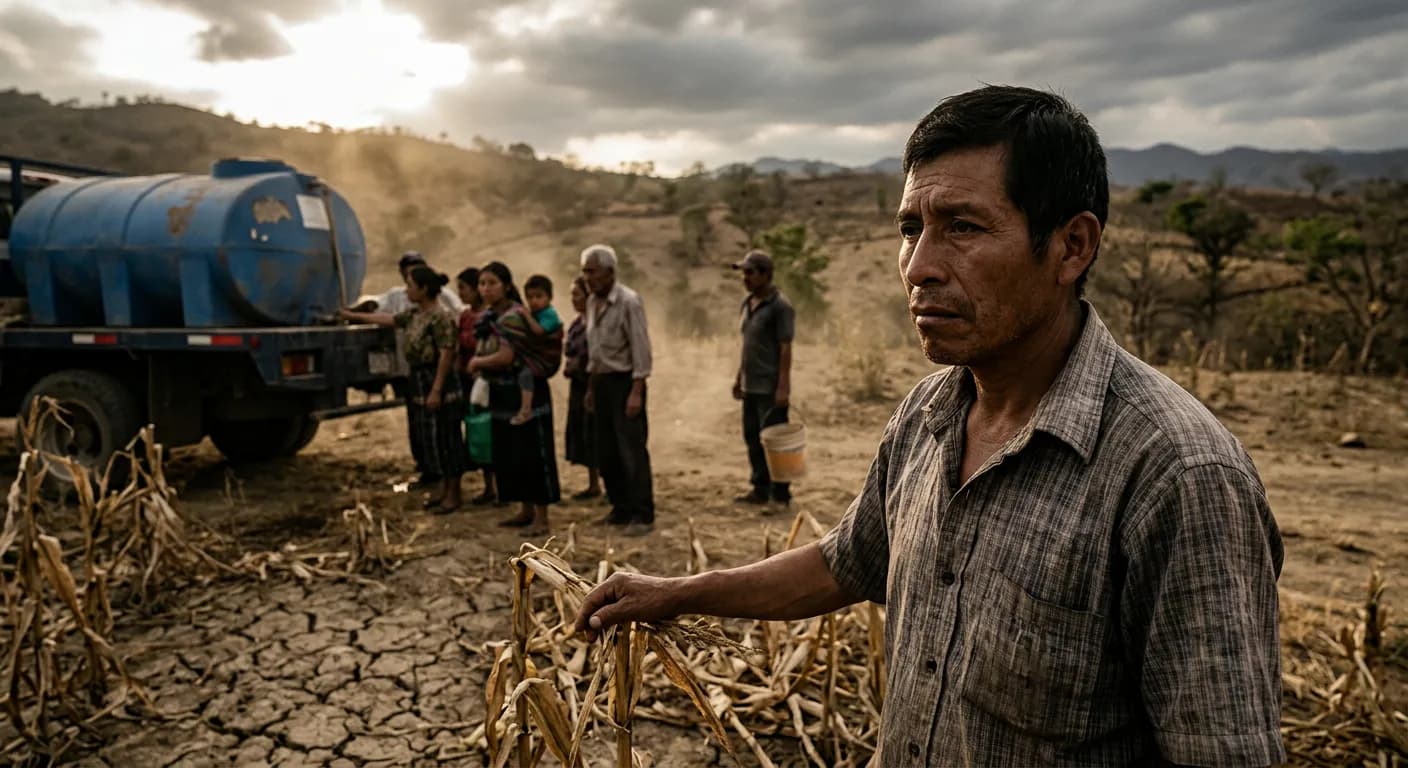
Guatemala: El Niño 2026–27 becomes regional security test
UNICEF: 25.8M children face El Niño risks in Latin America; Guatemala maps 188 municipalities for drought and food insecurity amid regional security test.