House Farm Bill Passage
Speaker Mike Johnson secures a farm bill victory in a divided House
Model Diplomat3 min readNorth America

House Farm Bill Gives Johnson a Tactical Win, Not Control
Speaker Mike Johnson forced a farm bill through a divided House, but the real leverage now shifts to the Senate and the coalition that can rewrite it.
The House’s passage of a sprawling farm bill is first and foremost a leadership story: Speaker Mike Johnson got a floor win that many in his conference had made harder than it needed to be. The Hill reported the bill passed despite internal Republican infighting, giving Johnson a concrete result on a core rural-policy priority at a moment when House Republicans have been struggling to govern their own agenda. House passes sprawling farm bill despite GOP infighting
Why Johnson pushed it through now
Johnson’s leverage was slipping elsewhere, which made the farm bill more valuable politically than its policy details alone. CNN reported this week that House Republicans were already facing a “nightmare week” over a prolonged DHS funding standoff and a separate fight over surveillance authorities, with the farm bill listed among the major measures caught up in the same broader GOP dysfunction. CNN also noted the bill had drawn resistance from parts of the Republican coalition, including the party’s “MAHA” wing. Hill GOP braces for ‘nightmare week’ as pressure mounts to end DHS funding standoff | CNN Politics
That makes the immediate winners clear. Johnson and House GOP leadership benefit because they can show farm-state members, donors, and committees that the chamber can still move a large authorizing bill under pressure. The immediate losers are the Republican factions whose leverage depends on denying leadership clean wins; once the bill passed, their threat became less about stopping the House and more about shaping what comes next. That is the real point for anyone tracking US Politics: House passage restores leadership credibility inside the conference, but it does not settle the coalition problem that created the infighting in the first place.
Why this matters beyond the vote
The second-order issue is implementation. A farm bill is only as useful as the federal machinery behind it, and that machinery is under strain. USA Today reported in March that the USDA workforce fell about 27% from September 2024 to December 2025, while the Food and Nutrition Service — the arm that oversees SNAP and other nutrition programs — was down 31%. USDA staff cuts under Trump administration impact farmers
That changes the politics. For farm-state lawmakers, the fight is no longer only over subsidy levels or nutrition rules. It is also about whether USDA can actually deliver programs on time. In practical terms, that gives the next round of negotiators — especially outside the House — more room to argue for a simpler, more administrable bill.
What to watch next
The Senate now holds the cleaner leverage. If senators treat the House bill as a negotiating marker rather than an endpoint, Johnson’s win becomes a starting bid, not a settlement. Watch three things: whether Senate leaders move quickly with their own framework, whether House Republicans reopen internal fights once changes are demanded, and whether the White House signals which parts are non-negotiable. For readers following the broader United States picture, the next real test is not the House vote. It is whether Johnson can defend this coalition once someone else starts rewriting the bill.
Discover more
US Politics
Next Generation Republicans
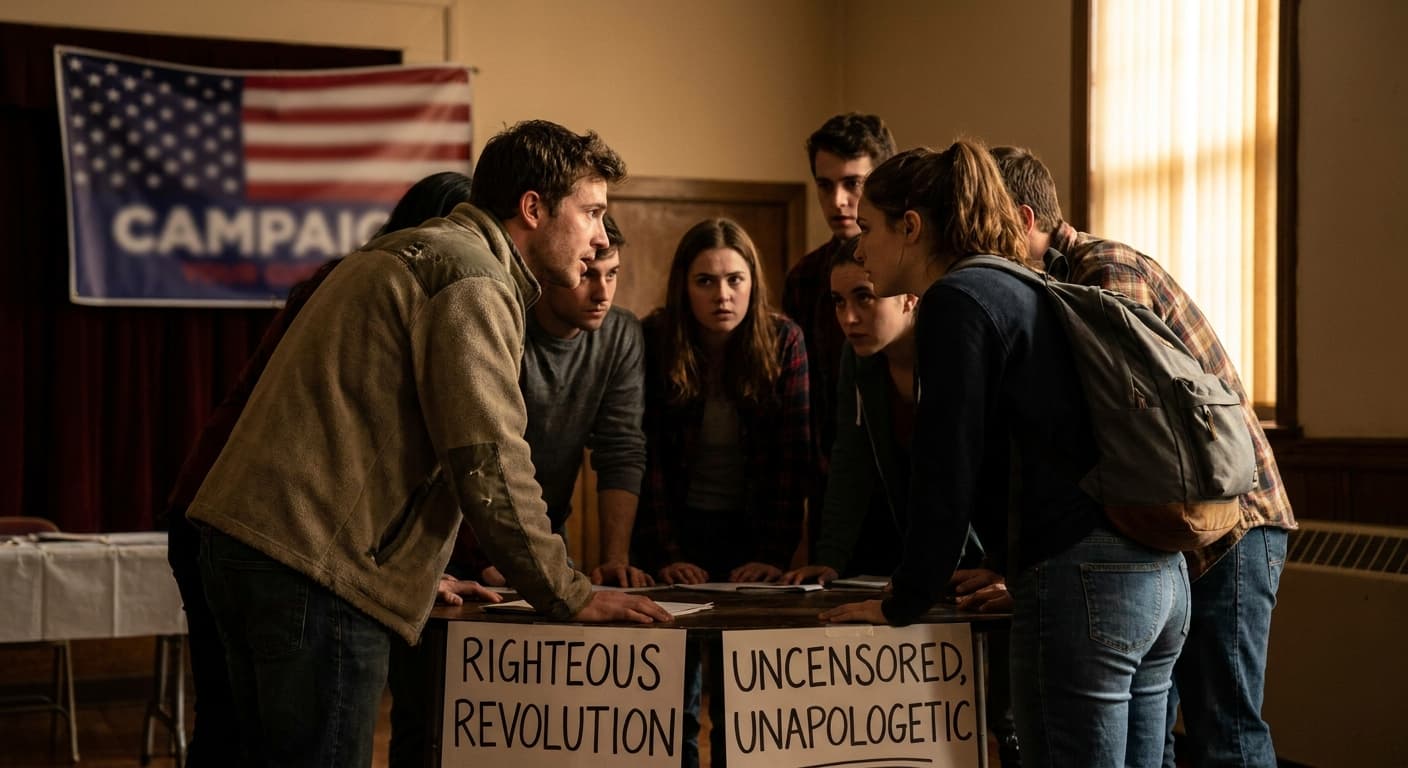
A leaked survey shows 39% of Republicans under 30 do not identify as MAGA, revealing a split in the GOP's future leadership.

Conflict & Security
Drone Warfare Killing Aid Workers at Unprec
Over 1,000 humanitarian workers killed in three years as cheap armed drones collapse legal protections. Gaza, Sudan, Ukraine, and DRC see deliberate targeting of aid convoys and hospitals with zero prosecutions.
Global
World Normalises Taliban as Afghan Women Eras
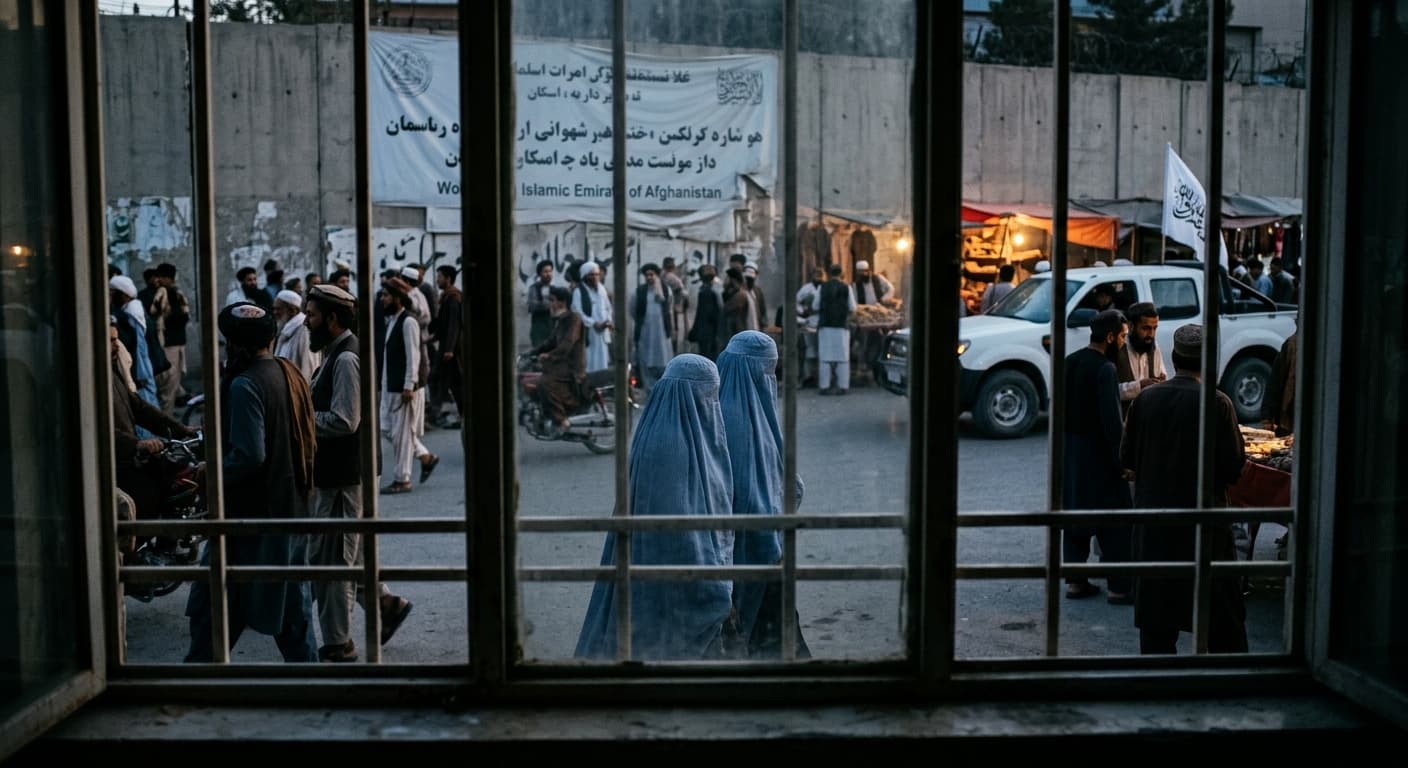
UN data shows Afghan women erased from public life as Russia recognises the Taliban, EU hosts officials in Brussels, and ICC warrants for gender persecution go unenforced.
Conflict & Security
West Africa Food Crisis: Three Shocks in 2026
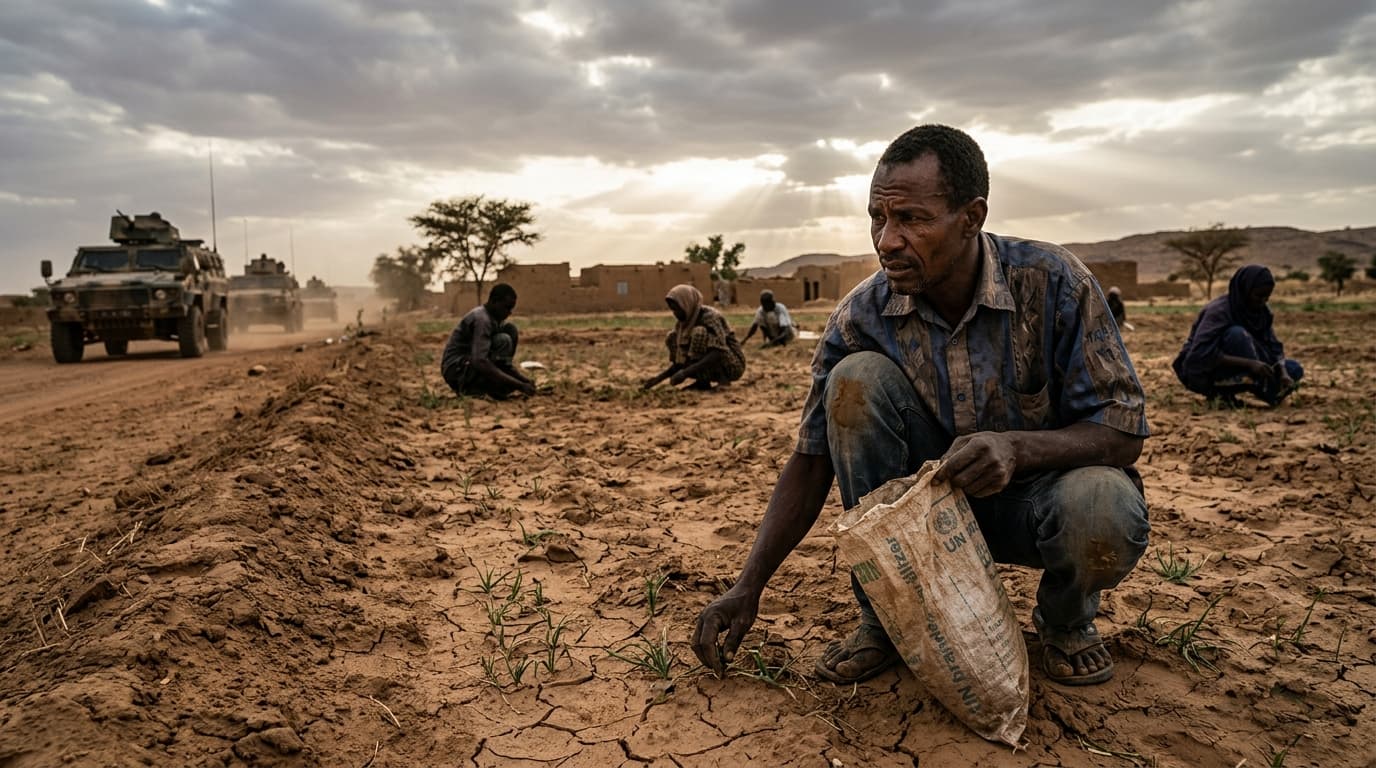
Conflict, climate extremes, and the Strait of Hormuz closure drive a severe food crisis in West and Central Africa, with fertilizer prices surging 80% and millions displaced.