House Defies Trump on War Powers
House votes to limit Trump's military actions against Iran.
Model Diplomat2 min readNorth America
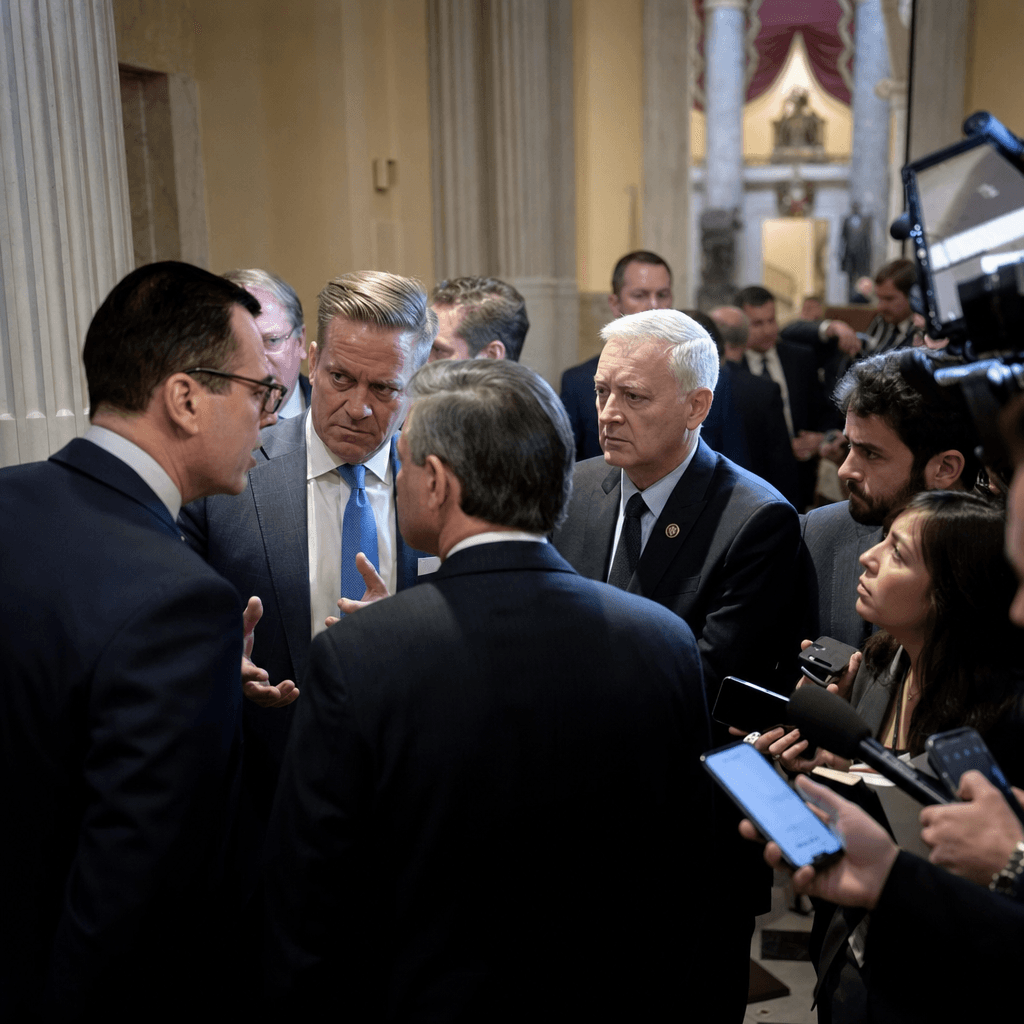
House Defies Trump on War Powers: The Crack in the GOP Coalition
The rare House rebuke on the Iran conflict reveals growing Republican anxiety over rising energy costs and a war of attrition ahead of the midterms.
On Wednesday, the U.S. House of Representatives voted 215 to 208 to pass a war powers resolution directing Donald Trump to withdraw U.S. forces from hostilities against Iran unless he obtains congressional authorization The Guardian. The vote represents a significant shift in legislative assertiveness as the
Conflict, which began on February 28 alongside joint strikes with Israel, approaches its 100th day
Al Jazeera. While the resolution faces an immediate veto, the defection of four Republicans—Thomas Massie, Brian Fitzpatrick, Warren Davidson, and Tom Barrett—signals that party discipline is fracturing over the administration's military campaign.
The Midterm Math and Shifting Leverage
The immediate catalyst for the successful vote was a breakdown in party management orchestrated by House Speaker Mike Johnson. In late May, Republican leadership was forced to postpone the scheduled vote and adjourn early because they lacked the numbers to defeat the measure NPR. This delay failed to bolster support, as rising energy costs driven by a maritime standoff in the Strait of Hormuz have fueled domestic anxiety ahead of the upcoming November midterm elections
The Guardian.
Furthermore, President Trump remains politically exposed as his administration fails to deliver the rapid diplomatic settlement it repeatedly promised. Despite claims that Iran is "desperate" to negotiate, sporadic hostilities and a fragile April ceasefire have yielded no strategic breakthrough The Guardian. This military stagnation has emboldened non-interventionist conservatives to join a unified Democratic caucus in demanding that Congress reassert its constitutional war-making authority
Al Jazeera.
The Limits of Congressional Reassertion
The primary beneficiaries of this vote are congressional Democrats, who have successfully exploited Republican divisions. By forcing a highly public, on-the-record vote on a controversial conflict, they are positioning themselves to capitalize on war fatigue in US Politics
NPR.
Conversely, the executive branch's narrative of unchallenged commander-in-chief authority has taken a clear hit. While Trump possesses the veto power necessary to block the resolution, his administration has been forced to rely on legalistic arguments dismissing the 1973 War Powers Act as unconstitutional The New York Times. The vote demonstrates that electoral self-preservation in swing districts can override executive loyalty when a military intervention drags on without an exit plan.
What to Watch Next
The strategic focus now shifts to the upper chamber. Last month, a procedural vote to advance an Iran war powers measure drew support from a handful of Republican senators, including Susan Collins and Rand Paul Al Jazeera. The critical next step is whether Senate leadership prioritizes a floor vote on the binding joint resolution before the summer recess. If it passes, the ultimate test of congressional leverage will be whether the rebel Republicans have the stomach to join Democrats in reaching the two-thirds threshold required for a veto override.
Discover more

Global
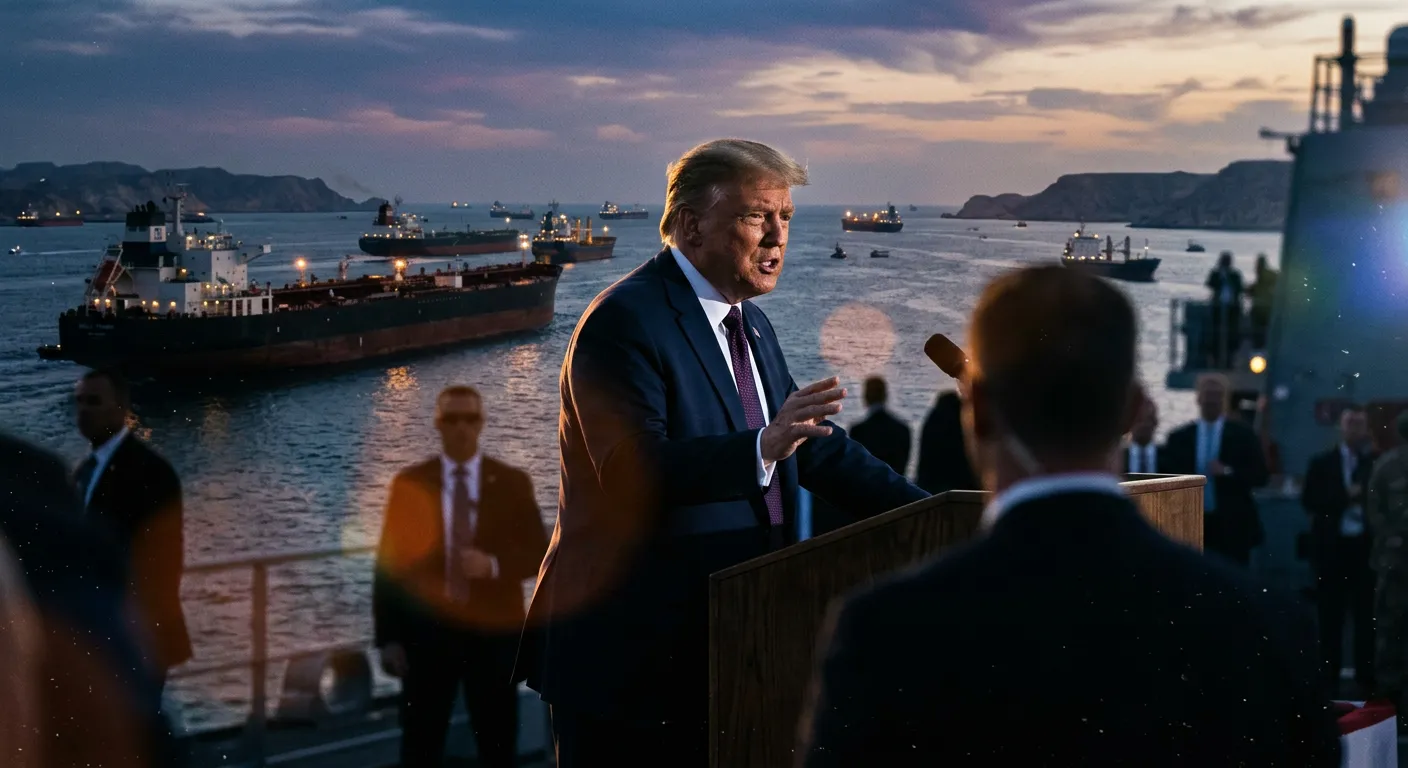
US Reinstates Iran Blockade, Splits Hormuz
US reinstates naval blockade of Iran on July 14, ending 26-day ceasefire. Strait of Hormuz splits into competing toll lanes as traffic collapses to 23 ships daily. 60-day war-powers clock ticks toward Congress.
Global
Trump's Hormuz Toll Reversal Masks a Bigger
Trump reverses 20% Hormuz cargo fee, replacing it with Gulf state investment demands. Strait traffic collapses 84% as US-Iran war escalates with strikes on power plants and bridges threatened.
Conflict & Security
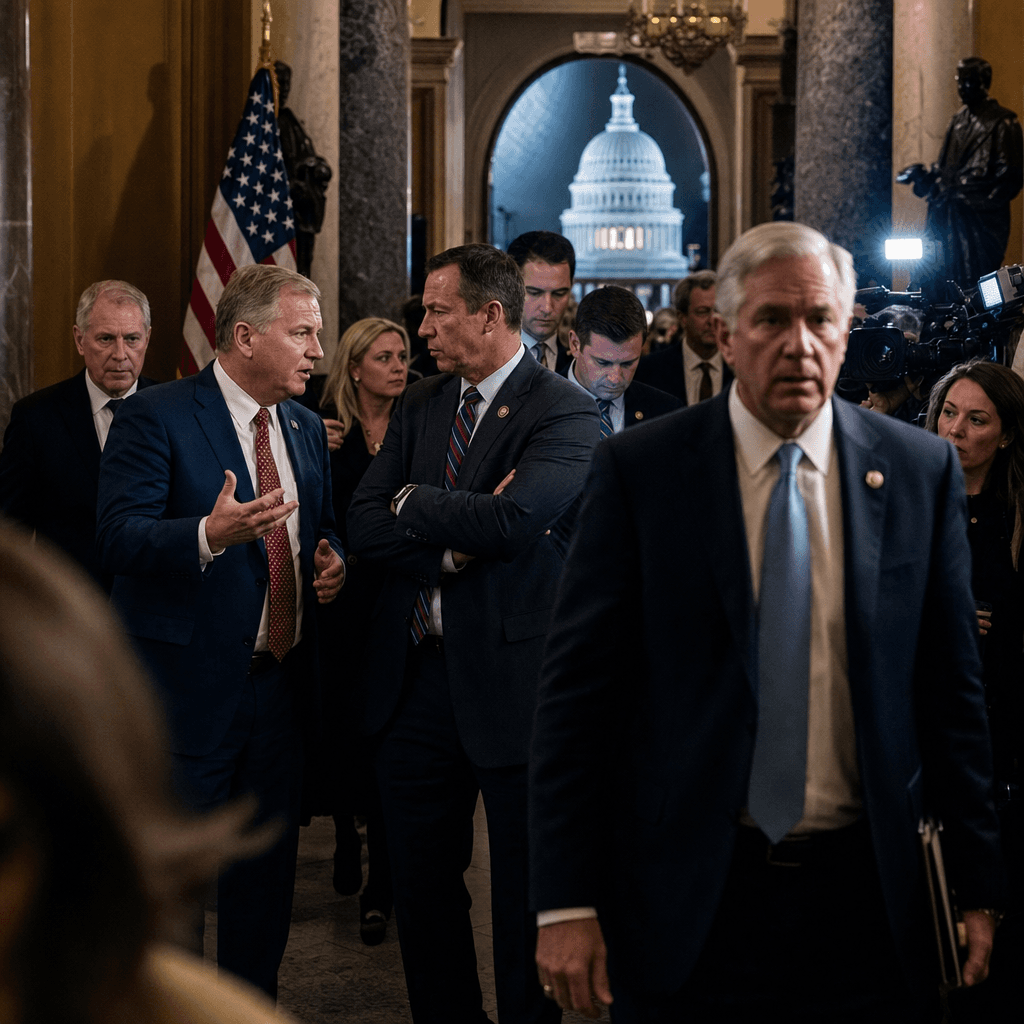
House Rebels: Trump's Iran War Faces Pushback
A bipartisan House vote to limit Trump's war powers against Iran reveals rifts in Congress, signaling rising resistance to military escalation in the region.
US Politics
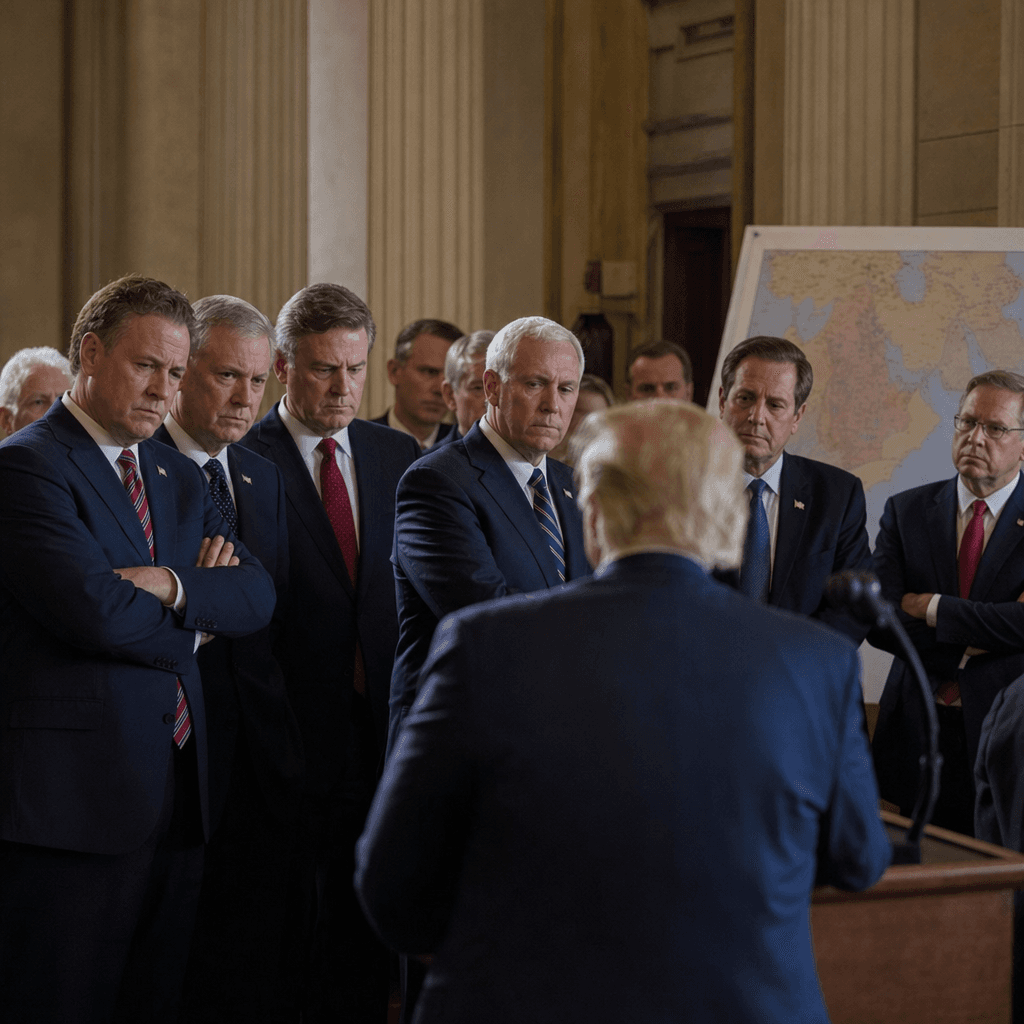
GOP Defections Threaten Trump's Iran Strategy
Growing Republican defections in Congress signal rising dissent over Trump's Iran strategy, raising war-powers questions that could complicate his midterm path.