Hormuz Strikes Heighten Iran-US Tensions
Ceasefire at risk as strikes escalate in Hormuz region
Model Diplomat3 min readMiddle East
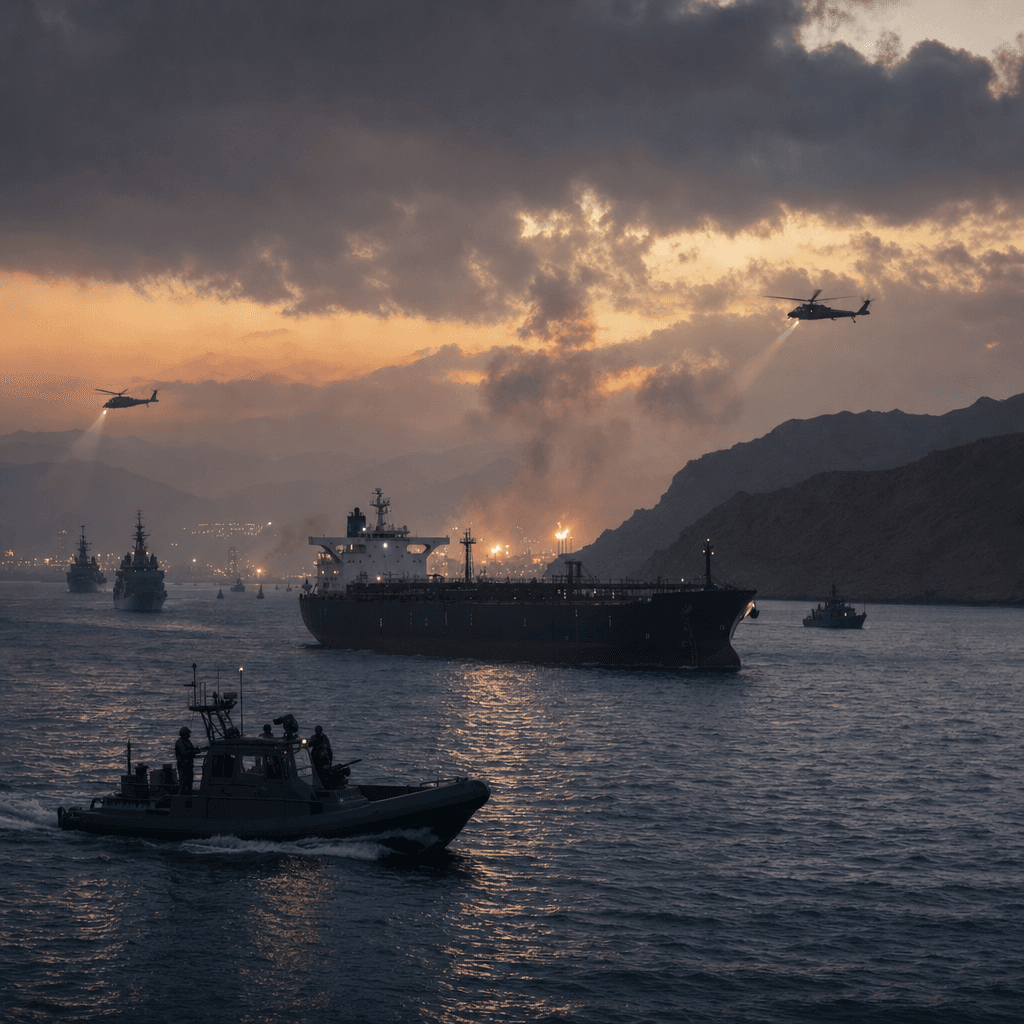
Hormuz Strikes Put the Iran-US Ceasefire Back on Edge
Washington is using limited strikes to keep shipping open; Tehran is using the strait to force concessions on sanctions, uranium and frozen funds.
Iran accused the United States on Tuesday of breaching a fragile ceasefire with strikes near the Strait of Hormuz, while Washington said the attacks were defensive and aimed at missile sites and boats allegedly laying mines, according to France 24. The power dynamic is straightforward: the US has the military reach, but Iran still holds the chokepoint that matters to global energy and to the diplomacy built around it. This is no longer just a battlefield issue; it is the central bargaining chip in a wider
Conflict & Security contest.
Why Hormuz is the pressure point
The Strait of Hormuz normally carries about a fifth of global oil and liquefied natural gas trade, and France 24 reported that traffic through it had fallen to a fraction of normal levels since the war began. Brent crude rose about 3.5% on Tuesday to around $100 a barrel, a reminder that even limited strikes move markets when they touch this lane. France 24
Tehran is also showing that it can calibrate pressure rather than simply shut the route outright. France 24 said the Revolutionary Guards claimed 25 oil tankers and other vessels had passed through the strait with Iranian permission over the previous 24 hours. That is the key signal: Iran wants to keep leverage over traffic without surrendering the ability to disrupt it. For United States, that means the challenge is not only protection of forces; it is whether force can reopen shipping without triggering the next round of retaliation.
The deal is narrower than the rhetoric
The ceasefire is only a pause because the real bargain is still being written. Reuters reported that the two sides were closing in on a one-page memorandum that would formally end the war, with deeper talks to follow on the Strait of Hormuz, sanctions relief and curbs on Iran’s nuclear program. Under that reported structure, the first phase would reopen the waterway and release frozen Iranian funds, while the harder nuclear issues would be pushed into a 60-day second phase.
That sequencing tells you where the leverage sits. Washington wants shipping restored first and tougher concessions later. Tehran wants sanctions relief and financial access now, before it gives up anything durable on enrichment. Marco Rubio’s comment that a deal could still take “a few days,” as reported by France 24, reinforces that this is a live negotiation, not a settled truce. The risk for both sides is that every strike on the margins makes the other side’s domestic case harder.
What to watch next
The next decision point is whether Tehran answers the Doha draft or uses the Hormuz strikes to walk away. Reuters said the talks were focused on the strait, highly enriched uranium and frozen funds; if those three pieces do not move together, the ceasefire will stay brittle.
The regional spillover is already visible. AP reported a missile-and-drone attack on the UAE as the truce was challenged again, showing that Gulf partners are now part of the pressure campaign whether they are at the table or not. Watch Doha over the next few days, watch tanker traffic through Hormuz, and watch whether either side decides a “defensive” strike is the start of a larger reset.
Discover more

Global Politics
US Seizes Iranian Ship, Tensions Surge
The US seizure of the Iranian ship Touska highlights a shift in control over the Strait of Hormuz, favoring Iran's strategic position.

Conflict & Security
Drone Warfare Killing Aid Workers at Unprec
Over 1,000 humanitarian workers killed in three years as cheap armed drones collapse legal protections. Gaza, Sudan, Ukraine, and DRC see deliberate targeting of aid convoys and hospitals with zero prosecutions.
Global
World Normalises Taliban as Afghan Women Eras
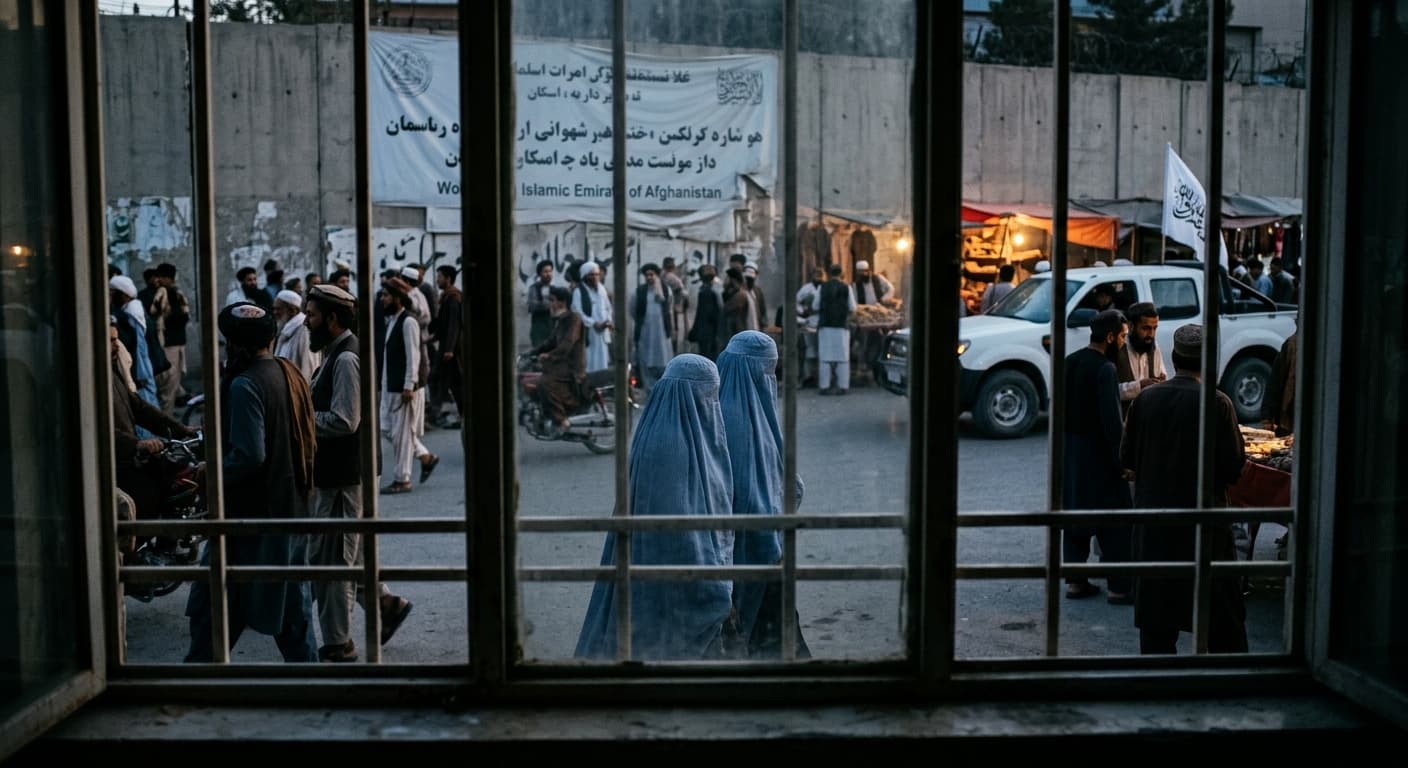
UN data shows Afghan women erased from public life as Russia recognises the Taliban, EU hosts officials in Brussels, and ICC warrants for gender persecution go unenforced.
Conflict & Security
West Africa Food Crisis: Three Shocks in 2026
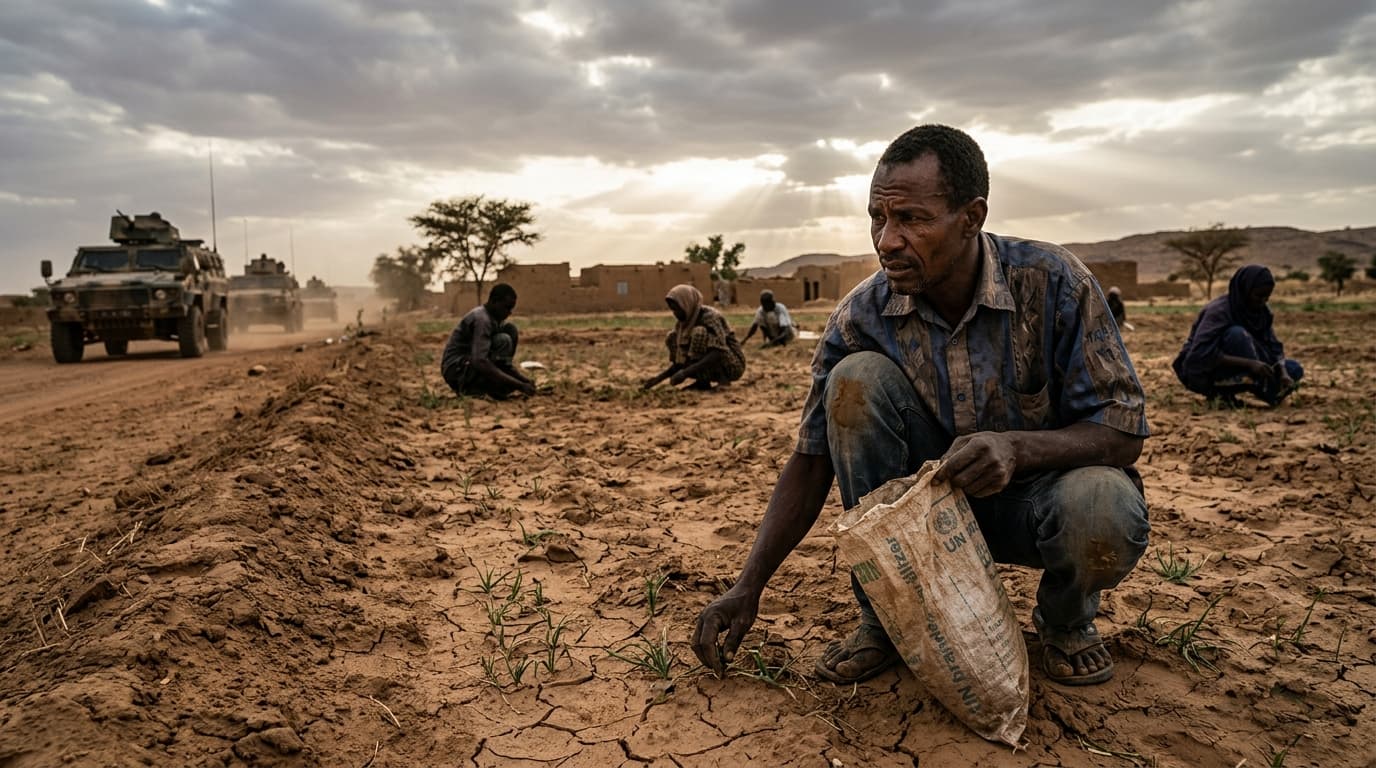
Conflict, climate extremes, and the Strait of Hormuz closure drive a severe food crisis in West and Central Africa, with fertilizer prices surging 80% and millions displaced.