Hormuz Standoff Threatens Gulf Economies
Gulf growth relies heavily on the insecure Strait of Hormuz.
Model Diplomat3 min readMiddle East
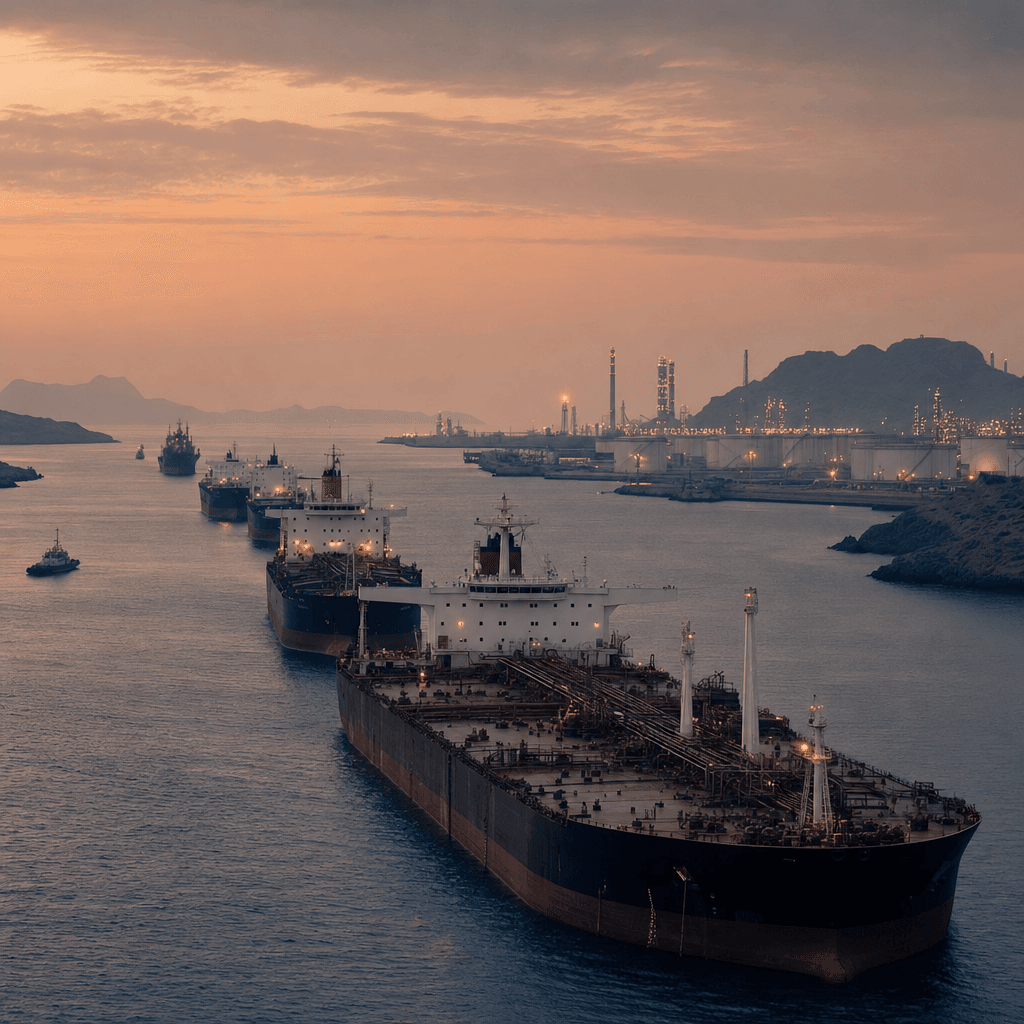
Hormuz Standoff Is Turning Gulf Resilience Into Exposure
The ceasefire around Iran has not restored trade; it has exposed how much Gulf growth still depends on one insecure waterway.
What began as a temporary truce has turned into a test of endurance for the Gulf. The Economist says the ceasefire between the United States and Iran has lasted nearly six weeks but has produced “almost no traffic” through the Strait of Hormuz, leaving Gulf capitals in limbo as skirmishes continue and no durable settlement has emerged (The Economist). That matters because the leverage in this crisis sits with whoever can keep shipping uncertain. Right now, Iran’s ability to disrupt Hormuz is forcing the Gulf to pay the economic price first.
The choke point is doing the damage
Reuters reported on May 6 that the UAE’s eastern ports, Fujairah and Khor Fakkan, have become the country’s trade lifeline after the Strait was effectively closed to normal traffic (Reuters). Crude exports through Fujairah are up 38%, and Khor Fakkan’s container volumes have surged 25-fold as ships reroute away from the western Gulf. That is a sign of adaptation, but it is also a warning: rerouting keeps commerce moving only by adding cost, time and insurance risk.
The immediate winners are the operators that can absorb this traffic surge — UAE port authorities, terminal firms, tanker owners with flexible routes, and insurers charging crisis premiums. The losers are the Gulf economies that built their growth model on predictability: Qatar’s LNG exporters, Saudi Arabia’s logistics and industrial planners, and the smaller Gulf states whose budgets depend on stable transit and investor confidence. The Global Politics lesson is simple: chokepoints are not just military assets; they are economic vetoes.
Why this is more than a shipping problem
The Economist’s warning is not about a few bad weeks at sea. It is about what happens if the truce drags on without a deal by late summer. A prolonged crisis would harden insurance costs, depress traffic, and make Gulf diversification look fragile rather than resilient (The Economist). That creates a second-order hit: investors start pricing Gulf hubs not as safe connectors between Asia, Europe and the Gulf
United States, but as exposed peripheries of a regional conflict.
That is the real strategic damage. The Gulf states spent the past decade trying to convert oil wealth into logistics, finance, aviation and tourism power. But those sectors all depend on one thing: frictionless access. If Hormuz becomes a recurring bargaining chip, then every diversification project carries a geopolitical risk premium. In that scenario, the Gulf can still move cargo — but it cannot restore confidence.
What to watch next
The next decision point is whether Washington and Tehran convert the truce into a functioning framework before the end of summer. Watch three things: whether ship traffic through Hormuz normalizes, whether the UAE’s eastern ports remain under sustained pressure, and whether Iran keeps using maritime disruption as a negotiating tool. If the Strait is still largely shut by late summer, the crisis will stop being a temporary shock and start looking like a structural downgrade to the Gulf’s economic model.
Discover more

Global Politics
US Seizes Iranian Ship, Tensions Surge
The US seizure of the Iranian ship Touska highlights a shift in control over the Strait of Hormuz, favoring Iran's strategic position.

Conflict & Security
Drone Warfare Killing Aid Workers at Unprec
Over 1,000 humanitarian workers killed in three years as cheap armed drones collapse legal protections. Gaza, Sudan, Ukraine, and DRC see deliberate targeting of aid convoys and hospitals with zero prosecutions.
Global
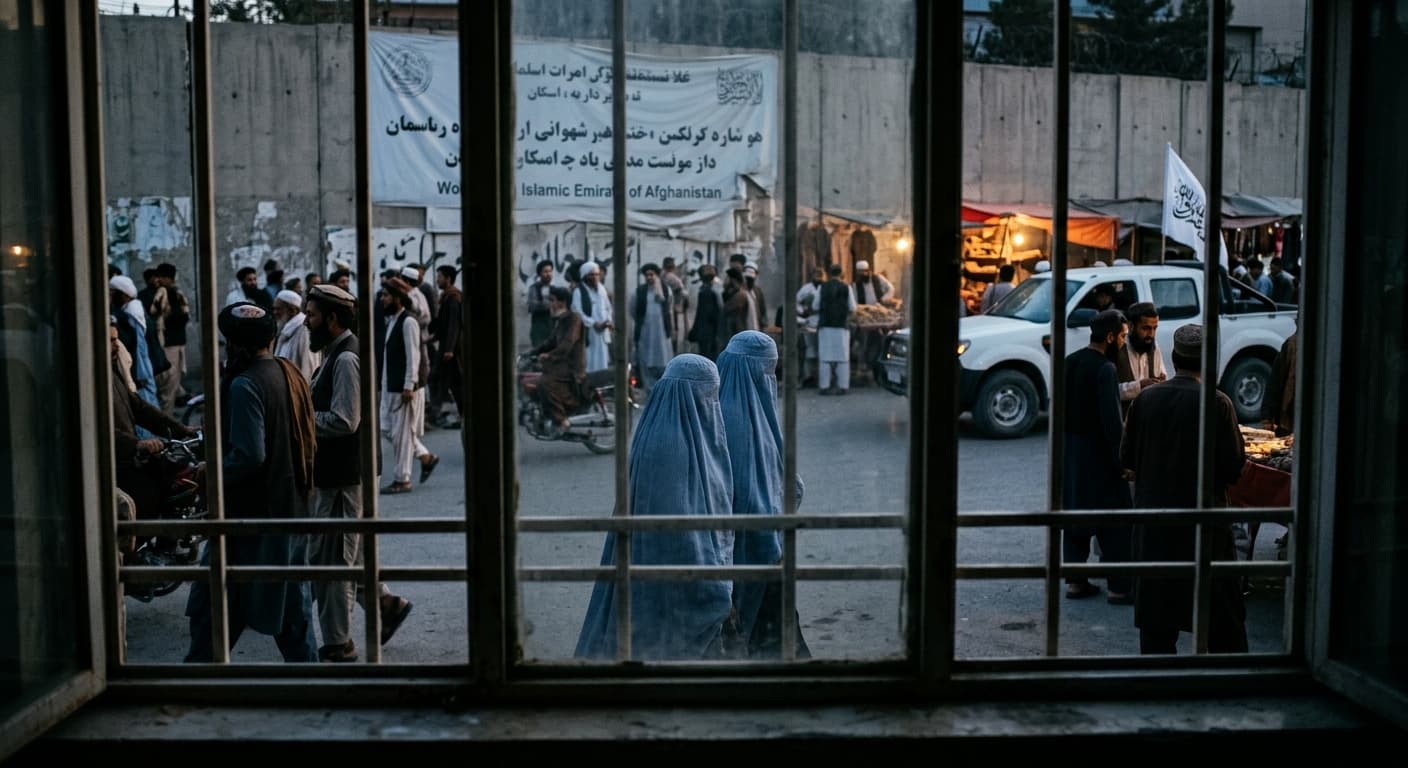
World Normalises Taliban as Afghan Women Eras
UN data shows Afghan women erased from public life as Russia recognises the Taliban, EU hosts officials in Brussels, and ICC warrants for gender persecution go unenforced.
Conflict & Security
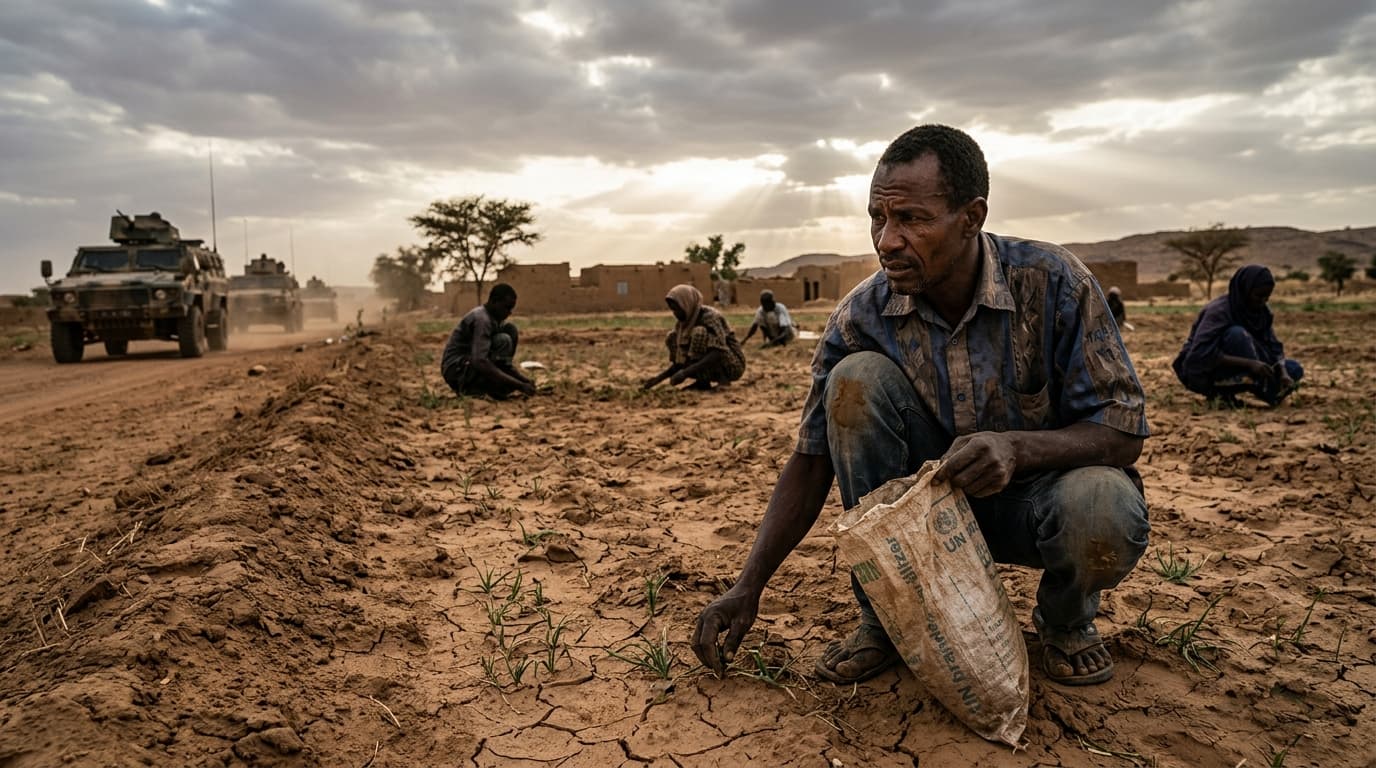
West Africa Food Crisis: Three Shocks in 2026
Conflict, climate extremes, and the Strait of Hormuz closure drive a severe food crisis in West and Central Africa, with fertilizer prices surging 80% and millions displaced.