US-Iran Tensions Rise in Hormuz Strait
Tensions rise as US and Iran clash in strategic waterway.
Model Diplomat3 min readMiddle East
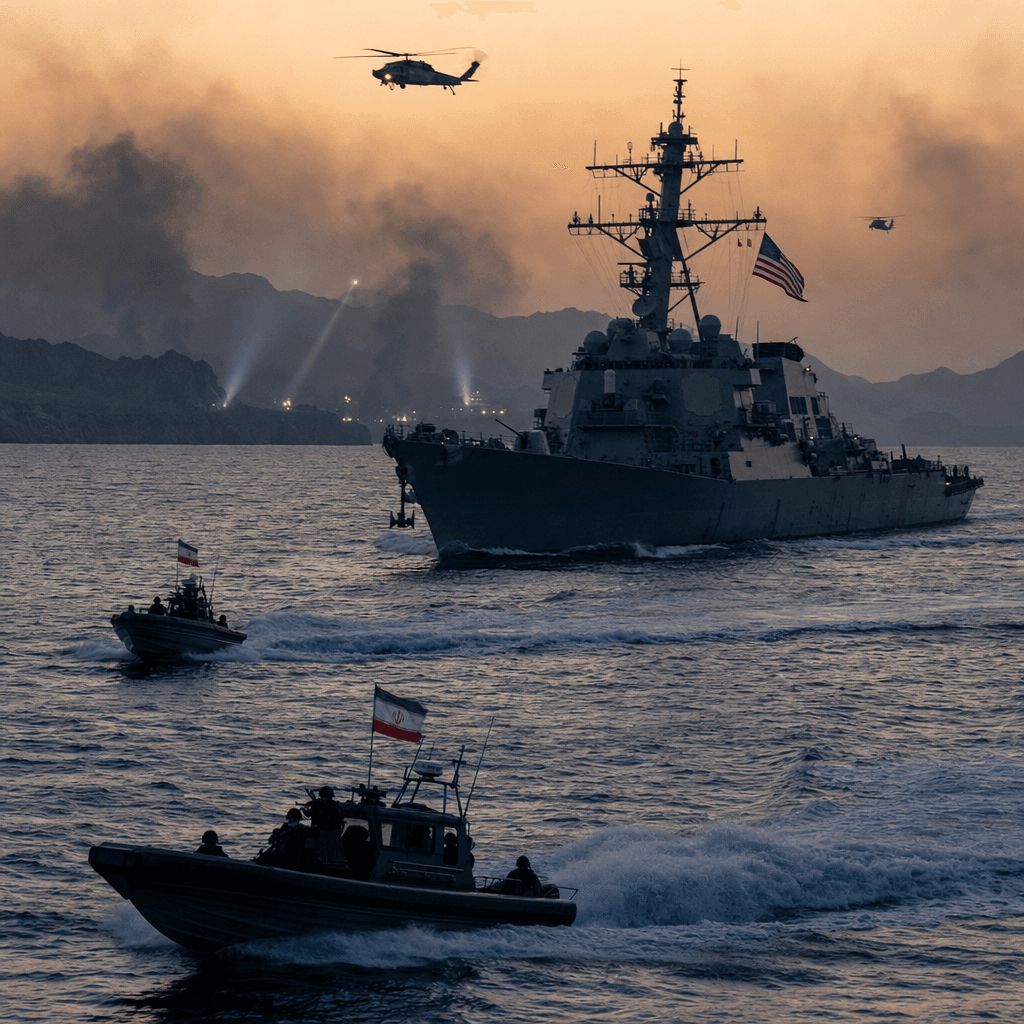
Hormuz Firefight Puts US-Iran Ceasefire on Tenterhooks
Washington wants the strait reopened without paying Tehran’s price. Iran is using shipping disruption to force guarantees, sanctions relief, and leverage.
The U.S. and Iran traded fire in the Strait of Hormuz on Friday, with Washington saying it intercepted attacks on three Navy ships and struck Iranian military facilities, while Tehran accused the U.S. of violating the ceasefire and targeting its shipping lane, according to NPR and
The Washington Post. The exchange matters because Hormuz is the pressure point: Iran can threaten the waterway, and the U.S. can answer with force, but neither side can easily impose a clean win without damaging the ceasefire they say they still want.
Leverage now runs through the strait
This is not just another isolated skirmish. The Strait of Hormuz carries about a fifth of the world’s oil and liquefied natural gas traffic, which gives Iran a way to turn a military dispute into an energy shock, as BBC News noted in its report on the shipping standoff. That is why Washington has been escorting vessels and using force to keep the lane open: the U.S. is trying to restore commercial flow without conceding Iran’s core demands.
Tehran’s message is equally clear. In reporting carried by Al Jazeera, Iranian officials said they were still reviewing the latest U.S. proposal and want guarantees against future attacks, a U.S. withdrawal from around Iran, sanctions relief, and a new mechanism for the strait. That is the real bargain: Iran wants recognition of its control over the chokepoint; the U.S. wants quiet waters without validating that claim.
The ceasefire is being tested, not ended
The immediate danger is escalation through ambiguity. NPR and
The Washington Post both reported that the ceasefire remains formally in place even after the latest exchange, and President Trump downplayed the clash as a “love tap.” That language is meant to keep the door open; it also signals that the White House does not want one incident to force a broader war.
The problem is that both sides are using the same playbook: pressure first, negotiation later. The U.S. is trying to change facts at sea. Iran is trying to make the strait inhospitable enough to win concessions at the table. Neither side needs a full collapse of the ceasefire to make the situation dangerous; a single misread fast boat, missile launch, or tanker seizure could do it.
What to watch next
The next decision point is Tehran’s response to the U.S. proposal and whether Washington keeps its escort-and-intercept posture in the strait. The Straits Times reported that the emerging framework is only a temporary arrangement, with a 30-day negotiation window and no settled answer on Iran’s nuclear stockpile or enrichment. That means the ceasefire’s durability will be judged less by statements than by whether ships keep moving and whether either side claims a new violation.
For policymakers tracking Global Politics and
Conflict, the key date is the next formal reply from Tehran — because if it is negative or delayed, Hormuz becomes the bargaining chip again.
Discover more

Global Politics
US Seizes Iranian Ship, Tensions Surge
The US seizure of the Iranian ship Touska highlights a shift in control over the Strait of Hormuz, favoring Iran's strategic position.

Conflict & Security
Drone Warfare Killing Aid Workers at Unprec
Over 1,000 humanitarian workers killed in three years as cheap armed drones collapse legal protections. Gaza, Sudan, Ukraine, and DRC see deliberate targeting of aid convoys and hospitals with zero prosecutions.

Global
World Normalises Taliban as Afghan Women Eras
UN data shows Afghan women erased from public life as Russia recognises the Taliban, EU hosts officials in Brussels, and ICC warrants for gender persecution go unenforced.
Conflict & Security
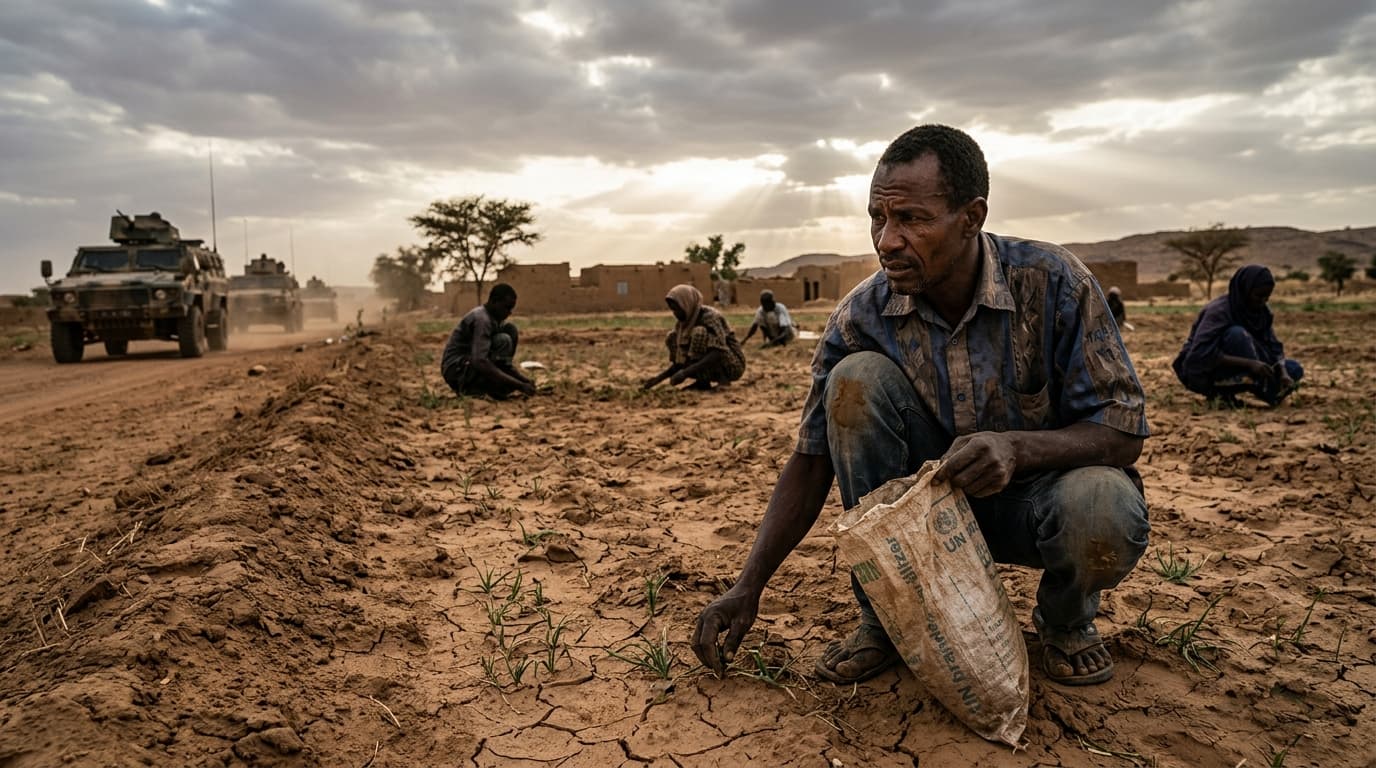
West Africa Food Crisis: Three Shocks in 2026
Conflict, climate extremes, and the Strait of Hormuz closure drive a severe food crisis in West and Central Africa, with fertilizer prices surging 80% and millions displaced.