Hegseth: US Firm on Iran, No Concessions Made
Pete Hegseth counters narratives of US concessions to Iran.
Model Diplomat3 min readNorth America
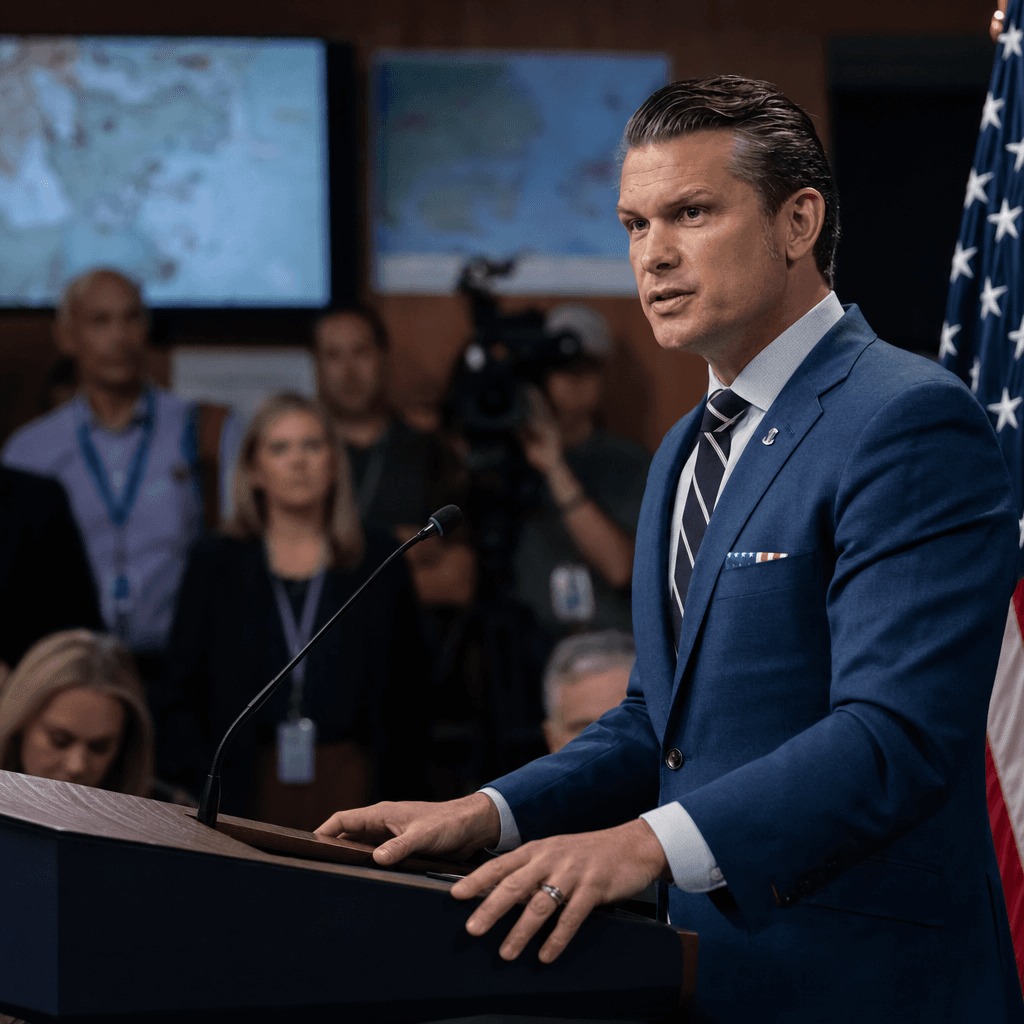
Hegseth: US Stands Firm Against Iran Capitulation Claims
Commentator Pete Hegseth asserts the US has made no concessions to Iran, countering narratives of appeasement amid complex ongoing diplomatic pressures.
Conservative commentator Pete Hegseth stated on May 5, 2026, that the United States "hasn’t capitulated on anything" regarding its policy towards Iran. This assertion directly challenges any prevailing or emerging narratives suggesting the U.S. administration is making significant concessions to Tehran, particularly amidst sensitive diplomatic channels and regional tensions. Hegseth’s intervention signals a strong defense of a perceived tough stance, aiming to counter arguments that the U.S. is yielding leverage in its dealings with the Islamic Republic.
The Power Dynamic: Asserting Strength Amidst Stalemate
Hegseth's statement is framed within a broader context of U.S.-Iran relations characterized by persistent suspicion and complex, often covert, negotiations. The implication is that certain actors, or segments of public discourse, are suggesting the U.S. is softening its position, potentially offering sanctions relief or other concessions in the hope of de-escalating nuclear proliferation concerns or securing the release of detained nationals. By unequivocally denying any capitulation, Hegseth seeks to reinforce a power-centric view: the U.S. holds its ground, and Iran has not secured strategic advantages through negotiation or pressure. This narrative benefits U.S. domestic political factions advocating for a more confrontational approach or those skeptical of diplomatic engagement with Iran. Conversely, it potentially undermines any administration seeking a diplomatic breakthrough, as it preemptively dismisses any concessions made as strategically insignificant or non-existent.
The beneficiaries of this strong rhetorical stance are primarily those who prioritize maximum pressure on Iran, including hardline elements within the U.S. political landscape and key regional allies such as Israel and Saudi Arabia, who view any U.S. accommodation of Iran with deep concern. These actors gain leverage when the U.S. publicly projects an image of unwavering resolve. Conversely, proponents of de-escalation, and indeed Iran itself if it had anticipated or sought specific concessions, stand to lose from such pronouncements, as they close off avenues for negotiation or signal a lack of flexibility. This dynamic underscores the ongoing struggle to define U.S. Iran policy, caught between pressure-based and diplomacy-focused approaches.
What to Watch Next
The immediate focus will be on institutional reactions and any subsequent diplomatic maneuvers. Washington's official response, or lack thereof, to Hegseth's assertion will be telling. U.S. administrations typically avoid commenting directly on such specific claims made by external commentators unless there is a strategic imperative to either confirm or refute them loudly. More critically, Iran's state media and official channels will likely engage with Hegseth's statement, and their response will indicate whether they perceive the U.S. position as rigid or if they believe Hegseth is misrepresenting underlying, quieter diplomatic efforts.
Key indicators to monitor include:
- Any declassified intelligence or official statements from the White House or State Department regarding ongoing talks or sanctions policy.
- Iran's actions concerning its nuclear program or regional proxies in the coming weeks, which could serve as a de facto response to perceived U.S. posture.
- Statements from U.S. regional allies regarding Iran policy, which often provide insight into the broader diplomatic climate. The next decision point for tangible shifts will likely be tied to
upcoming international forums or discreet bilateral communications expected later this year.
Discover more

Global Politics
US Seizes Iranian Ship, Tensions Surge
The US seizure of the Iranian ship Touska highlights a shift in control over the Strait of Hormuz, favoring Iran's strategic position.

Conflict & Security
Drone Warfare Killing Aid Workers at Unprec
Over 1,000 humanitarian workers killed in three years as cheap armed drones collapse legal protections. Gaza, Sudan, Ukraine, and DRC see deliberate targeting of aid convoys and hospitals with zero prosecutions.

Global
World Normalises Taliban as Afghan Women Eras
UN data shows Afghan women erased from public life as Russia recognises the Taliban, EU hosts officials in Brussels, and ICC warrants for gender persecution go unenforced.
Conflict & Security
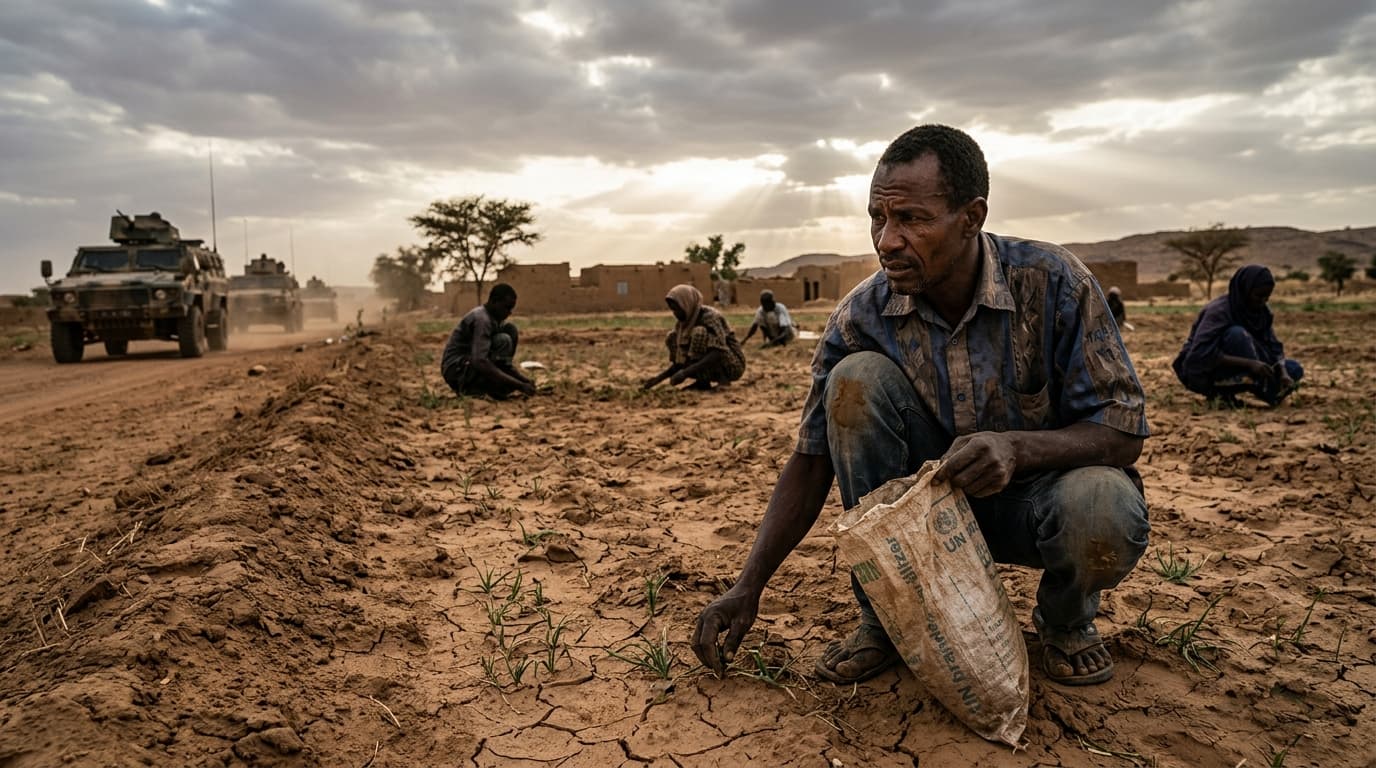
West Africa Food Crisis: Three Shocks in 2026
Conflict, climate extremes, and the Strait of Hormuz closure drive a severe food crisis in West and Central Africa, with fertilizer prices surging 80% and millions displaced.