Haryana's Community Farm Tanks for Water
Innovative irrigation strategy to combat water scarcity in Haryana
Model Diplomat2 min readAsia

Haryana Bets on Community Farm Tanks to Save Water
[Saini is shifting Haryana from borewells to subsidized, canal-fed farm tanks and micro-irrigation in nine districts, a bid to stretch scarce water further.]
Chief Minister Nayab Singh Saini has told Haryana’s irrigation department to build farmer groups and community tanks on holdings of 10 acres or more, with 85% government subsidy and canal-fed micro-irrigation, as part of the state’s Vision-2047 five-year action plan, Hindustan Times and
Lokmattimes reported. The first phase is to target Bhiwani, Charkhi Dadri, Gurugram, Mahendragarh, Nuh, Rewari, Hisar, Jhajjar and Sirsa, where the state wants canal pipelines feeding tanks, solar panels on the tanks, and drip or sprinkler systems in the connected fields,
Lokmattimes reported.
What Saini is really doing
This is not just an irrigation upgrade; it is an attempt to re-engineer how water is allocated in one of India’s most stressed farm belts. By pushing water into shared tanks and then into micro-irrigation lines, the state is trying to cut the political and economic dependence on tubewells, electricity, and open-field flooding, Lokmattimes reported. That matters because Haryana sits inside north India’s groundwater crisis: India has only 4% of the world’s water but uses 90% of its groundwater for agriculture, and falling water tables have already forced farmers deeper into pumps and higher costs,
CNA reported.
For the state, the payoff is obvious. If the plan works, Haryana can claim it is moving from subsidizing extraction to subsidizing efficiency, which is a cleaner political message than drilling more wells. That is why Saini’s language matters: he wants the department to move beyond “traditional irrigation systems” and make schemes “visible on the ground,” Hindustan Times reported. For
India’s broader farm policy debate, this is the same argument now being made in Haryana: less water per acre, more output per drop.
Who gains, who loses
The immediate winners are farmers in the pilot districts with land big enough to join the scheme, plus the agri-tech firms likely to bid on the tenders Saini has floated for this year, Lokmattimes reported. The losers are more diffuse: farmers outside the first nine districts, small holders who cannot easily form viable groups, and the old ecosystem built around borewells, pump sets and cheap power. Even if the state keeps the subsidy high, the model still depends on local coordination and maintenance — the two things that usually decide whether Indian water projects become infrastructure or just announcements.
The bigger question is whether Haryana can translate a pilot into a statewide reset before groundwater decline and monsoon volatility force a harder reckoning. India’s monsoon outlook remains fragile, and the federal government has already said expanding irrigation and improving water management are central to cushioning weaker rainfall, CNA reported. If Saini’s department issues tenders and locks in the nine-district rollout over the coming months, that will be the real test: whether Vision-2047 becomes a water-management blueprint, or just another headline.
Discover more
India
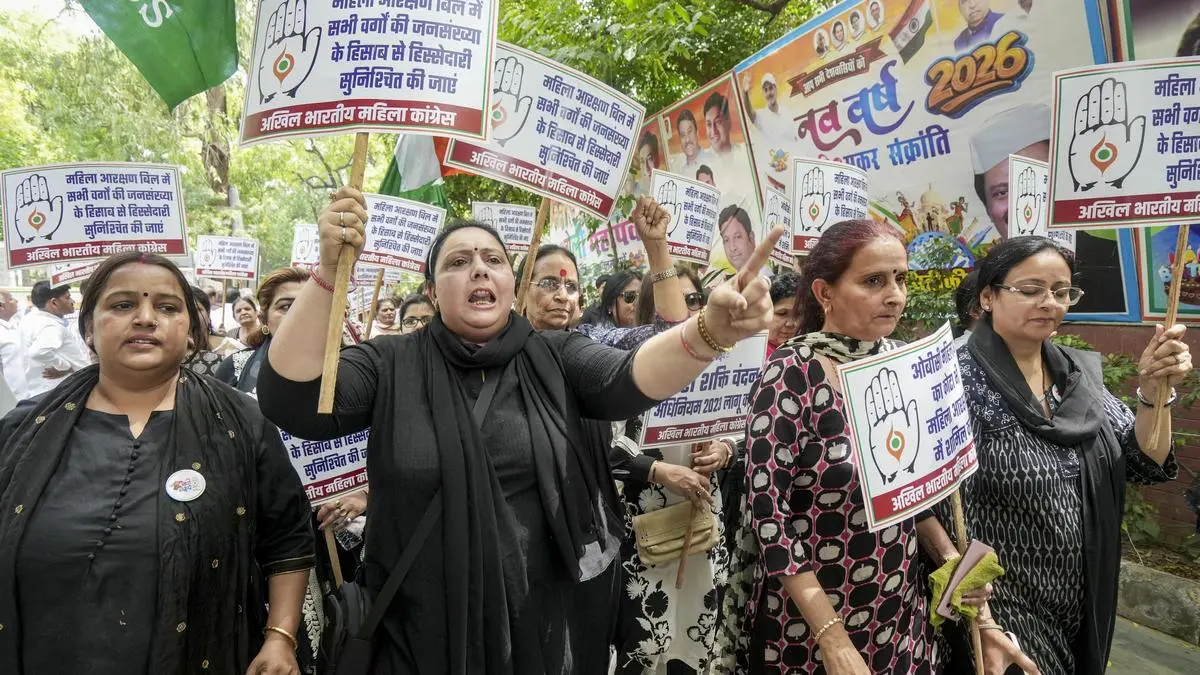
BJP's Misunderstanding of Women's Quota Needs
The BJP's linking of the Women Reservation Bill to delimitation risks delaying women's empowerment in India, misreading the aspirations of female voters.
India
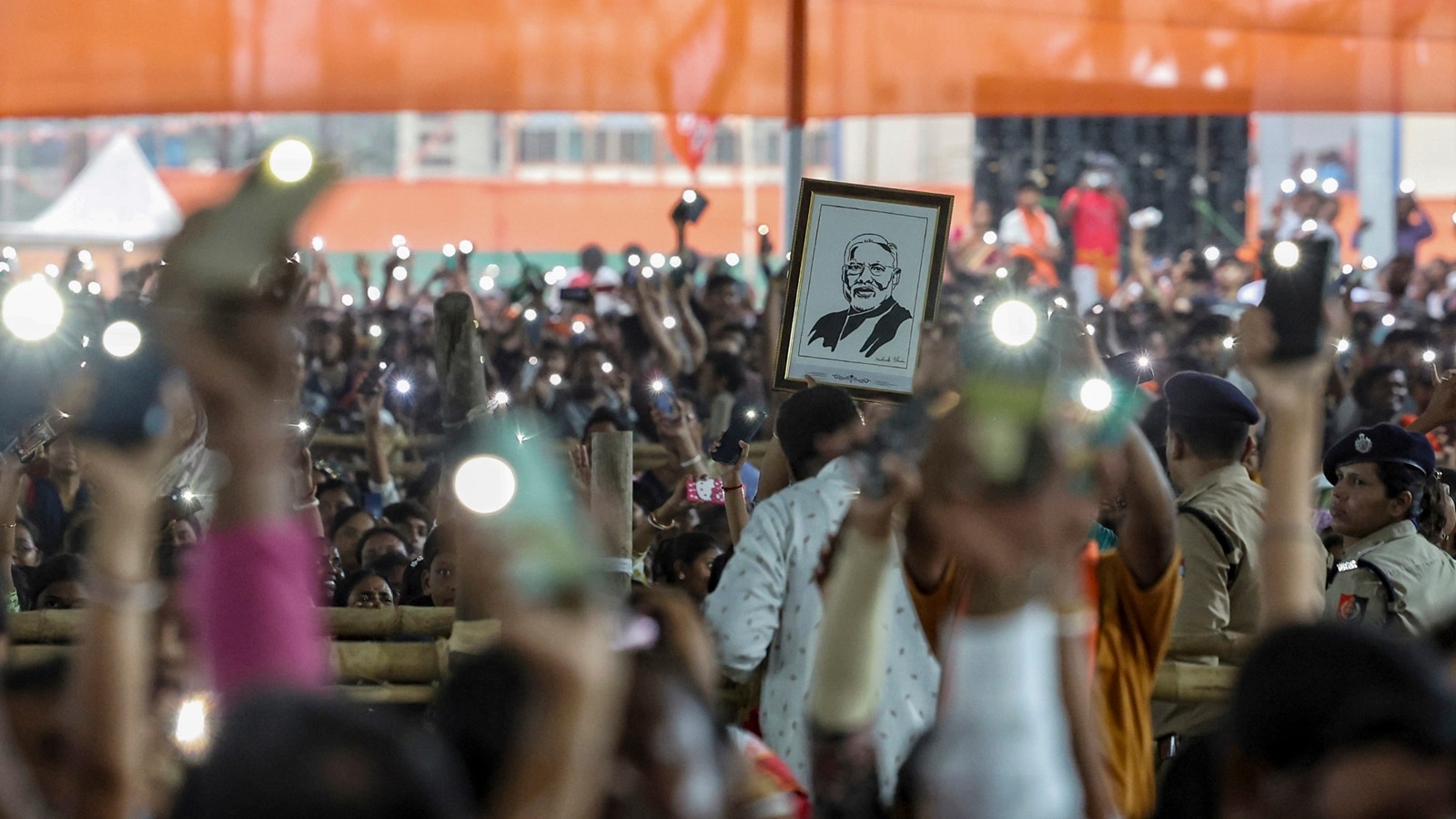
Modi's Women’s Convention in Varanasi
Modi's Varanasi rally frames women's reservation as a national mission, targeting the 2027 Uttar Pradesh elections with a strategic narrative.
India
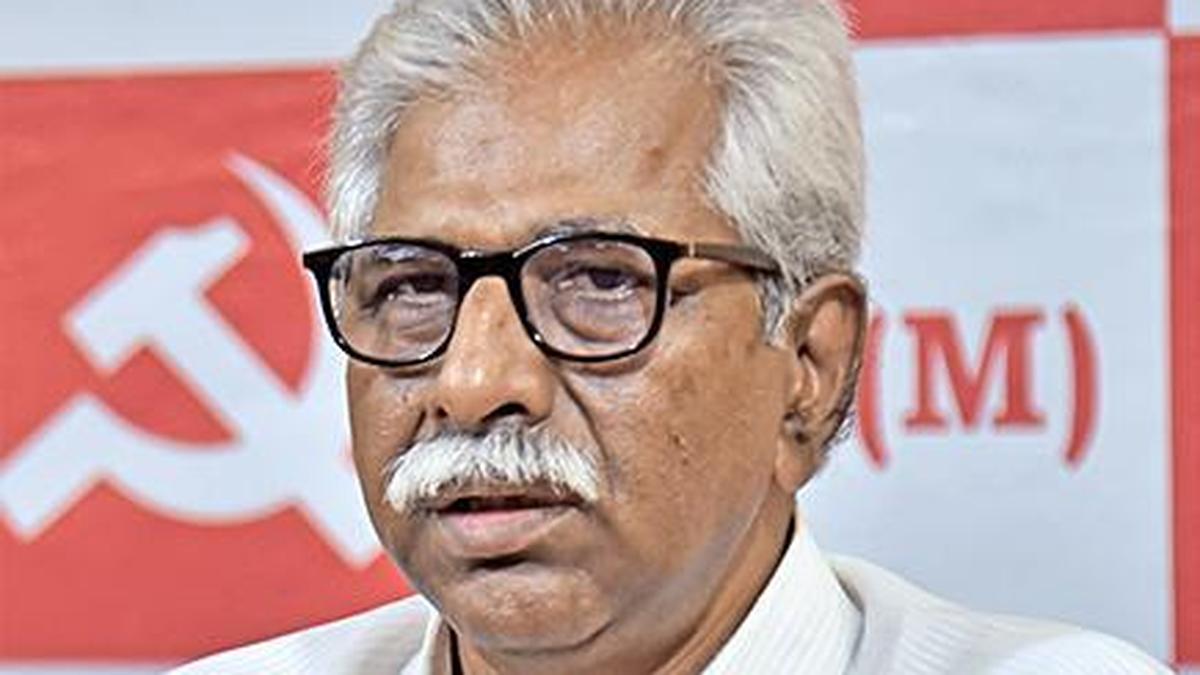
CPI(M) Calls to Decouple Quota from Delimita
CPI(M) advocates for a 33% women's quota in Lok Sabha by 2029, removing the need for delimitation and census linkage.

Conflict & Security
Drone Warfare Killing Aid Workers at Unprec
Over 1,000 humanitarian workers killed in three years as cheap armed drones collapse legal protections. Gaza, Sudan, Ukraine, and DRC see deliberate targeting of aid convoys and hospitals with zero prosecutions.