Gas Price Shock Hits Low-Income Americans
Low-income drivers cut trips but spend more on gas.
Model Diplomat3 min readNorth America

Gas Price Shock Deepens America’s K-Shaped Economy
New Fed data show low-income drivers cut trips but still spend more, while richer households absorb higher prices—widening the gap.
Lower-income Americans are taking the hit where they have the least room to move. In March, after the Iran war pushed gasoline prices up about 25%, households earning under $40,000 cut fuel consumption by 7% but still spent 12% more at the pump, according to a Federal Reserve Bank of New York study reported by AP News and
CNBC. High-income households, by contrast, increased gas spending 19% and cut consumption by only 1%, a sign that price shocks are biting hardest at the bottom of the income ladder.
The leverage at the pump
This is not just a consumer story; it is a distributional one. Gasoline is one of the few expenses that cannot be postponed for long, so when prices spike, households reveal very different levels of resilience. Wealthier drivers can absorb the shock with minimal behavioral change. Lower-income drivers have to respond by carpooling, combining errands, using transit where available, or simply driving less — all of which are signs of constraint, not preference, according to the New York Fed findings cited by AP News.
That is why the report matters politically. The U.S. economy can look healthy in aggregate — low unemployment, solid growth — while large parts of the electorate experience it as a squeeze. The “K-shaped” label captures that split: households with assets and higher incomes keep moving up, while those closer to the margin fall back. AP News notes that the gap was larger than during the 2022 Russia-Ukraine energy spike, when stimulus checks and stronger household balance sheets softened the blow for poorer families.
Why it matters for policy
The immediate loser is low-income mobility. Gas now consumes a far larger share of income at the bottom than at the top: the Bank of America Institute, cited by AP News, found that one-tenth of households in the poorest third are spending 10% of income on gas, versus 2.7% for higher earners. That does not just depress discretionary spending; it can affect work hours, commuting choices, and access to services.
The beneficiary is less obvious but real: households with financial cushions, including stock and home equity gains, can treat the spike as an annoyance rather than a budget event. That widening gap is why gasoline inflation quickly becomes a broader political liability. It is visible, immediate, and regressive — the kind of price move that shapes how voters judge the economy long before macro indicators do.
What to watch next
Watch whether pump prices stay elevated into late May and whether the New York Fed and private-card data show a second month of cutbacks in low-income discretionary spending. If that happens, the economic drag will spread beyond fuel and into retail, dining, and travel. The next key date is the next round of consumer inflation data, which will show whether this is a temporary energy shock or a more durable squeeze on lower-income households.
Discover more
US Politics
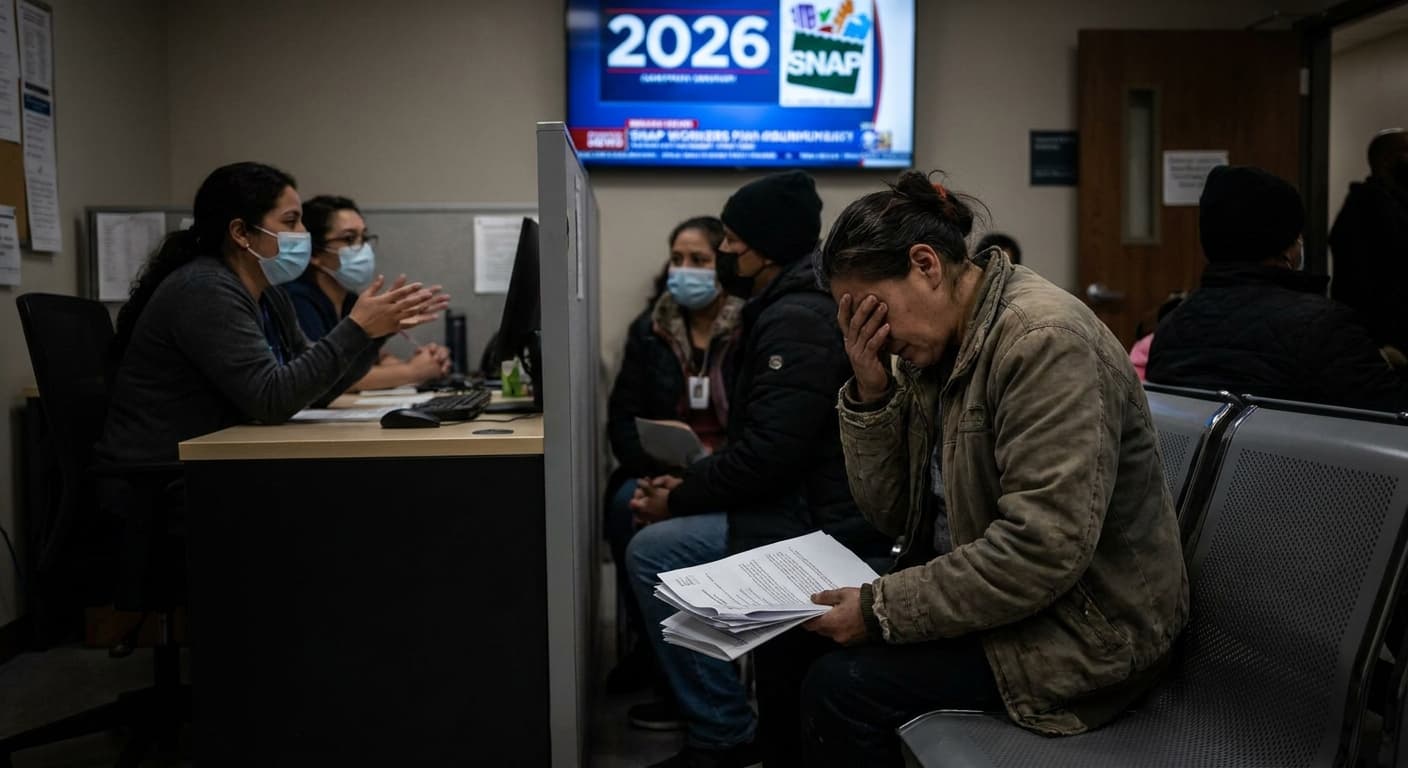
SNAP Food Assistance Faces Legal Challenges
In 2026, SNAP faces stricter eligibility rules and mounting legal challenges, threatening food assistance for the millions of Americans who rely on the program.

US Politics
Next Generation Republicans
A leaked survey shows 39% of Republicans under 30 do not identify as MAGA, revealing a split in the GOP's future leadership.

Conflict & Security
Drone Warfare Killing Aid Workers at Unprec
Over 1,000 humanitarian workers killed in three years as cheap armed drones collapse legal protections. Gaza, Sudan, Ukraine, and DRC see deliberate targeting of aid convoys and hospitals with zero prosecutions.

Global
World Normalises Taliban as Afghan Women Eras
UN data shows Afghan women erased from public life as Russia recognises the Taliban, EU hosts officials in Brussels, and ICC warrants for gender persecution go unenforced.