G7 Minerals Push
G7 seeks to reduce reliance on China for critical minerals.
Model Diplomat3 min readEurope

G7 Minerals Push Shows Supply Chains Are Now Geopolitics
Paris talks expose the real leverage fight: the G7 wants to cut dependence on China’s minerals, but the U.S. tariff threat is still the bigger coercive tool in the room.
G7 trade ministers are meeting in Paris this week to search for common ground on critical minerals, with France using its rotating presidency to push a supply-chain agenda that goes well beyond standard trade talk, according to Reuters and
France 24. The immediate issue is leverage: the G7 wants to reduce dependence on countries that dominate mining and processing of rare earths, while also trying to keep the bloc aligned ahead of the June 15-17 leaders’ summit in Évian,
Reuters reports.
The minerals agenda is really an economic-security agenda
The political value of this meeting is not in a communiqué. It is in the attempt to build a Western mineral stack that can survive geopolitical pressure. France is urging a model built around groups of producing, processing and consuming countries committed to “good practices,” while the G7 is also weighing industrial overcapacity and WTO reform, France 24 reports. That matters because critical minerals sit inside defense systems, EV batteries, chips and magnets; whoever controls processing can slow everybody else down.
That is why the reference point in Europe is China, even when officials avoid naming it directly. RFI says ministers are discussing how to reduce exposure to Chinese raw materials, and France is backing rare-earth processing capacity at Lacq to rebuild an end-to-end value chain.
BBC adds the structural problem: around 70% of rare-earth mining and 90% of refining still happens in China, leaving Europe with very limited processing capacity.
France wants coordination; the U.S. is setting the harder terms
The deeper power imbalance is that the United States is not just a buyer in this system; it is using tariffs as a separate pressure channel. Trump’s threat to raise tariffs on EU cars to 25% from 15% sits outside the G7 minerals discussion, but it shapes the entire atmosphere, Reuters reports. Germany has the most to lose here: its auto sector is already under strain from weaker Chinese demand, slower global growth and higher input costs,
Reuters says.
That split is the key takeaway for policymakers watching Global Politics. Europe wants a rules-based coalition to diversify supply. Washington wants bilateral leverage and domestic industrial gains. Those goals overlap on minerals, but not on method. In practice, that means France can host the conversation, but the United States still has the sharper tool.
What to watch next
The next decision point is whether the G7 can turn this week’s Paris discussions into concrete coordination before the leaders’ summit in Évian on June 15-17, France 24 reports. Also watch the separate U.S.-EU contacts in Paris: if Jamieson Greer and Maros Sefcovic narrow the auto-tariff dispute, it will lower the temperature around the broader trade agenda. If they do not, the minerals track will look less like collective strategy and more like defensive hedging by
the United States and its partners.
Discover more
International Relations
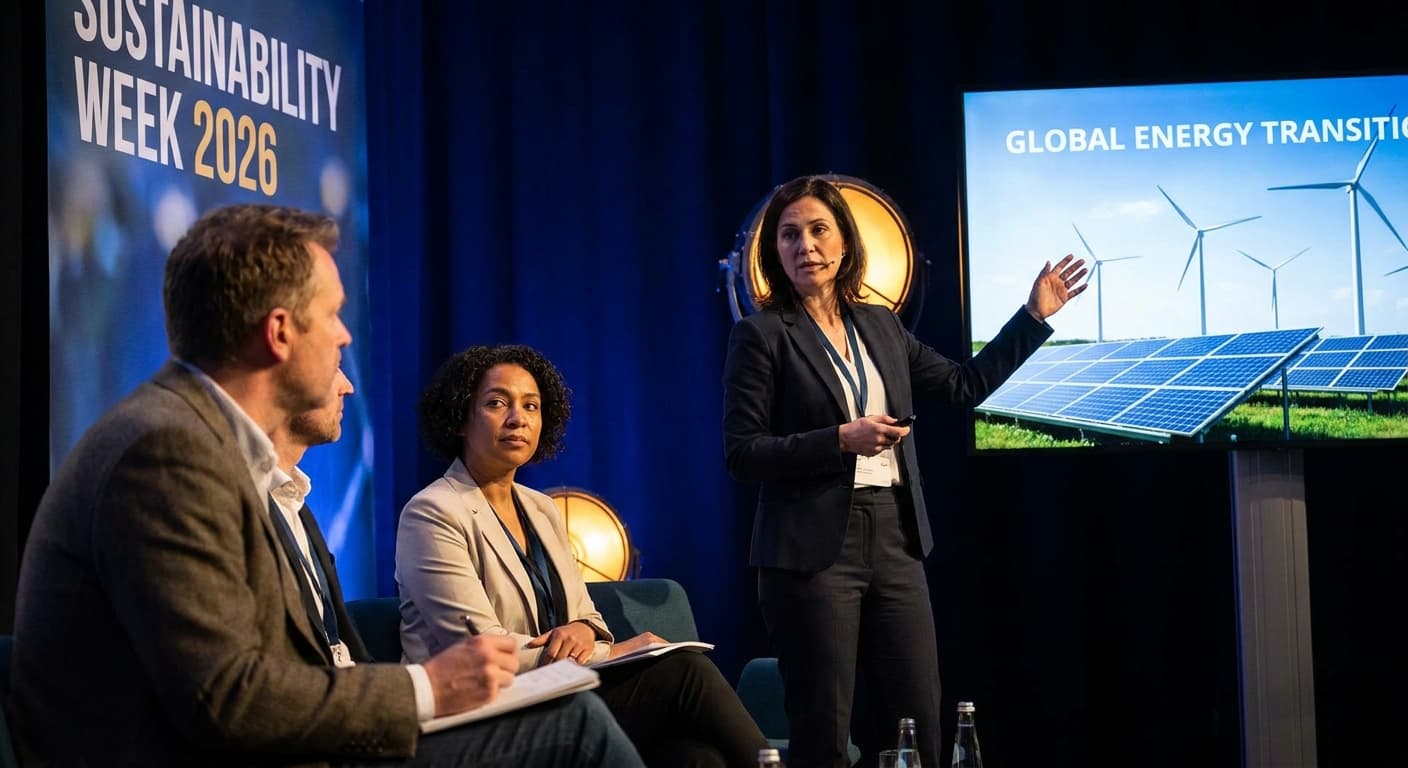
Economist Impact Sustainability Week 2026
Economist Impact Sustainability Week 2026 spotlights the energy transition, AI in clean technology, and supply chain resilience as themes for global leaders.

Global Politics
US Seizes Iranian Ship, Tensions Surge
The US seizure of the Iranian ship Touska highlights a shift in control over the Strait of Hormuz, favoring Iran's strategic position.

India
India-South Korea $50B Trade Expansion Plan
India and South Korea target $50 billion in bilateral trade by 2030, focusing on industrial cooperation and strategic alignment amid US pressures.

Conflict & Security
Drone Warfare Killing Aid Workers at Unprec
Over 1,000 humanitarian workers killed in three years as cheap armed drones collapse legal protections. Gaza, Sudan, Ukraine, and DRC see deliberate targeting of aid convoys and hospitals with zero prosecutions.