G-7 Faces Reckoning Over China’s Currency
Debate on Beijing's currency interventions heats up before G-7 summit.
Model Diplomat2 min readEurope
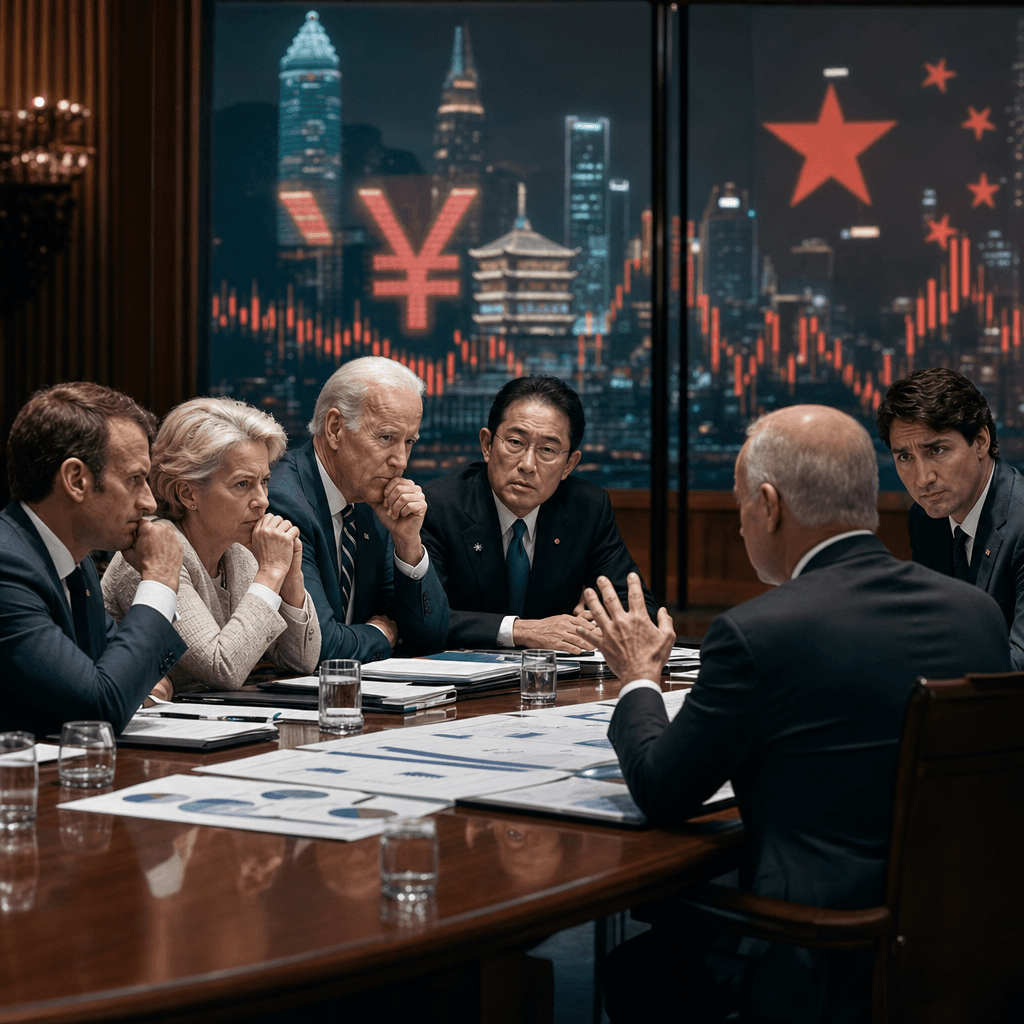
G-7 Faces Reckoning Over China’s Masked Currency Subsidies
As G-7 leaders prepare to meet in France, a debate over Beijing’s hidden currency interventions exposes the limits of Western trade policy.
G-7 leaders are scheduled to gather on June 15, 2026, in Évian, France, under pressure from French President Emmanuel Macron to address ballooning trade imbalances. Writing in Foreign Affairs, economists Brad Setser and Shahin Vallée warn that the West is ignoring the structural driver of these imbalances: the systematic undervaluation of East Asian currencies, particularly China's renminbi. While Washington and Brussels rely on defensive tariffs, Beijing’s state financial apparatus is actively blunting these measures. By keeping its currency weak, China effectively subsidizes its exporters, expanding its market share across automotive, chemical, and machine-tool sectors at the expense of European and American manufacturers.
The leverage in this dynamic lies not in traditional currency manipulation, but in a highly coordinated, opaque shadow financial network. Historically, direct intervention by the People's Bank of China (PBOC) registered clearly in official foreign exchange reserves. Today, however, China's central bank keeps its formal balance sheet flat while directing state-owned commercial banks to absorb foreign currency. Analysis by the Council on Foreign Relations indicates that these state banks have accumulated hundreds of billions of dollars in offshore assets, masking the true scale of capital flows. By acting as a buffer against market appreciation pressures, these state institutions hold the renminbi down, ensuring that China's massive $1.2 trillion trade surplus continues to flood
International markets without triggering a currency revaluation.
The primary beneficiaries of this system are Chinese state-backed industrial giants, while the losers are manufacturing hubs in Europe and North America. Yet, G-7 leaders are reluctant to launch a coordinated currency offensive. For the United States, a formal focus on exchange-rate warfare would draw unwanted scrutiny to its own expansionary fiscal policies and massive domestic investment boom, which also distort global capital flows. For European nations, bringing currency diplomacy to the forefront risks exposing internal divisions within the Eurozone’s financial architecture. Consequently, the International Monetary Fund and Western governments have preferred to issue cautious warnings rather than confront Beijing directly over its monetary architecture.
The key decision point arrives at the G-7 summit, where Macron will push for a unified stance on trade imbalances. The metric that matters is whether the G-7’s final communiqué explicitly links Chinese industrial overcapacity to exchange-rate management. If the summit sidesteps currency diplomacy, focus will shift to the U.S. Treasury's upcoming foreign currency report in late 2026. Having warned in its January report that a lack of transparency would not prevent a formal "currency manipulator" designation, the Treasury now faces a choice: weaponize the designation to force a revaluation, or allow Beijing’s backdoor intervention to remain unchallenged.
Discover more
India
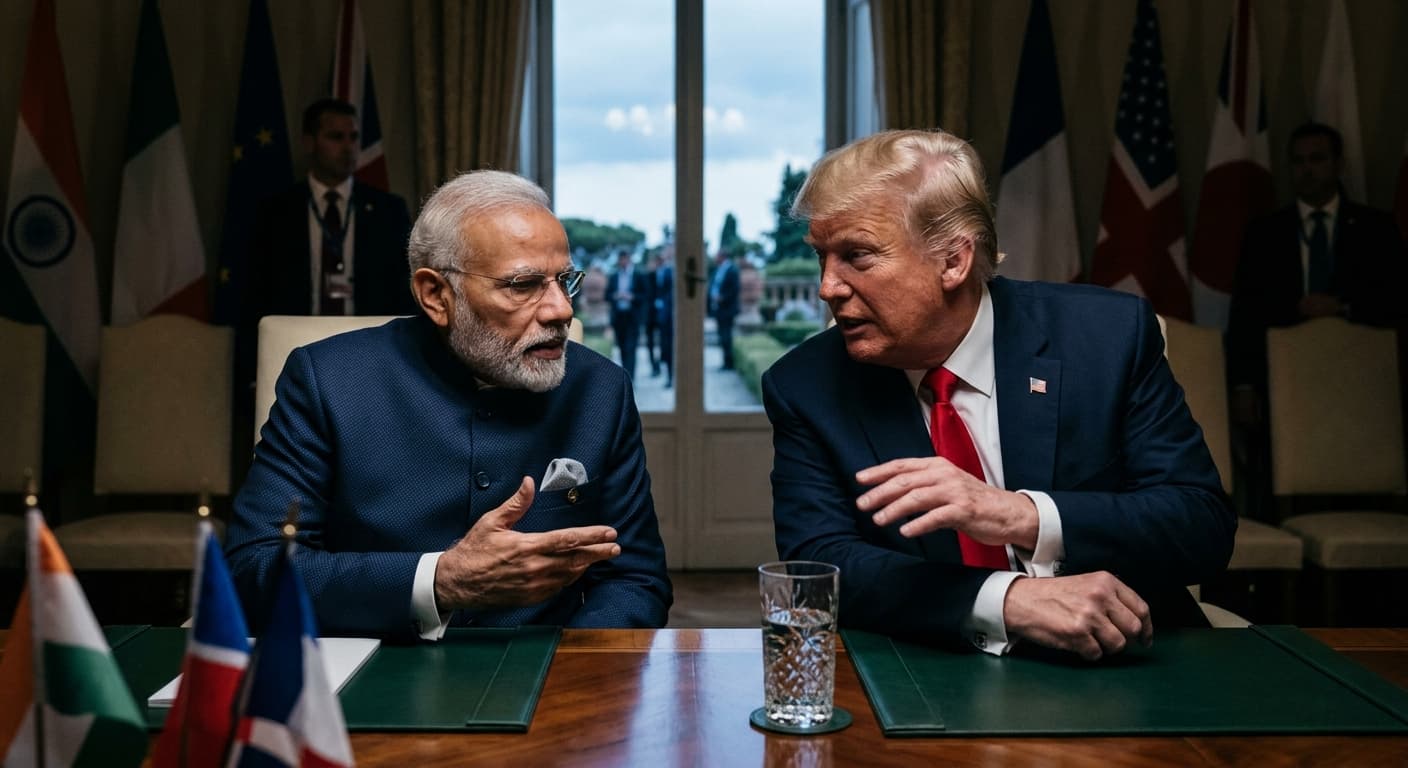
Modi's Trade Gamble at G7: Trump's Warmth
Modi and Trump's warm G7 meeting masks rising trade-deal tensions, as US tariff threats test India's negotiating leverage and the future of bilateral commerce.

Conflict & Security
West Bets on Grassroots for Mideast Peace
Grassroots groups urge the G7 to intervene as the two-state solution falters, betting on civil society to revive a stalled Israeli-Palestinian peace process.

Conflict & Security
G7 Minerals Push
G7 trade talks in Paris spotlight the geopolitical stakes of critical mineral supply chains, as allies seek to reduce dependence on China and secure access.
Global Politics
Iran Rejects US Ceasefire, Escalates Conflict
Iran rejected a U.S. ceasefire plan, escalating its conflict with Israel, raising the risk of wider war and threatening global oil security and energy markets.