Iran Rejects US Ceasefire, Escalates Conflict
Iran's hardline stance complicates regional security dynamics.
Model Diplomat2 min readMiddle East

Iran Escalates Regional Conflict Amid G7 Sanctions Threat
Iran rejects U.S. ceasefire plan and counters with hardline demands amid intensifying Israel-Iran hostilities and looming sanctions.
Iran’s political and military posture hardened sharply on April 19, 2026, as it dismissed a U.S.-backed ceasefire proposal and unveiled its own counterplan demanding cessation of killings of Iranian officials, security guarantees, reparations, and sovereignty over the Strait of Hormuz. This comes amid a crescendo of hostilities after Iran’s recent drone and missile attacks on Israel, provoking Israeli airstrikes on Iranian military targets near Isfahan and southern Syria. The G7 foreign ministers warned of new sanctions against Tehran if tensions escalate further, urging restraint from all parties.
Why This Matters: Regional Security and Global Stakes
Iran’s outright rejection of the American ceasefire plan signals a consolidation of its hardline stance, complicating U.S. and international diplomatic efforts to de-escalate the conflict which risks expanding beyond Gaza and Israel to engulf broader Middle Eastern fault lines. The demands Iran put forward—especially on sovereignty over the Strait of Hormuz—carry major implications for global oil transit and maritime security, with potential to disrupt energy markets worldwide.
The violence has broader regional consequences: cross-border Israeli strikes and Iranian retaliations now extend into Syrian and Iraqi theaters, exemplified by the Israeli strike on an Iranian-aligned militia base near Baghdad, increasing the risk of multi-front escalation. The ongoing conflict also strains U.S. and allied foreign policy bandwidth, as Washington juggles support for Israel, containment of Iran, and hostilities in neighboring regions.
Parallel to the battlefield dynamics is the financial and political squeeze from the G7’s sanction threats, aimed at curbing Tehran’s military capabilities. Reports indicate intense damage to Iranian naval and missile infrastructure, with over 10,000 targets struck by U.S. and Israeli operations, further weakening Iran’s strategic options but also hardening Tehran’s resolve.
What to Watch Next
- Iran’s diplomatic responses and behavior in negotiations: Will Tehran moderate if sanctions bite, or double down on its current demands?
- Israeli and U.S. military strategy: Further strikes on Iran could provoke wider direct conflict.
- Responses from regional actors and global powers: The stance of Russia, China, and Gulf states could shape conflict trajectories and potential mediation.
- Impact on maritime security in the Strait of Hormuz: Disruptions here will have significant ripple effects on oil prices and supply chains.
- G7 and UN engagement: Whether international diplomatic pressure and sanctions can compel de-escalation or merely entrench divisions.
This new phase marks a dangerous intensification of the Iran-Israel confrontation embedded within the larger Gaza war context. The geopolitical stakes are high, with potential spillover threatening regional stability and global energy security alike.
For broader context on Iran’s role in Middle Eastern geopolitics, see Global Politics and Iran’s profile at
Iran.
Sources:
AP News — World leaders call on Iran and Israel to avoid conflict escalation
AP News — Iran dismisses US ceasefire plan and issues counterproposal
AP News — G7 warns sanctions on Iran after attack on Israel
Discover more
Global
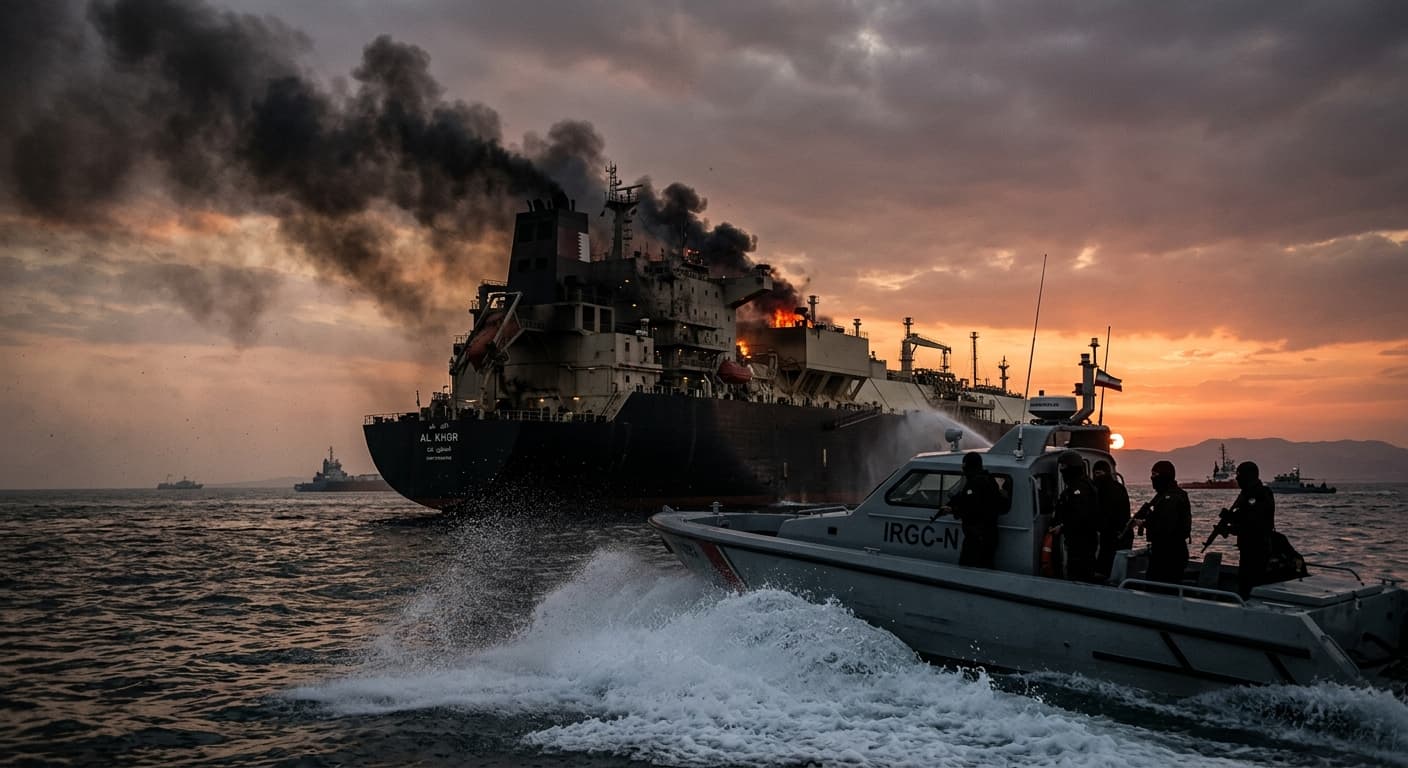
Qatari Tanker Strike Exposes Hormuz Tensions
A Qatari tanker was struck off Oman, revealing the fragility of the Hormuz ceasefire and Iran's influence over maritime security.
Global
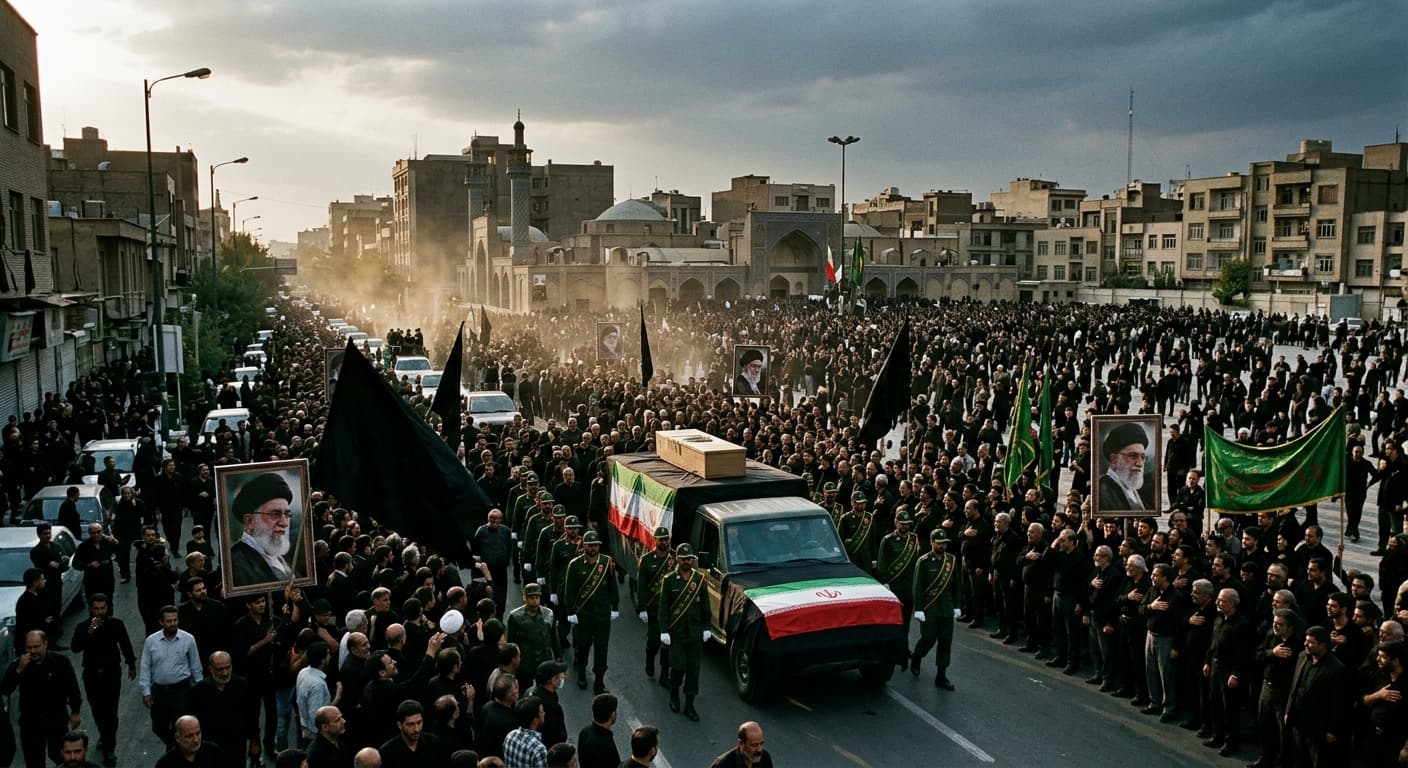
Khamenei's Funeral Signals Iran's Decline
The funeral of Ayatollah Khamenei highlights Iran's diminished influence in the Gulf, with regional powers now dictating terms.
Global
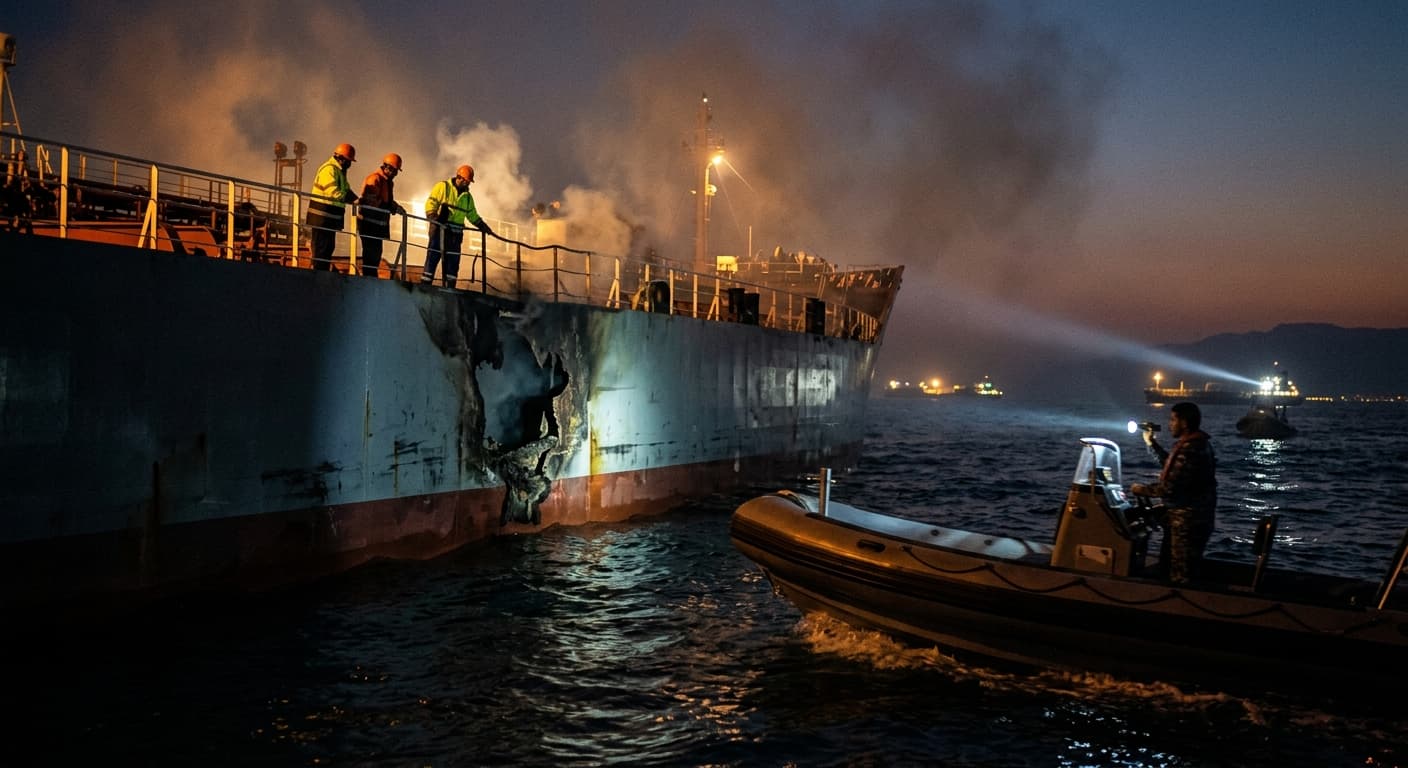
Iran's Hormuz Missile Strikes: A Toll Booth
Iran's missile attack on a Qatari-linked tanker highlights Tehran's strategy to control the Strait of Hormuz, impacting Gulf states and maritime law.

Tech Policy
Iran's Cavern Manticore Targets Israel's IT
Cavern Manticore, an Iran-linked hacking group, targets Israeli IT vendors, prompting a shift in Israel's cybersecurity policy and legislative efforts.