Fenglin Snail Race
Snail races in Fenglin promote slow living and cultural resilience.
Model Diplomat2 min readAsia
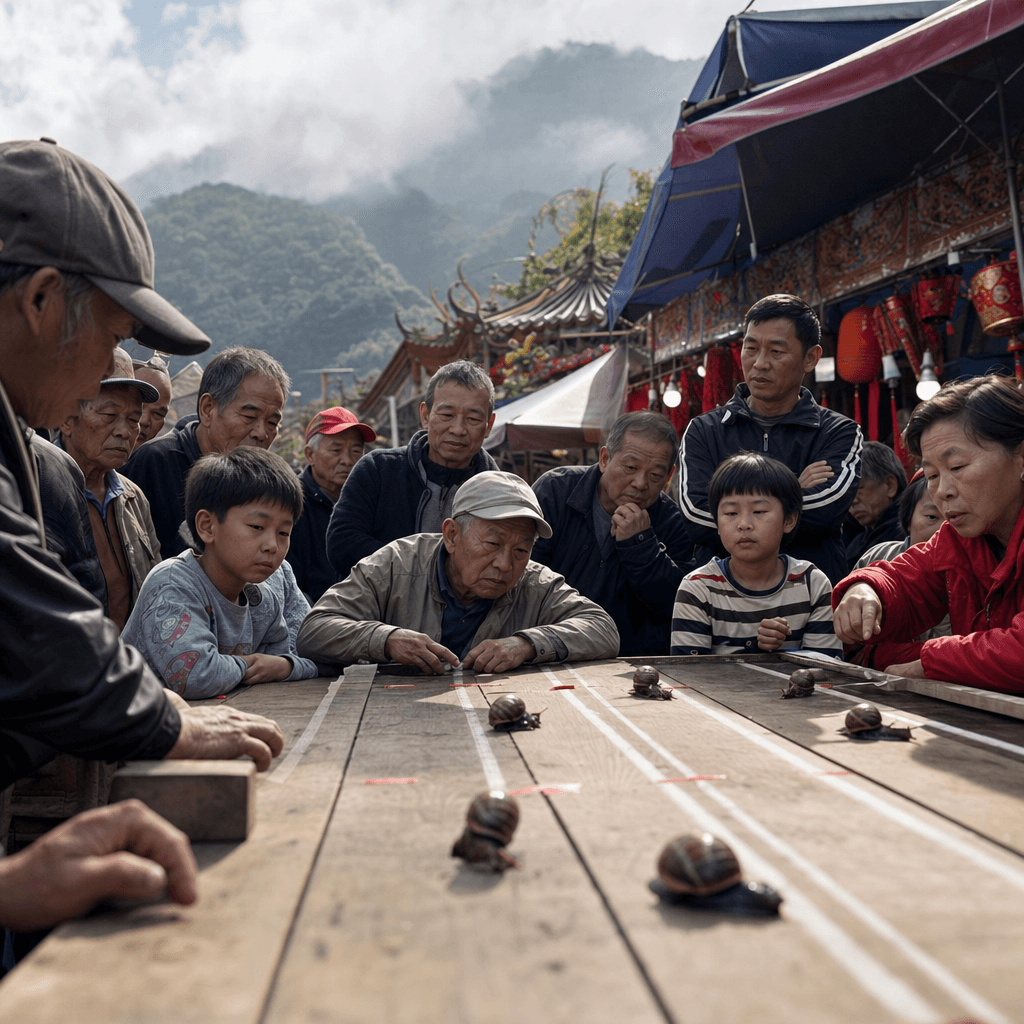
Fenglin Snail Race: Cultural Assertion in Taiwan's East
Taiwan's Fenglin town bets on snail races to revive rural charm and promote "slow living," a subtle form of cultural resilience against geopolitical headwinds.
Fenglin, Taiwan — The quiet agricultural town of Fenglin in Hualien County is leveraging an unusual spectacle — snail races — to promote its unique brand of "slow living." This annual festival, inaugurated on May 4th, 2026, transforms the humble gastropod into a mascot for rural revitalization and a deliberate counterpoint to the rapid pace of modern life. [Source: AP News] The initiative aims to draw visitors seeking tranquility and foster a renewed appreciation for local culture and produce.
The Geopolitical Undercurrent
This seemingly whimsical event holds subtle relevance within Taiwan's broader strategy of asserting its distinct identity and strengthening societal cohesion. In an era of persistent geopolitical pressure, the focus on local culture, sustainable living, and community engagement acts as a form of grassroots resilience. By highlighting unique traditions and fostering rural appeal, towns like Fenglin contribute to Taiwan's soft power by showcasing a vibrant, democratic society that values quality of life and local heritage, distinct from its authoritarian neighbor. [Source: Diplomat - Global Politics] This cultural affirmation bolsters national morale and presents an image of a self-assured nation.
The "slow living" movement, with its emphasis on mindful consumption and local economies, directly addresses potential vulnerabilities in rural areas, such as out-migration and economic stagnation. By creating new economic opportunities through tourism and local product promotion, these initiatives can enhance community security and sustainability. The snail race, therefore, moves beyond a simple tourist gimmick to become a symbol of a community actively shaping its own future and asserting its viability independent of external forces.
What to Watch Next
The success of Fenglin's snail race festival will be measured by its sustained impact on local tourism revenue and community participation. Policymakers will monitor whether this model of cultural-driven rural development can be replicated in other Taiwanese towns facing similar challenges. Crucially, its longevity will depend on its ability to continuously engage both residents and visitors, solidifying its status as a genuine cultural cornerstone rather than a fleeting novelty. The next crucial period to observe will be the town's performance during the upcoming peak tourist seasons, particularly over the next 12-18 months.
Discover more
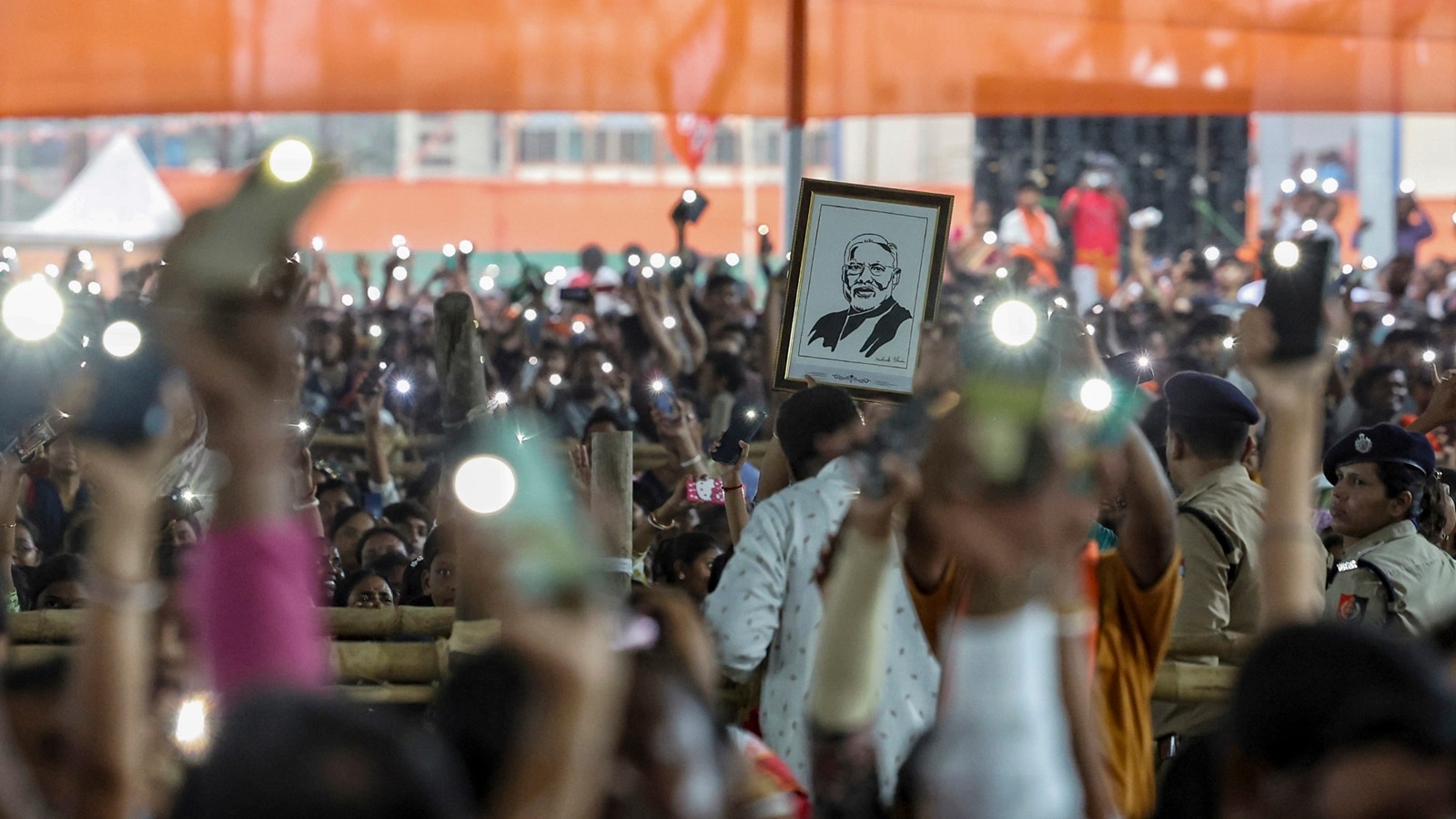
India
Modi's Women’s Convention in Varanasi
PM Modi's upcoming women’s convention in Varanasi aims to boost support ahead of West Bengal elections, highlighting women's empowerment initiatives.

International Relations
Pakistan's Key Role in US-Israel-Iran Meddle
Pakistan seeks to mediate in the US-Israel-Iran conflict, balancing diplomacy and economic pressures while facing significant challenges.
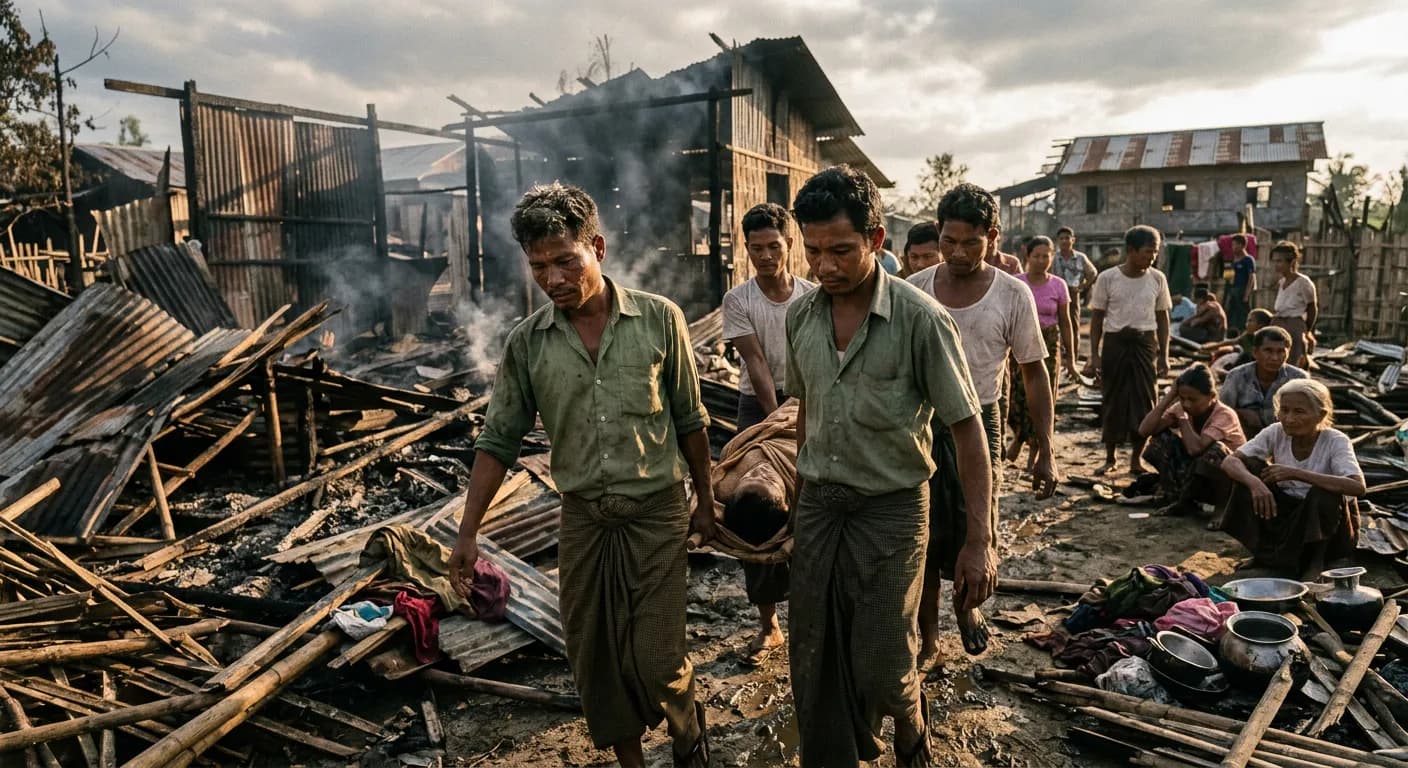
Conflict & Security
Kyauktaw Airstrike: Junta Tactics in Rakhine
Myanmar military airstrike in Kyauktaw kills at least seven civilians, reflecting a desperate strategy against ethnic opposition.
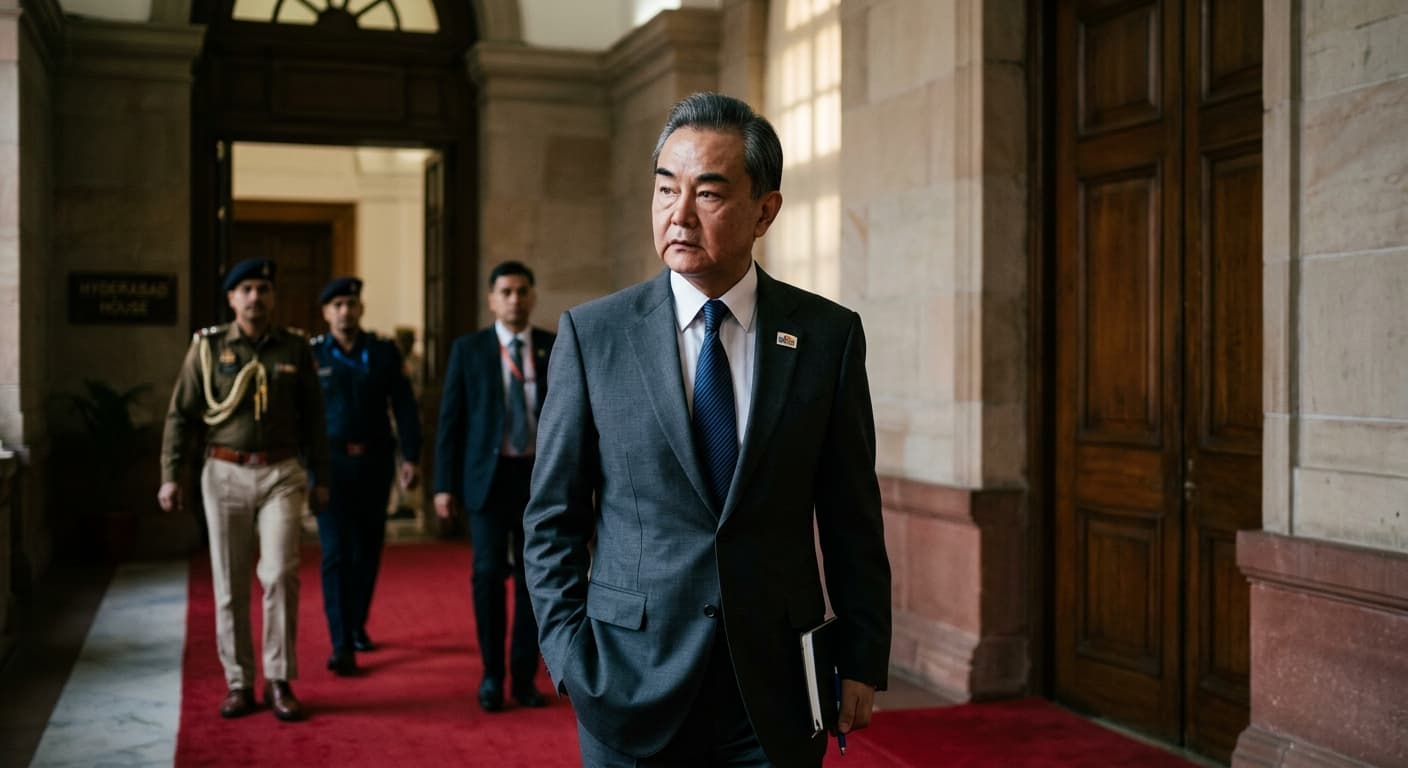
India
Wang Yi's Delhi Trip Signals China's Play
Wang Yi's visit to India highlights China's strategic positioning in BRICS.