Ethiopia and UAE Accused of Deepening Sudan’s War
Ethiopia and the UAE are accused of fueling Sudan’s civil war through arms, funding, and political support, stretching regional alliances and complicating any ceasefire.  Source: BBC News Somali
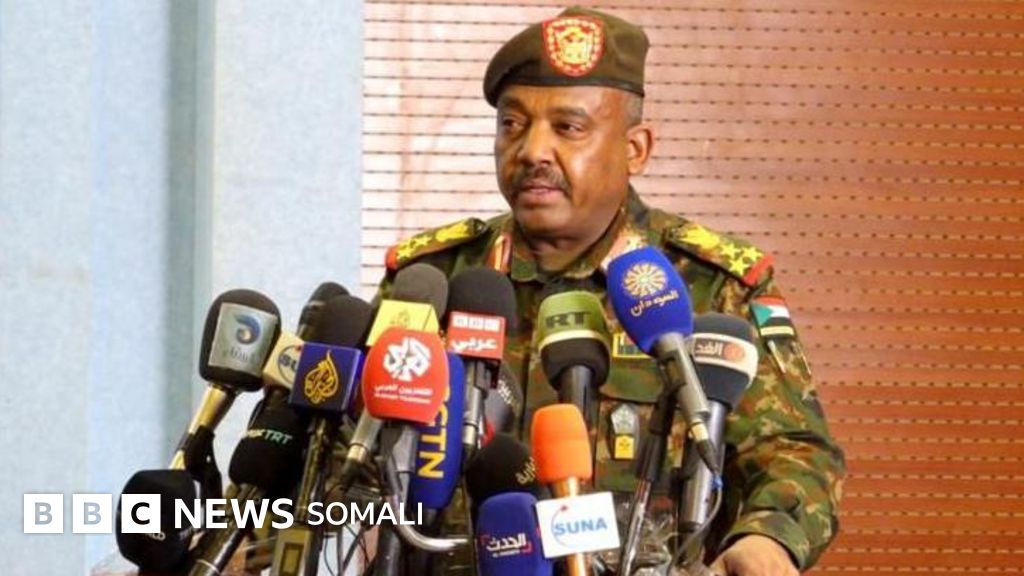
Accusations that Ethiopia and the United Arab Emirates (UAE) are deepening Sudan’s war have sharpened regional fault lines and undercut international mediation efforts. The BBC Somali report outlines claims from Sudanese actors and regional observers that Emirati financial and weapons support, combined with Ethiopian military or logistical cooperation, is enabling continued fighting rather than a negotiated settlement. Source: BBC News Somali
Pattern of Regional Sponsorship
Analysts have long argued that Sudan’s war is not a purely domestic conflict but a proxy battleground for regional powers. The UAE has been accused of providing financial and potentially military backing to Sudan’s Rapid Support Forces (RSF), including alleged shipments of weapons and use of Sudan’s Red Sea–adjacent ports and airspace. Source: BBC News Somali Odds Against Peace, a research group tracking the conflict, has documented how foreign support prolongs the RSF’s ability to hold key cities and blockade humanitarian corridors, even as Sudan’s formal armed forces retreat. Source: BBC News Somali
Ethiopia’s role is more ambiguous but equally consequential. The BBC Somali piece highlights reports that Addis Ababa is tolerating or even facilitating the flow of arms and supplies across its long border with Sudan, particularly in the eastern regions. Source: BBC News Somali Given Ethiopia’s own internal security challenges and its dependence on Red Sea trade routes, any direct involvement would suggest a trade‑off: short‑term security gains at the cost of regional instability and reputational damage.
Strategic Interests at Stake
The UAE’s stakes are clear: influence over Sudan’s ports, trade routes, and potential military facilities along the Red Sea corridor. A friendly force in Khartoum or at least a pliant administration in eastern Sudan would lock in Abu Dhabi’s leverage in a region already contested by Egypt, Saudi Arabia, and Turkey. Source: BBC News Somali Sudan’s strategic location also makes it attractive for UAE‑linked firms seeking infrastructure and agricultural contracts, which often move in lockstep with security arrangements.
For Ethiopia, the calculus is more about border security and regional leverage. Addis Ababa has long feared the spread of jihadist or militia networks across the Sudan–Ethiopia frontier, especially after the collapse of state authority in western and eastern Sudan. Source: BBC News Somali Yet engaging one side of Sudan’s war risks entrenching Ethiopia as a co‑belligerent rather than a neutral mediator, undermining its participation in Kenyan‑led or Intergovernmental Authority on Development (IGAD)‑backed peace initiatives.
Humanitarian and Diplomatic Fallout
The humanitarian impact is stark. Aid agencies report that sustained fighting, enabled by continued external support, has blocked food and medicine from reaching millions, particularly in Darfur and the Nuba Mountains. Source: BBC News Somali Accusations that the UAE and Ethiopia are complicit dilute trust in any future ceasefire and may push displaced communities to see regional actors as part of the problem rather than the solution.
On the diplomatic front, the allegations put African Union and Intergovernmental Authority on Development (IGAD) mediators in a difficult spot. If Abu Dhabi and Addis Ababa are indeed supporting one side, collective pressure will be harder to mount, and any peace deal could be undermined by hidden channels of funding and weapons. Source: BBC News Somali
What to Watch Next
The next critical test will be whether the AU or IGAD can compel greater transparency from Ethiopia and the UAE, including verifiable constraints on arms flows and financing. Source: BBC News Somali A related flashpoint will be the status of Sudan’s Red Sea ports and airspace, where any move toward formal Emirati or Ethiopian military presence would harden domestic opposition and draw sharper international scrutiny. Source: BBC News Somali Ultimately, the survival of a politically viable Sudan will depend less on battlefield outcomes than on whether the regional powers backing its war decide it is more profitable to end the conflict than to prolong it. Source: BBC News Somali