Escalating Tensions in the Strait of Hormuz
Iran's actions threaten global energy security and regional stability.
Model Diplomat2 min readMiddle East
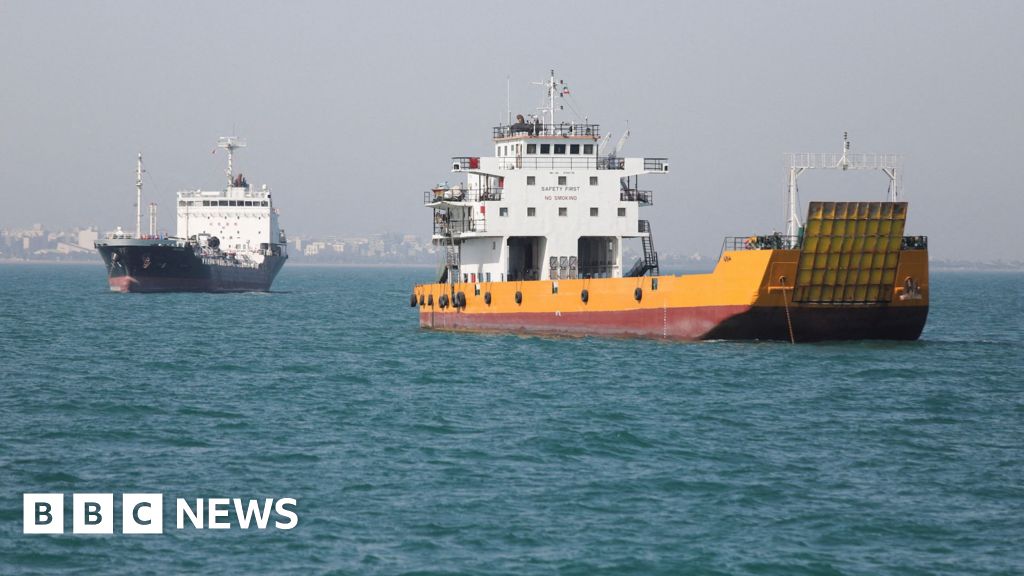
Strait of Hormuz Tensions Escalate, War Risk Grows
Recent standoffs in the Strait of Hormuz heighten global concerns over maritime security and a potential return to wider conflict in the Middle East.
Naval confrontations and heightened rhetoric around the Strait of Hormuz signal a dangerous escalation. Analysts are increasingly concerned that a series of maritime incidents, including vessel harassment and seizures attributed to Iran, could destabilize one of the world's most critical energy chokepoints, raising the specter of wider conflict.
Iran Leverages Strait Access Amid Sanctions Pressure
The primary actor here is Iran's Islamic Revolutionary Guard Corps (IRGC), which appears intent on leveraging its control over the Strait of Hormuz to exert pressure. Reports from April and May 2026 detail increased IRGC activities, including the seizure and harassment of commercial vessels. This strategy serves a dual purpose: to circumvent international sanctions by demonstrating disruptive capability and to extract concessions by raising the stakes for global energy markets. The IRGC gains leverage by increasing shipping insurance costs and creating uncertainty, potentially emboldening hardliners within Tehran and signaling defiance to regional rivals and the United States. This action underscores the persistent Global Politics dynamic where strategic waterways become arenas for statecraft under duress.
Global Energy Flows and Regional Stability at Risk
The immediate losers are global energy consumers and regional stability. The Strait of Hormuz is the transit route for approximately 30% of the world's seaborne crude oil. Heightened tensions translate directly into volatility in oil prices and increased operational risks for shipping companies. Countries heavily reliant on Gulf energy imports, such as China and India, face direct economic consequences. Furthermore, increased friction in this sensitive maritime zone elevates the risk of miscalculation, potentially drawing in external powers and leading to a broader regional confrontation that would devastate economies and undo years of fragile diplomatic efforts.
What to Watch Next: Naval Posturing and Diplomatic Backchannels
The immediate focus will be on the Biden administration's response beyond naval patrols and warnings. Whether the US opts for a more robust show of force, increased diplomatic pressure through international bodies, or a subtle de-escalation strategy will shape the trajectory. Key indicators include the frequency and severity of further IRGC interdictions and the nature of any reciprocation from the US Navy or its allies. The next decision point will likely emerge within the coming weeks as shipping traffic continues to navigate the Strait amidst heightened risks, potentially leading to a critical incident or a diplomatic breakthrough.
Discover more

Global Politics
US Seizes Iranian Ship, Tensions Surge
The US seizes the Iranian ship Touska near the Strait of Hormuz, escalating tensions and risking wider conflict in the region.

Conflict & Security
Kyauktaw Airstrike: Junta Tactics in Rakhine
Myanmar military airstrike in Kyauktaw kills at least seven civilians, reflecting a desperate strategy against ethnic opposition.
India
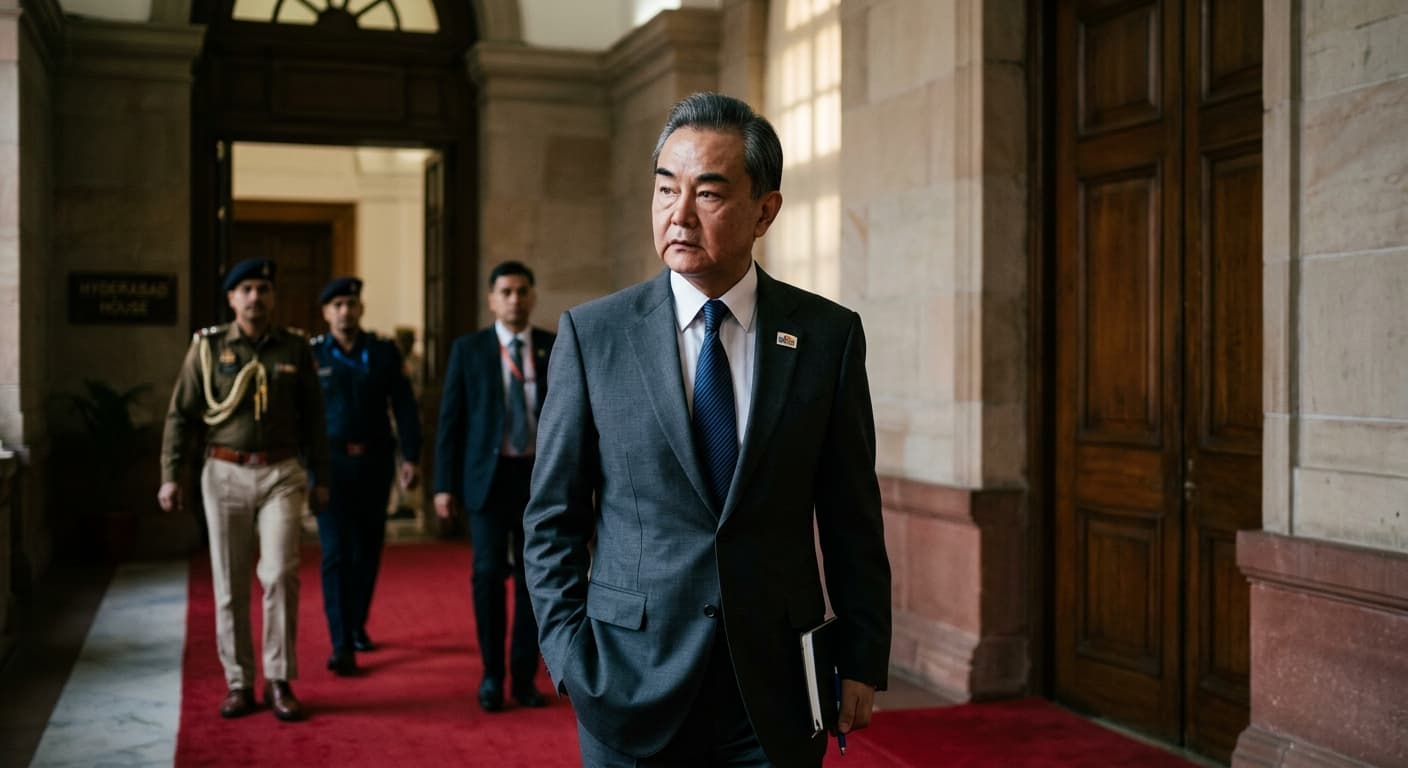
Wang Yi's Delhi Trip Signals China's Play
Wang Yi's visit to India highlights China's strategic positioning in BRICS.
Conflict & Security
Trump Signs Iran Ceasefire—But Issues Remain
Trump's Iran ceasefire halts conflict but leaves key issues unresolved.