DRC Ebola Outbreak and Vaccine Challenges
WHO faces hurdles in combating Ebola's Bundibugyo strain
Model Diplomat3 min readAfrica
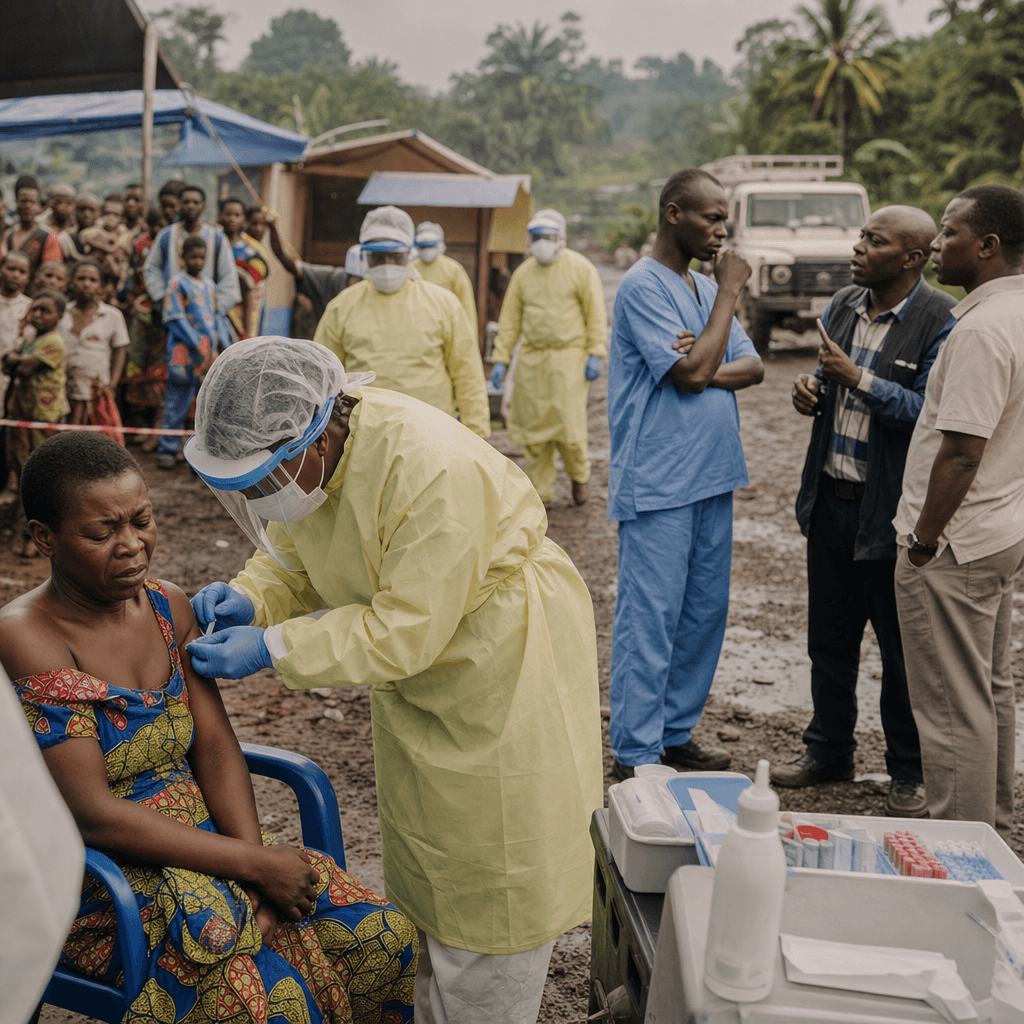
DRC’s Ebola Outbreak Exposes a Narrow Vaccine Shield
WHO is stuck with containment, not cure: the Bundibugyo strain driving the DRC outbreak has no approved vaccine or treatment, and the best candidates are still months away.
The World Health Organization is back to outbreak management’s oldest playbook in eastern Congo: isolate cases, trace contacts, and try to stop funerals and clinics from becoming amplifiers. CNN reported Tuesday that the fast-moving outbreak in the Democratic Republic of Congo is already the third-largest Ebola outbreak on record, yet there is still no approved vaccine or treatment for the strain behind it; BBC said WHO chief Tedros Adhanom Ghebreyesus has called it a public health emergency of international concern, not a pandemic emergency (CNN,
BBC).
Why the gap persists
The power dynamic is simple: the virus is exploiting a countermeasure gap built for a different Ebola species. The only licensed Ebola vaccine, Ervebo, was developed for the Zaire strain, which has been the dominant outbreak driver for years; CNN reported WHO scientists are not treating it as a top option here because there is “very little evidence” it protects against Bundibugyo (CNN). That is the core problem. Public health systems and drugmakers built a narrow shield against the most common strain, while rarer species were left underfunded and under-tested.
Scientific American made the strategic flaw plain: Bundibugyo has historically caused relatively few outbreaks, so it sat lower on the research priority list than Zaire, leaving no phase 1 vaccine candidate ready when this outbreak accelerated (Scientific American). The result is a familiar but costly delay: scientists can point to promising platforms, but they cannot skip manufacturing, safety data, and clinical-grade supply. BBC reported WHO adviser Vasee Moorthy said one leading candidate could still take six to nine months before doses are ready for human testing (
BBC).
That leaves the DRC’s health authorities and WHO relying on labor-intensive containment in a province that is hard to police and harder to vaccinate. CNN noted the epicenter is Ituri, a conflict-affected area where logistics are difficult and IV-administered medicines are especially cumbersome (CNN). In other words, the outbreak is not only a biomedical problem; it is an access problem.
Who gains leverage now
The immediate leverage sits with institutions that can move supplies, not with those chasing a new vaccine. Regeneron told CNN it has made its approved Ebola treatment available for free in past outbreaks and is coordinating with the U.S. Department of Health and Human Services to make a triple-antibody product available now, while WHO is prioritizing trials of Regeneron’s antibody cocktail, Mapp’s MBP134, and an oral antiviral concept related to remdesivir (CNN). That is the near-term answer: repurpose what exists, even if it was not built for this strain.
For Washington, the policy lesson is less about this outbreak alone than about preparedness. The U.S. has leverage through the stockpile, HHS coordination, and financing for next-generation platforms, but this episode shows how little that matters if research is organized strain by strain instead of across the Ebola family. That is exactly the Global Politics problem here: the world funded a narrow defense and is now paying for it.
What to watch next
Watch two decision points. First, whether WHO and partners can move Regeneron’s antibody cocktail, MBP134, or oral prophylaxis into trials fast enough to matter in Ituri (CNN). Second, whether the outbreak stays geographically contained or pushes further across the border; BBC reported confirmed cases have already appeared in Uganda, which raises the cost of every delay (
BBC). If the next few weeks do not bend the curve, the window closes well before any Bundibugyo-specific vaccine does.
Discover more

US Politics
House Ethics Committee Pushes Sexual Miscond.
The House Ethics Committee has shifted responsibility for sexual harassment settlement records to the Office of Congressional Workplace Rights, complicating disclosure efforts.

Economics
Fed's Amex AML order puts correspondent banking on notice
Federal Reserve's Amex AML order requires board-level controls and a 90-day plan; OCC fined the bank $350 million over enterprise-wide deficiencies.
Conflict & Security
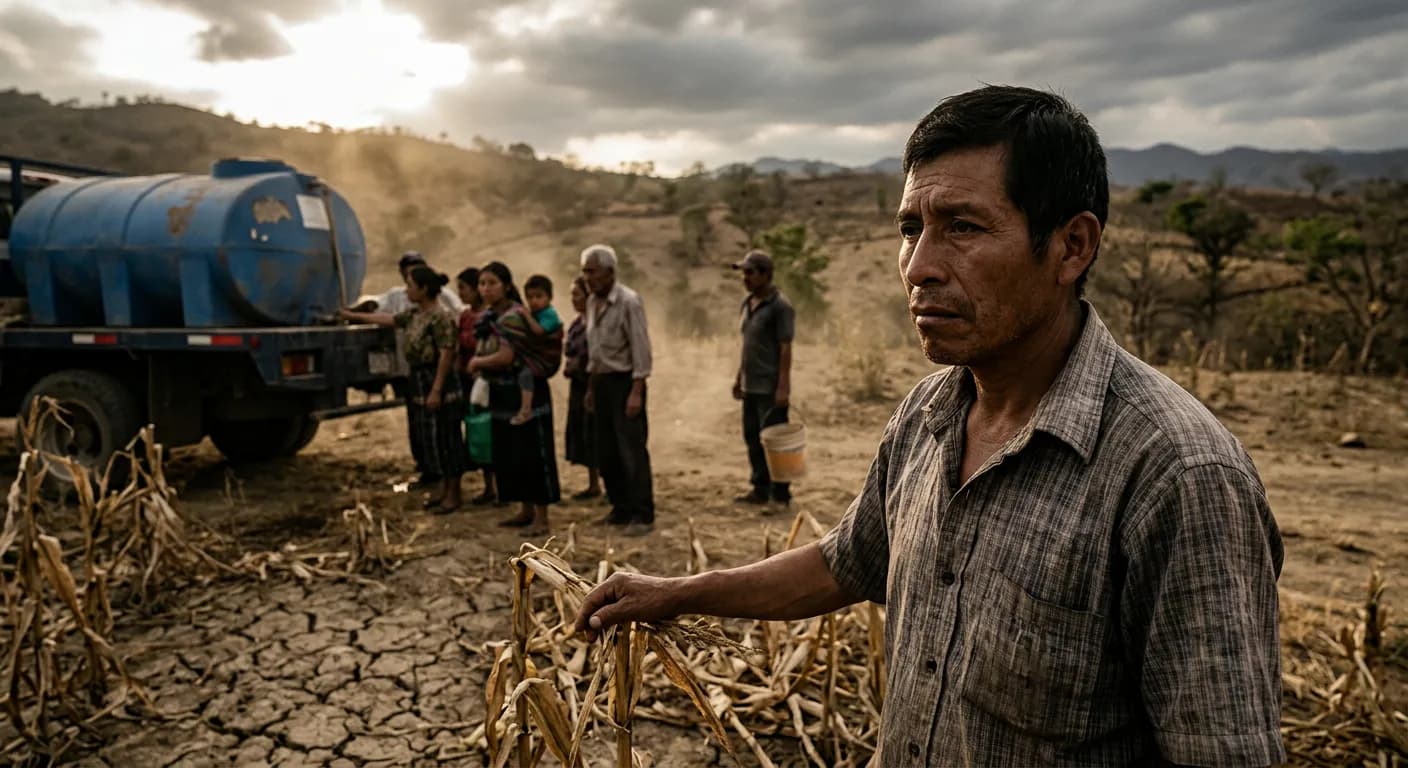
Guatemala: El Niño 2026–27 becomes regional security test
UNICEF: 25.8M children face El Niño risks in Latin America; Guatemala maps 188 municipalities for drought and food insecurity amid regional security test.

Economics
Fed's stress-test overhaul is a capital-smoothing exercise
Federal Reserve finalized stress-test overhaul: two-year averaging for bank capital buffers and public input, expected to halve volatility.