DOJ’s Carroll Probe Puts Prosecutorial Power Behind Trump
The Justice Department’s inquiry into E. Jean Carroll gives Trump’s team a new lever in a fight that is already moving through the Supreme Court.
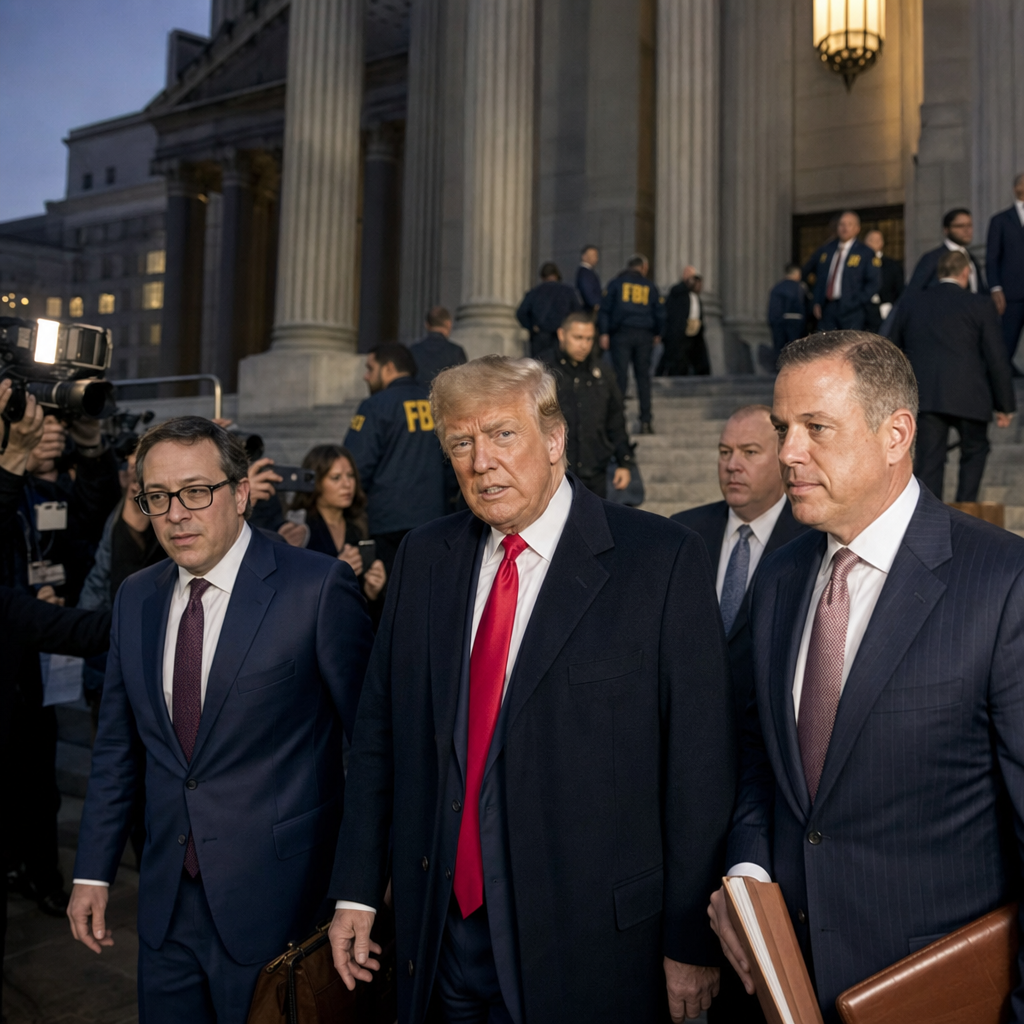
The Department of Justice has opened a criminal inquiry into E. Jean Carroll over possible perjury in her civil cases against Donald Trump, according to  The Hill and
  The New York Times. The probe is reportedly being handled by Andrew Boutros, the Trump-appointed U.S. attorney for the Northern District of Illinois, while acting Attorney General Todd Blanche has recused himself because he previously represented Trump in the Carroll litigation, the Times reported. Carroll won civil judgments totaling $88.3 million after juries found Trump liable for sexually abusing and defaming her, and Trump’s appeals are now pending before the Supreme Court, The Hill reported.
Power is the point
This is not just another step in a years-long legal feud. It is the federal government moving from defendant-adjacent posture to active investigator in a case involving the president’s personal adversary. That matters because DOJ control changes the leverage. Carroll is no longer only fighting Trump’s lawyers in civil court; she is now under scrutiny from prosecutors with subpoena power, charging authority, and the institutional weight of the state.
The immediate winner is Trump. The inquiry shifts attention from the substance of Carroll’s accusations to the accuracy of her deposition testimony, including the question of whether she misstated who helped finance the case. Even if the probe never becomes a charge, it creates risk, distraction, and reputational pressure on Carroll while reinforcing Trump’s longstanding claim that the case was driven by bad faith.
The institutional stakes are wider
The deeper issue is what this says about the Justice Department under Trump. The Times said Blanche has approved a growing number of inquiries into the president’s enemies, which is exactly why his recusal matters: it does not remove the political cloud, it confirms it. The department now looks less like a neutral enforcer than a venue where Trump’s allies can revisit old grievances through criminal process.
That is why this belongs on the same shelf as other fights over executive power on  United States politics: the question is not whether Carroll’s lawyers made a perfect record. It is whether the administration is willing to use prosecutorial tools to shift the balance in a dispute the courts are already handling. If prosecutors believe Carroll lied under oath, they can pursue that theory. But the political effect is immediate: Trump gains a fresh weapon, Carroll loses the presumption that this is only a civil case, and DOJ’s credibility takes another hit.
What to watch next
The next decision point is simple: does this stay a reported inquiry, or does it become a formal case? If DOJ escalates, expect a sharper fight over Blanche’s recusal, Boutros’s independence, and whether the probe is being insulated from White House politics.
Also watch the Supreme Court. The civil judgments are still in play, and Trump’s appeals remain pending, with a recent court order delaying payment on the larger $83 million award while review is considered,  The Washington Post reported. If the court takes the case, the criminal inquiry becomes part of a broader battle over whether Trump can turn a legal defeat into a political reset.