Alabama GOP Map Blocked by Federal Court
Federal panel preserves Black-opportunity district in Alabama
Model Diplomat2 min readNorth America

Alabama GOP Map Blocked — and the Supreme Court Is Next
A federal panel blocked Alabama Republicans’ new House map, preserving a second Black-opportunity district and teeing up another Supreme Court fight.
The power shift is back in the courts. A three-judge federal panel on Tuesday blocked Alabama Republicans from using a new congressional map that would have removed one of the state’s two majority-Black districts, finding that lawmakers intentionally discriminated against Black voters and could not force the state to run the 2026 election under that design, according to The Hill and
Reuters.
Leverage shifts back to the courts
This is a setback for Alabama Republicans and for the broader GOP redistricting push that followed the Supreme Court’s recent tightening of Voting Rights Act rules. State leaders had hoped the Court’s April decision in Louisiana v. Callais would let them restore a more favorable map before the midterms; instead, the lower court said that ruling does not erase its earlier finding that Alabama’s 2023 map was drawn with discriminatory intent, Reuters reported. The panel’s message was simple: even if Section 2 litigation got harder, the Constitution still bars race-based line-drawing.
That matters because the immediate beneficiary is not just Black voters in Alabama, but also Democrats trying to hold on to Rep. Shomari Figures’ district. The blocked map would have improved GOP prospects in a state where Republicans already dominate most of the delegation. The New York Times noted that the ruling also compounds confusion across the South, where Republican-controlled states have been racing to redraw lines after the Court weakened Voting Rights Act protections.
Why this matters for House control
Alabama is one piece of a larger mid-decade map war. President Donald Trump’s allies want extra Republican seats before November, and Southern legislatures have moved quickly to capitalize on the Court’s new posture, Reuters reported. If Alabama’s GOP map had survived, it would have added another potential pickup in a House battlefield where even one or two seats can determine control.
That is why this ruling lands beyond Alabama. It tells state Republicans that the Supreme Court’s narrowing of voting-rights doctrine is not a blank check, especially where trial courts have already built a record of intentional discrimination. It also gives Democrats and voting-rights groups a usable argument elsewhere: Callais made Section 2 harder, but it did not immunize aggressive redraws from constitutional challenge. For background on the broader stakes, see United States and
US Politics.
What to watch next
The next decision point is the Supreme Court. Alabama can appeal again and ask the justices to restore the 2023 map before the state’s special primaries take effect. That deadline matters because Governor Kay Ivey has already set August primaries for districts that would change under the contested plan, according to The New York Times. If the Court steps in, it will decide not just Alabama’s map, but how far Republican states can push redistricting after Callais without triggering a constitutional backlash.
Discover more
US Politics
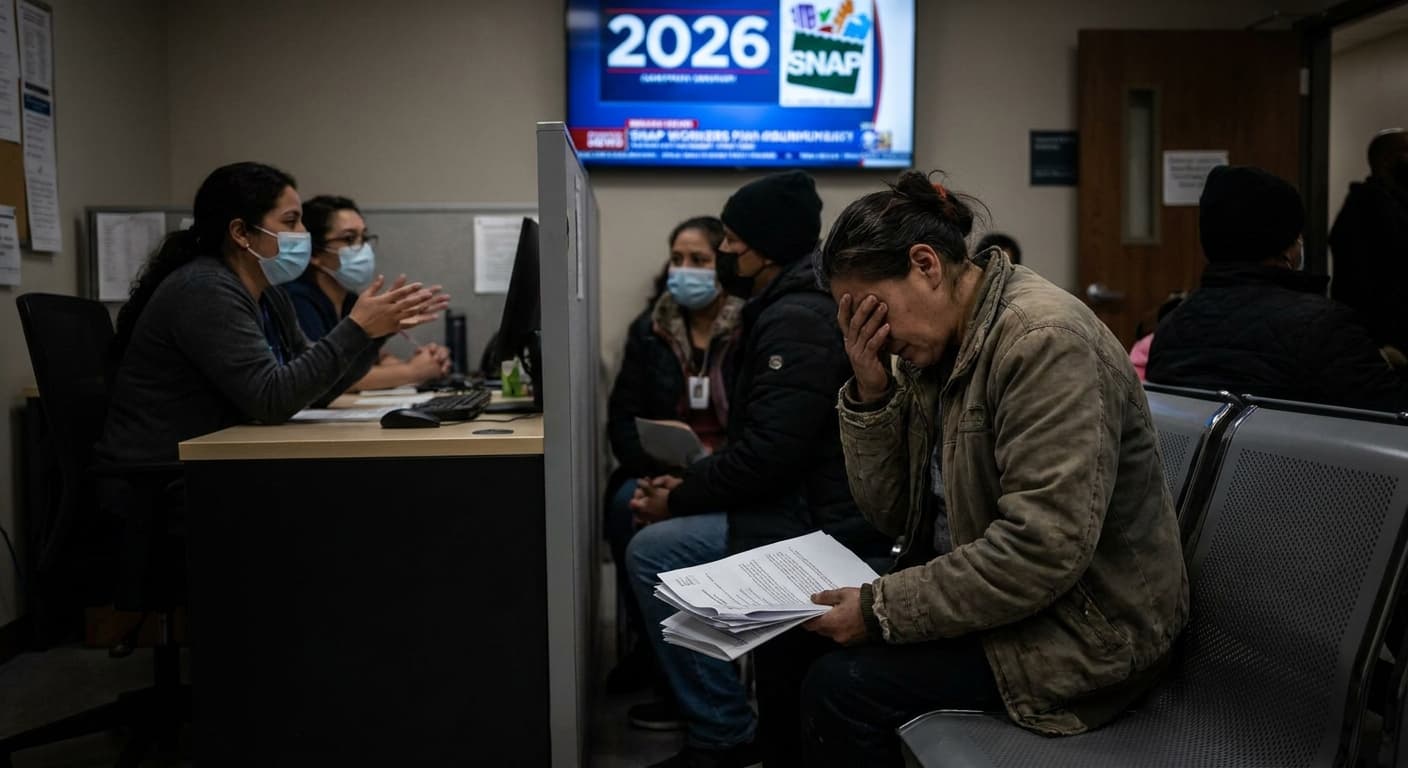
SNAP Food Assistance Faces Legal Challenges
In 2026, SNAP faces stricter eligibility rules and mounting legal challenges, threatening food assistance for the millions of Americans who rely on the program.
India
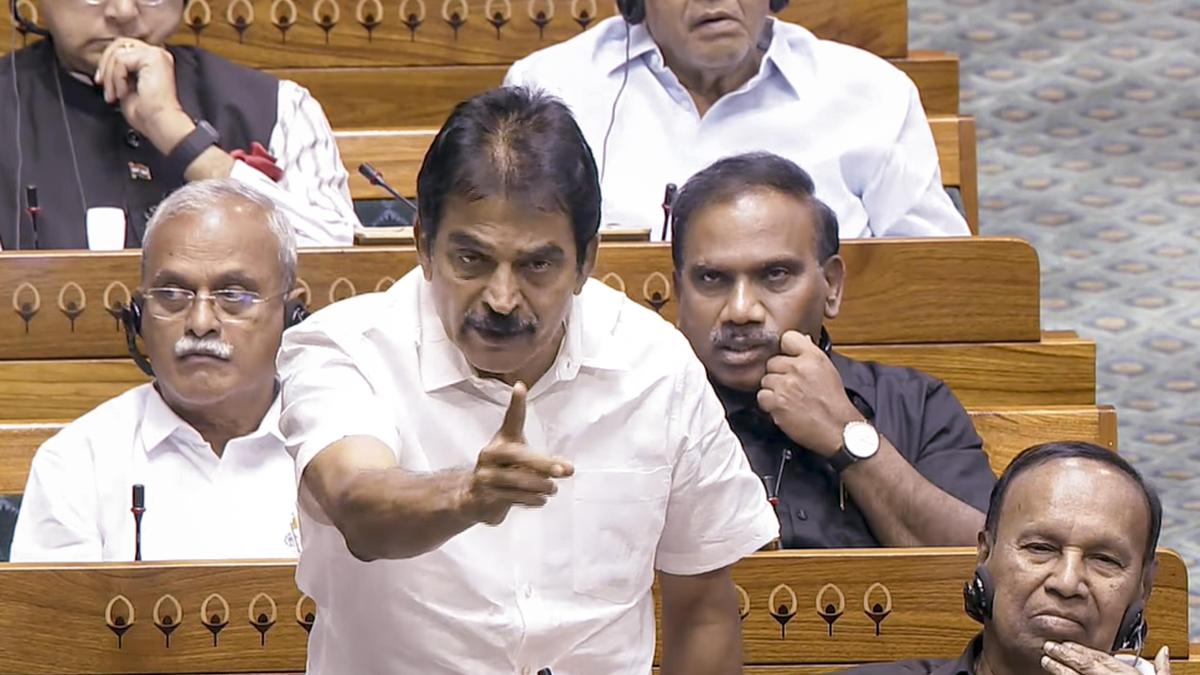
BJP's Delimitation Strategy
Congress leader K.C. Venugopal claims the BJP uses women's reservation to advance delimitation, raising fears over electoral fairness ahead of the 2029 polls.

Conflict & Security
Drone Warfare Killing Aid Workers at Unprec
Over 1,000 humanitarian workers killed in three years as cheap armed drones collapse legal protections. Gaza, Sudan, Ukraine, and DRC see deliberate targeting of aid convoys and hospitals with zero prosecutions.

Global
World Normalises Taliban as Afghan Women Eras
UN data shows Afghan women erased from public life as Russia recognises the Taliban, EU hosts officials in Brussels, and ICC warrants for gender persecution go unenforced.