Delhi's Kalindi Kunj Aims to Tackle Yamuna Fo
Delhi's plan to tackle Yamuna pollution focuses on visible froth.
Model Diplomat3 min readAsia
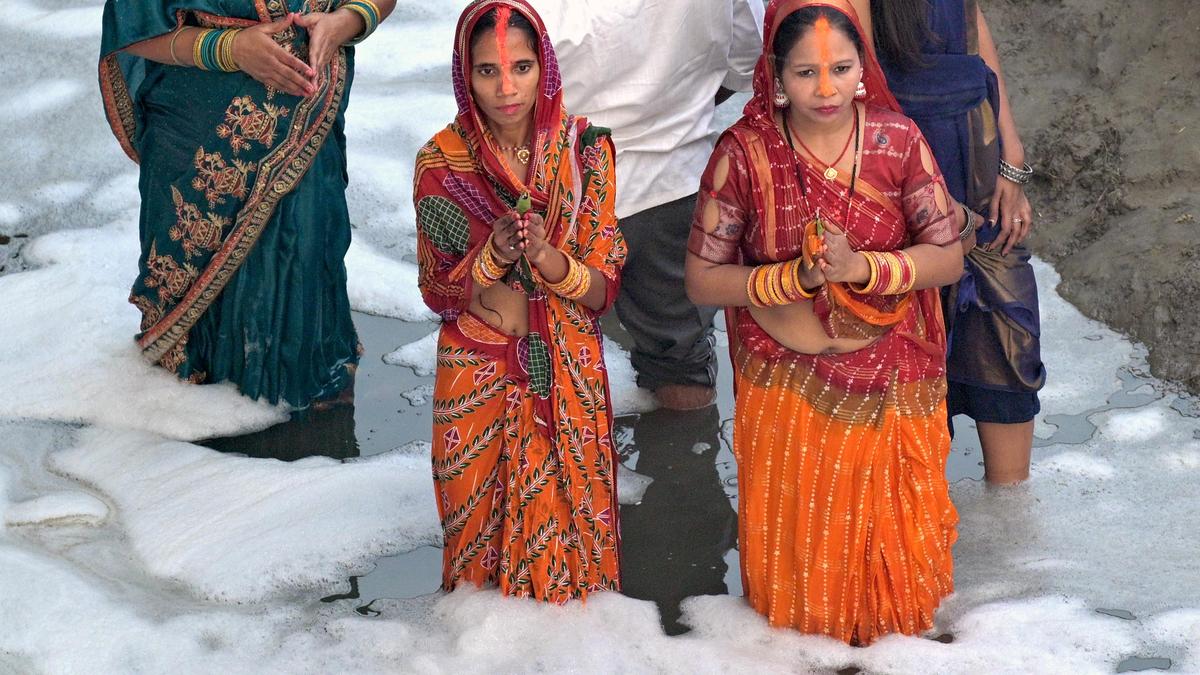
Delhi’s Kalindi Kunj Fix Targets Yamuna Froth, Not Flow
Delhi is betting on barrage redesign, local relocations and a new ghat to blunt a recurring public outrage — but the main pollution load still comes from upstream.
Delhi is moving on the Kalindi Kunj barrage itself because the froth problem is politically visible and technically convenient to attack. Water Minister Parvesh Sahib Singh, after visiting the site with IIT Roorkee experts and Delhi Jal Board officials, said the barrage slope may be redesigned and possibly lowered after a study, since the fall over the structure helps create foam when surfactant-laden water hits the drop (The Hindu).
Why this matters
This is less a river-cleaning breakthrough than a bid to manage a recurring embarrassment. Every Chhath season, images of devotees standing in froth-covered water at Kalindi Kunj push the Yamuna back onto the front page, and Delhi has long answered with de-foaming sprays rather than structural fixes (The Hindu). The new plan goes a step further: relocate dhobi ghats, tighten enforcement on nearby dyeing units, and build a new Chhath Ghat at an estimated cost of ₹100 crore (
The Hindu;
PTI via NewsDrum).
That tells you where Delhi’s leverage is: on infrastructure it can influence directly, and on local polluters it can regulate. It is far weaker on the bigger upstream equation. A separate report this week said the Centre has asked Haryana to clean drains before the Yamuna enters Delhi, including a time-bound plan to cut pollution at source and reduce biological oxygen demand in inflows (Times of India). That is the real bottleneck. Redesigning the barrage may reduce foam formation at the site; it will not meaningfully solve the river’s chemical load.
Who benefits, who loses
Delhi gains the most politically. Chief Minister Rekha Gupta’s government gets to show movement on one of the capital’s most enduring environmental symbols, and the proposed Chhath Ghat is clearly meant to serve both devotees and optics (The Hindu). The losers are the institutions and businesses that rely on the current arrangement: dhobi ghats, dyeing units and, potentially, the Uttar Pradesh Irrigation Department, which controls the barrage and would have to cooperate on any redesign or new ghat work (
PTI via NewsDrum).
The bigger institutional problem is fragmentation. Delhi can spray defoamer, move some local activity and alter the barrage geometry; Haryana controls major upstream drains; the Centre can pressure both sides but does not run the river end to end. That means this is shaping up as a multi-agency exercise in damage control, not a single clean-up plan. For background on how the Yamuna issue repeatedly reappears in Delhi politics, see India.
What to watch next
The immediate test is the IIT Roorkee study: if it recommends a feasible redesign, Delhi can claim a technical fix before the next Chhath cycle. If it does not, the government falls back on the same cycle of foam suppression and ad hoc enforcement. Watch next for three things: whether Delhi and Uttar Pradesh agree on the barrage changes, whether the relocation plan for dhobi ghats and dyeing units is enforced, and whether the Centre’s promised funding for Yamuna work is actually approved (The Hindu).
Discover more
India
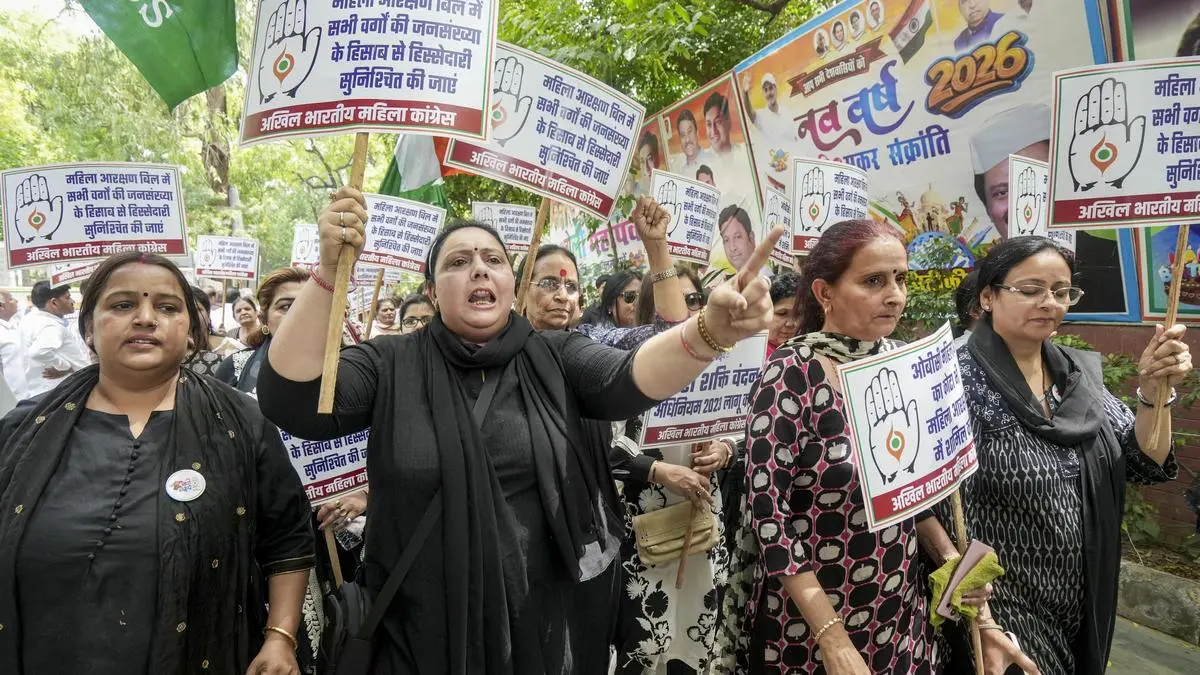
BJP's Misunderstanding of Women's Quota Needs
The BJP's linkage of the Women Reservation Bill to delimitation risks delaying women's empowerment in India, misreading their political needs.
India
CPI(M) Calls to Decouple Quota from Delimita
CPI(M) demands the Indian government to separate quota policies from delimitation to enhance representation for marginalized communities.
India
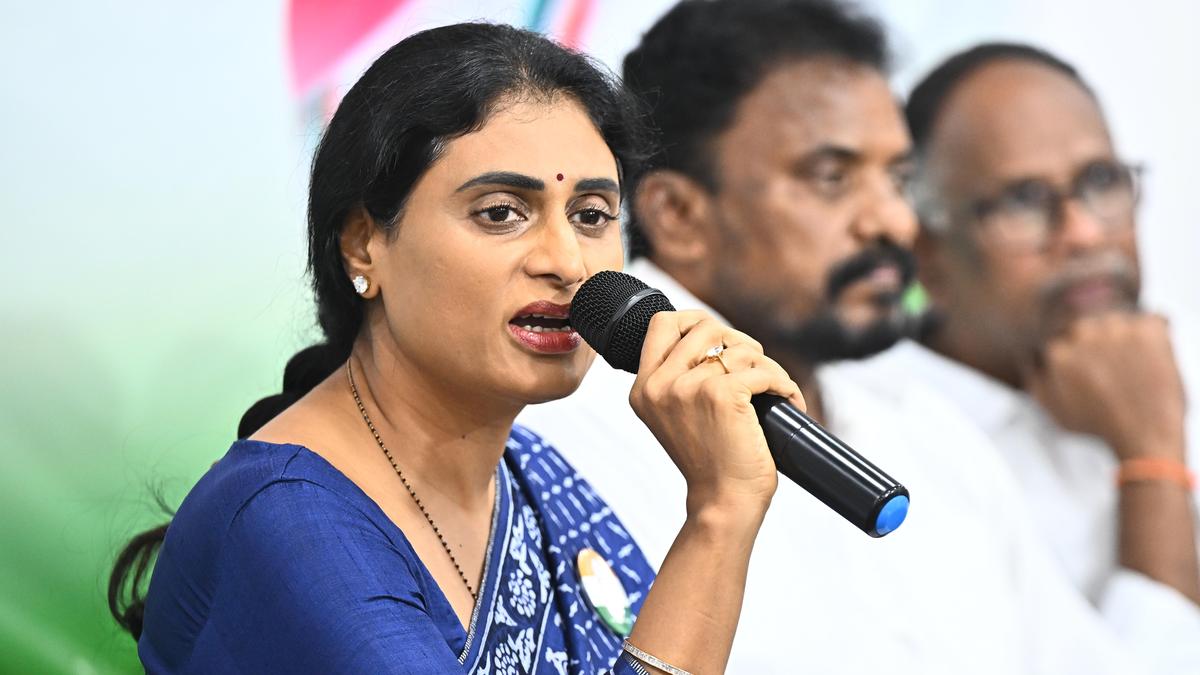
Congress Advocates 33% Women’s Quota
YS Sharmila of Congress reaffirms 33% women's quota, accusing Modi of politicizing the issue amid delimitation talks.
Global Politics
Iran Releases $12B Frozen Assets Deal
Iran secures $12 billion in frozen assets as US lifts oil sanctions under new deal.