Delhi BJP's Censure After Women's Bill Fails
BJP targets Congress following women's reservation bill collapse
Model Diplomat3 min readAsia
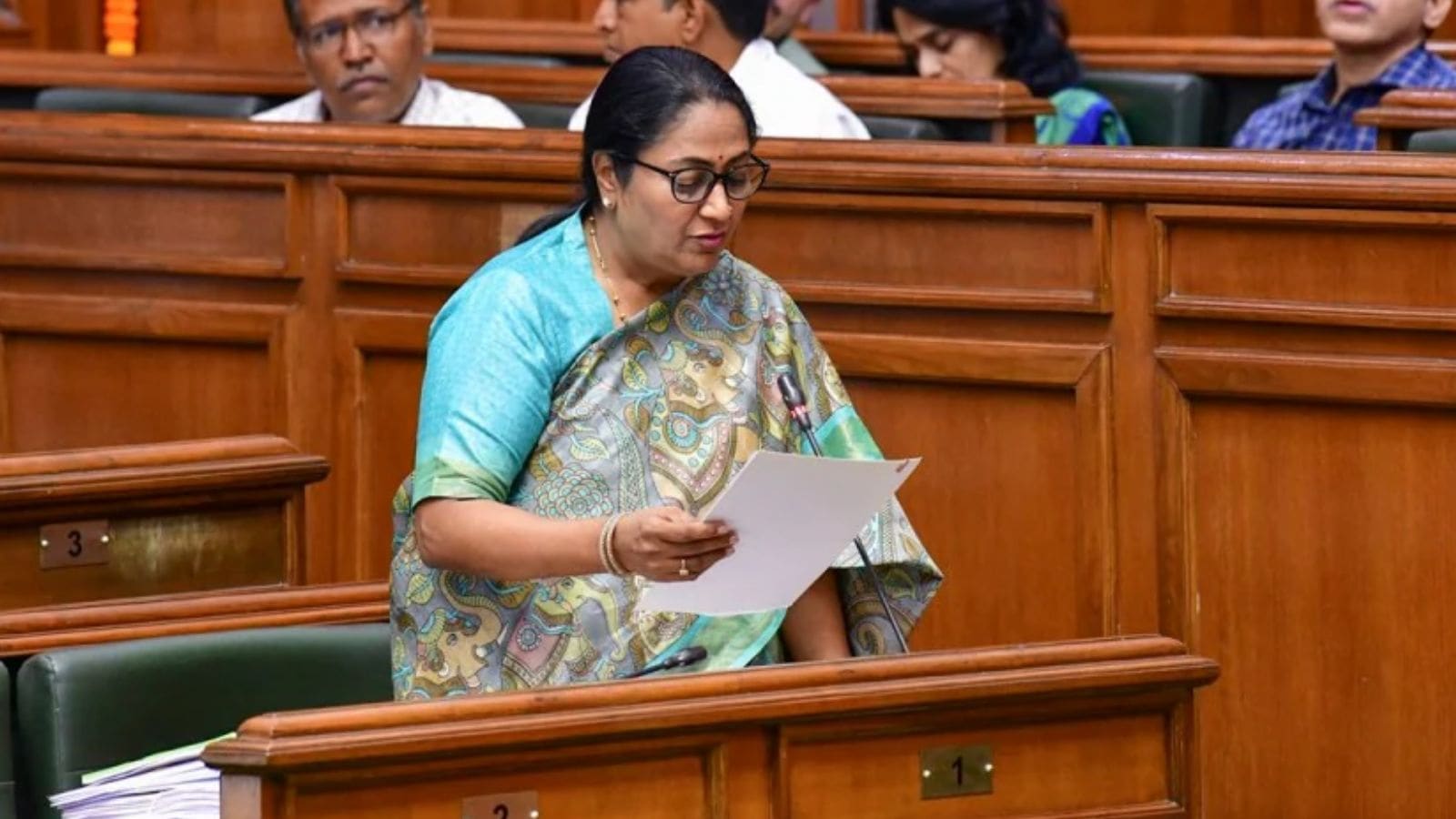
Delhi Leads BJP's Censure Push After Women's Quota Bill Collapses in Lok Sabha
Delhi's ruling BJP uses the assembly to politically isolate Congress after the Constitution Amendment Bill fails by a two-thirds margin on April 17.
The Delhi Assembly's censure motion against the opposition is less a legislative act than a political weapon — the first state-level salvo in what BJP is engineering as a national "anti-women" narrative targeting Congress following the collapse of the Constitution (131st Amendment) Bill 2026.
On April 17, 2026, the Bill — which would have reserved 33% of legislative seats for women from 2029 and expanded the Lok Sabha to 816 seats via fresh delimitation — was defeated in a special sitting: 298 votes in favour, 230 against, out of 528 present. It fell short of the required two-thirds majority. Home Affairs Minister Kiren Rijiju immediately framed it as a historic failure of political consensus. Prime Minister Modi followed with a national address pinning the defeat on Congress-led opposition. The Hindu
The Leverage Play
CM Rekha Gupta called the episode a "black chapter in Indian democracy" — strong language calibrated for a Delhi electorate where women voters are a decisive bloc. The censure motion itself has no statutory power; its value is entirely symbolic and electoral. BJP is manufacturing a paper trail: every state assembly it controls is being used as a microphone to amplify the narrative that Congress killed women's reservation.
The opposition's counter is substantive: Rahul Gandhi and Congress argue the bill was never purely about women — it bundled delimitation that would shrink representation for southern, northeastern, and smaller states, redistributing seats northward toward BJP-dominant constituencies. That is why the bill drew opposition not just from Congress but from regional heavyweights with their own seat-count anxieties. Frontline
Both readings can be simultaneously true — and that is precisely what makes this fight durable. BJP has a genuine women's reservation mandate it can claim to champion; the opposition has a genuine federal-structure argument it can sustain. Neither side is wrong on its own terms, which means neither side is losing the messaging war outright.
Who Benefits, Who Loses
BJP extracts maximum benefit from defeat: it avoids the politically complex consequences of delimitation while pinning blame on Congress. Congress gets a defensible procedural argument — opposing delimitation as anti-federal — but risks the simpler, more emotionally resonant frame of being labelled "anti-women" in the run-up to state elections. Regional parties (DMK, TMC, SP) who voted against the bill are equally exposed but have stronger local cover.
Madhya Pradesh's assembly has already passed a resolution calling for immediate implementation. More BJP-governed state assemblies are likely to follow, manufacturing a pressure cascade before the next parliamentary session. PTI via The Hindu
For more on the political dynamics reshaping India's legislative agenda, track developments across the
International arena as delimitation debates ripple into regional geopolitics.
What to Watch
The next pressure point is the monsoon session of Parliament, expected July–August 2026. Watch whether the government reintroduces a stripped-down women's reservation bill — one decoupled from delimitation — to force the opposition into an unambiguous yes-or-no vote. That is the move that removes Congress's federal-structure escape hatch. If that bill surfaces, the political cost of a second "no" vote rises sharply for every opposition MP from a constituency with a female-majority electorate.
Discover more

India
Delhi CM Rekha Gupta Blasts Opposition's Delm
Delhi CM Rekha Gupta's remarks on women's quota defeat reveal BJP's strategy for the 2029 Lok Sabha elections, focusing on delimitation.
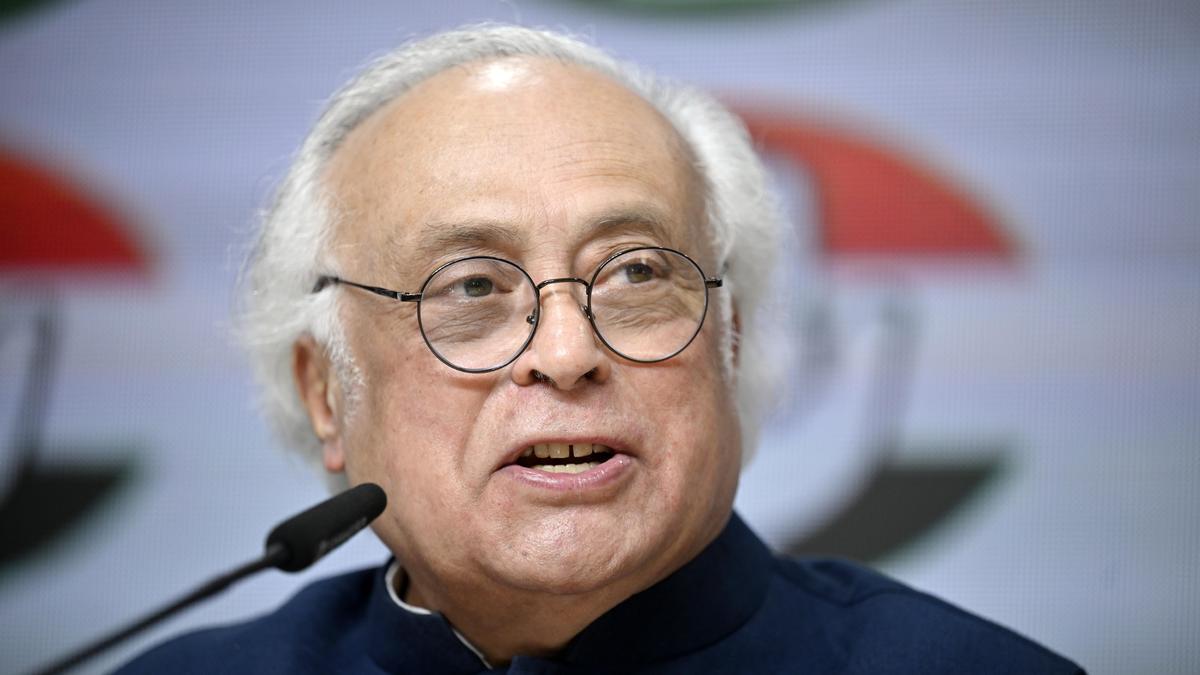
India
Congress Accuses Modi of Stalling Women's Law
Congress accuses Modi of stalling women's reservation law by linking it to delimitation, revealing a deeper electoral strategy.

Conflict & Security
Drone Warfare Killing Aid Workers at Unprec
Over 1,000 humanitarian workers killed in three years as cheap armed drones collapse legal protections. Gaza, Sudan, Ukraine, and DRC see deliberate targeting of aid convoys and hospitals with zero prosecutions.

Global
World Normalises Taliban as Afghan Women Eras
UN data shows Afghan women erased from public life as Russia recognises the Taliban, EU hosts officials in Brussels, and ICC warrants for gender persecution go unenforced.