Delhi Assembly Censure Motion
Delhi CM Rekha Gupta reframes women's reservation defeat locally.
Model Diplomat3 min readAsia
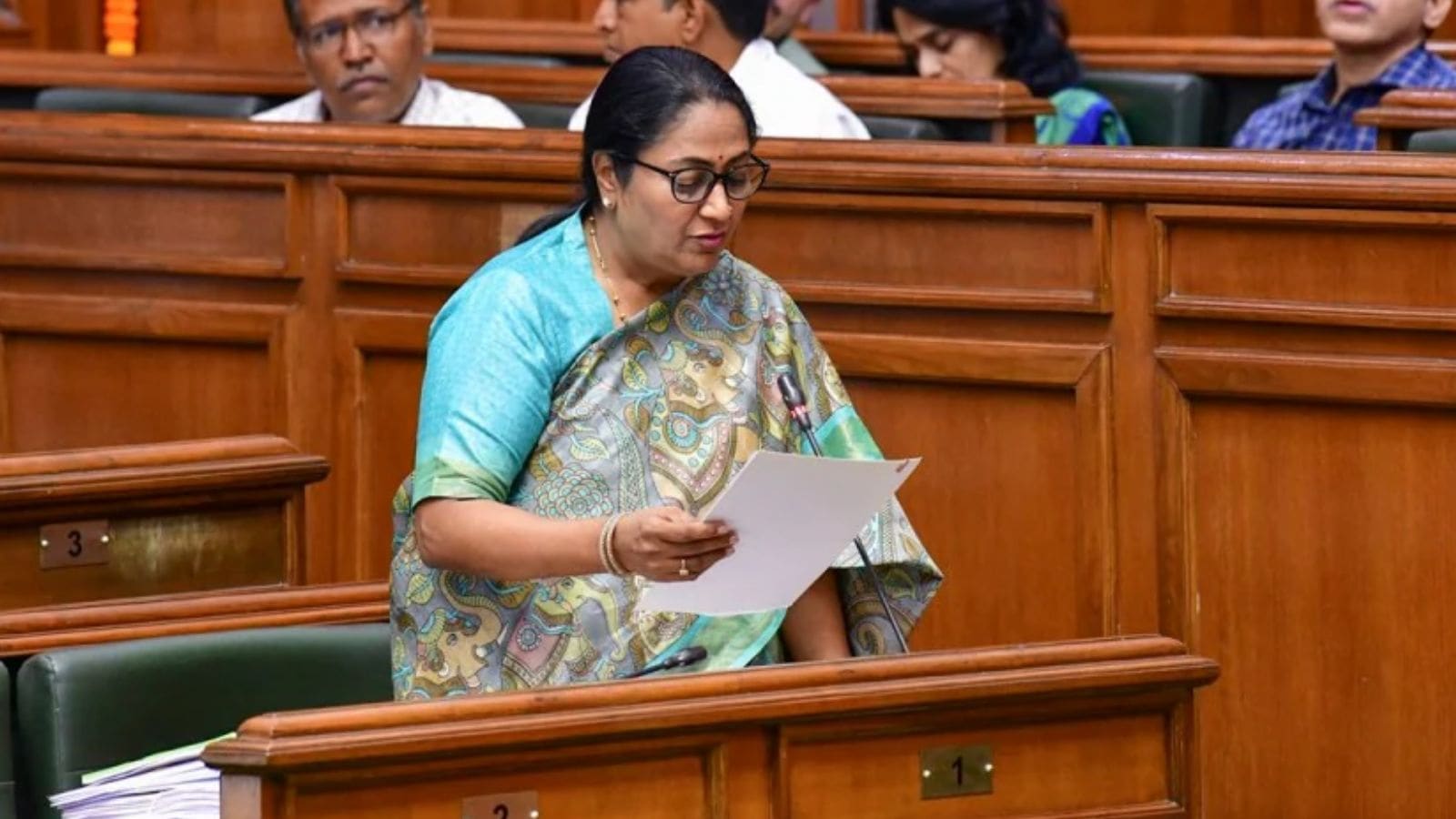
Delhi Assembly's Censure Motion Is BJP's Opening Salvo in the Women's Quota War
Delhi CM Rekha Gupta weaponizes the Constitution (131st Amendment)'s Lok Sabha defeat, passing a censure motion that reframes a national fracas as a local verdict.
The Delhi Assembly has passed a censure motion against the opposition following the defeat of the Constitution (131st Amendment) Bill — the BJP government's vehicle for enshrining 33% reservation for women in Parliament and state legislatures. Chief Minister Rekha Gupta called it "a black chapter in Indian democracy." The opposition, led nationally by Congress, showed up in black bands and called the BJP's framing a stage-managed political trap.
The Architecture of the Fight
The bill's collapse in the Lok Sabha is the trigger, but the underlying fault line is older and structural. The 2023 Women's Reservation Act passed with near-unanimous support — then was quietly shelved, its implementation tied by the government to a future delimitation exercise and a new census. The 131st Amendment was the BJP's attempt to operationalize that commitment by expanding the Lok Sabha to 816 seats with 273 reserved for women, effective 2029.
That linkage — reservation contingent on delimitation — is precisely what sank it. Congress, DMK, CPI(M), SP, and BRS refused to back a bill they read as designed to delay rather than deliver. Congress's Jairam Ramesh accused the government of "rushing to notify" the law only after it became clear delimitation wouldn't pass — a sequencing that suggests tactical maneuvering rather than legislative urgency. The opposition's counter-demand is straightforward: implement 33% reservation within the current 543-seat Lok Sabha, no delimitation required, now.
PM Modi wrote directly to parliamentary floor leaders urging support; Congress president Mallikarjun Kharge shot back demanding an all-party pre-legislative consultation. Neither side blinked. The bill fell.
Who Benefits From the Wreckage
The BJP's play here is legible. By calling the bill's defeat "anti-women," Gupta and the party machinery convert a legislative setback into electoral ammunition — particularly potent in Delhi, where the BJP won a decisive Assembly majority in February 2025 and now controls the state government. The censure motion isn't a governing act; it's a document for the next campaign. Delhi's largely urban female electorate, roughly 7.2 million registered women voters, is the intended audience.
Congress is caught in a bind of its own making. Supporting women's reservation in principle while opposing the BJP's specific bill is a defensible position — but "we voted against the bill" is a harder headline to survive than "we voted for women." The party's April 19 street protests outside BJP headquarters signal they know the framing risk is real. The India political landscape heading into the 2029 election cycle will be shaped significantly by who owns this issue.
The genuine losers in the short term are the ~82 million women who would have been represented under a fully operational reservation scheme — still waiting, three years after the 2023 law's passage, for an implementation date.
What to Watch
Three things will determine how this resolves:
- The Census timeline. No census, no delimitation, no trigger for the BJP's version of the bill. The 2021 census remains unfinished as of April 2026. Every month of delay strengthens the opposition's argument that the reservation-delimitation linkage is indefinite delay by design.
- Parliament's Budget Session exit. With sittings extended through mid-April, any revised legislative strategy from the government will surface in the Monsoon Session, likely July–August 2026. Watch for a standalone bill stripped of the delimitation clause — that would signal BJP has decided winning the issue matters more than winning the vote structure.
- Southern state reactions. DMK and regional parties fear delimitation penalizes high-performing states on population control. If the BJP delinks reservation from delimitation, it may bring them back — and shift the entire political calculus before
international observers tracking India's democratic health can recalibrate.
The Delhi censure motion is noise. The census clock is the signal.
Sources: The Hindu — Key parties' stances ·
The Hindu — PM Modi letter to Parliament ·
The Hindu — Congress protests ·
Indian Express — Delhi Assembly censure motion
Discover more

India
Delhi CM Rekha Gupta Blasts Opposition's Delm
Delhi CM Rekha Gupta's remarks on women's quota defeat reveal BJP's strategy for the 2029 Lok Sabha elections, focusing on delimitation.
India
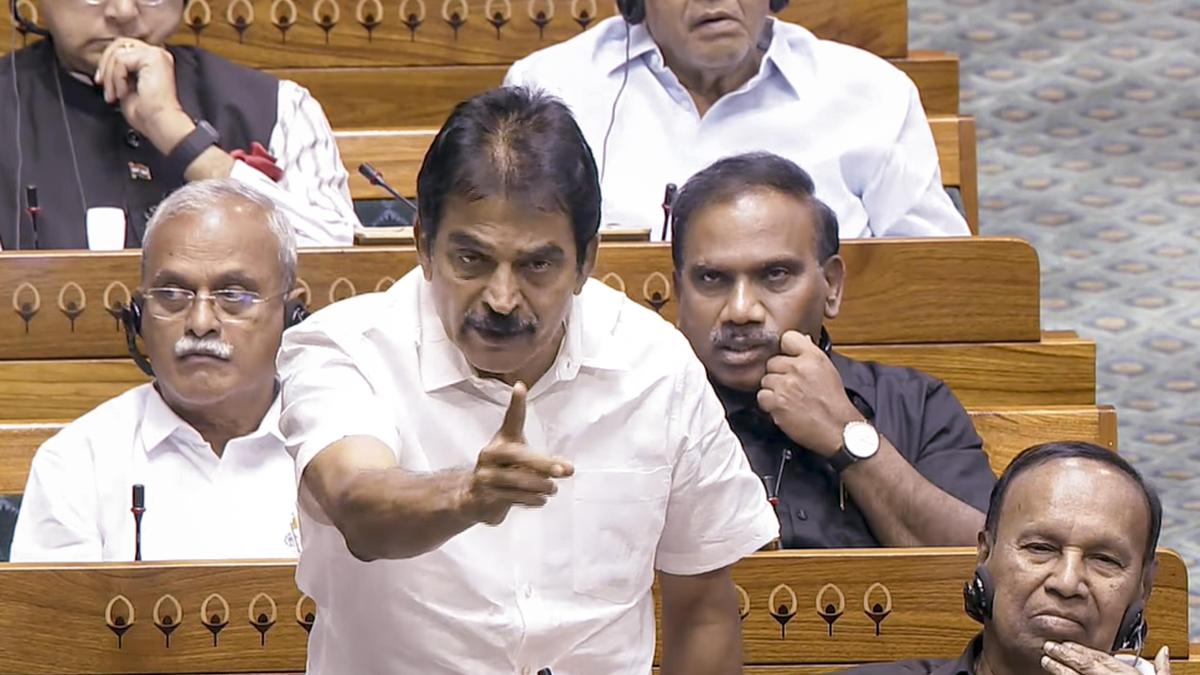
BJP's Delimitation Strategy
Congress leader K.C. Venugopal claims the BJP uses women's reservation to advance delimitation, raising fears over electoral fairness ahead of the 2029 polls.
India
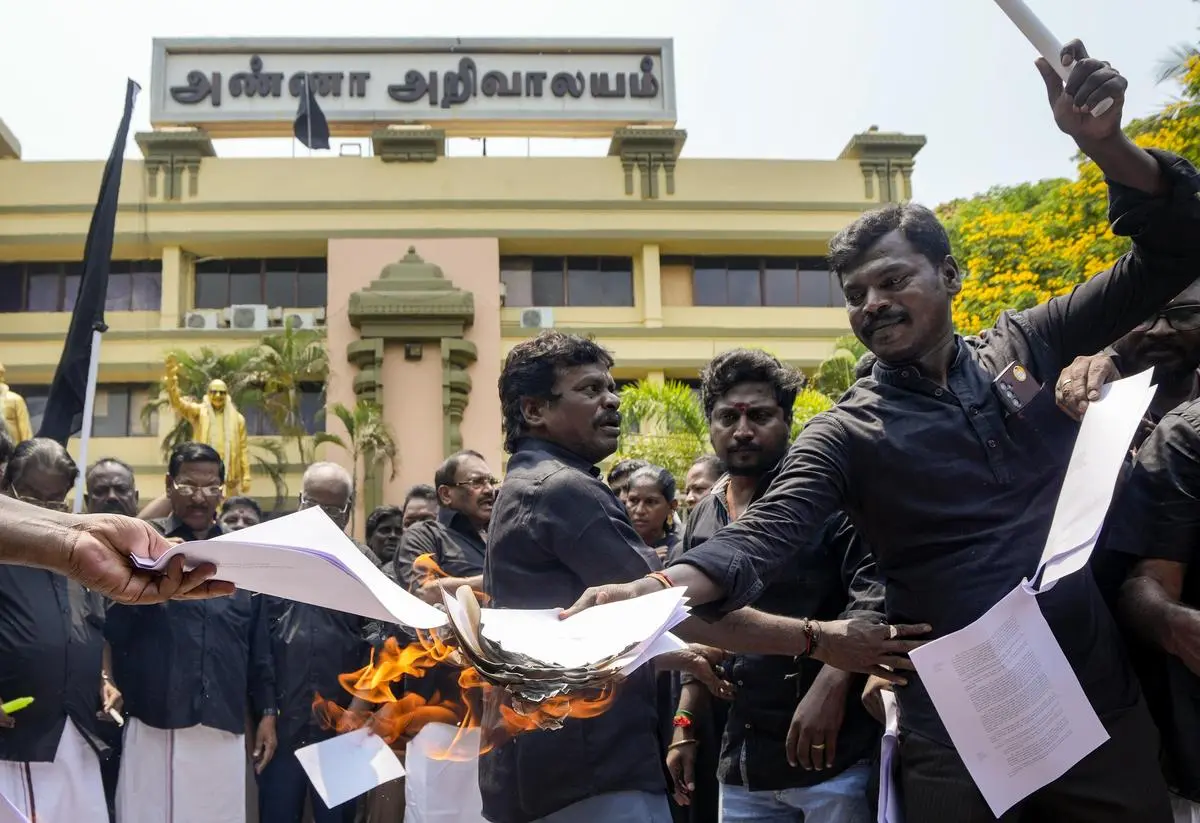
Women’s Reservation Bill 2026
The Constitution (131st Amendment) Bill, 2026 was defeated in Lok Sabha, revealing deeper political conflicts over women's reservation and delimitation.

Conflict & Security
Drone Warfare Killing Aid Workers at Unprec
Over 1,000 humanitarian workers killed in three years as cheap armed drones collapse legal protections. Gaza, Sudan, Ukraine, and DRC see deliberate targeting of aid convoys and hospitals with zero prosecutions.