Cuba's Alleged Support for Russia in Ukraine
US claims Cuba sent thousands of fighters to aid Russia
Model Diplomat3 min readNorth America
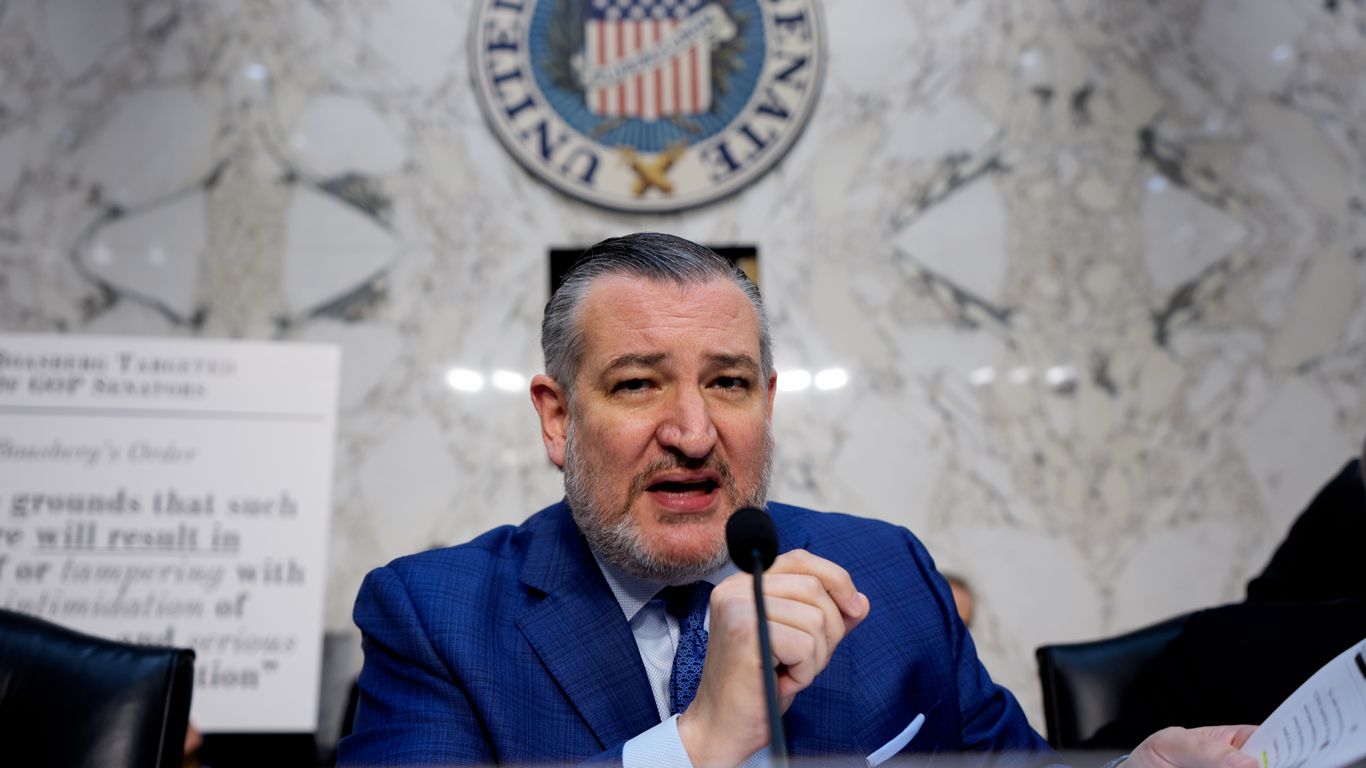
US alleges Cuba aided Russia in Ukraine with thousands of fighters
The Biden administration claims Cuba has sent up to 5,000 combatants to support Russia’s invasion of Ukraine, marking a sharp escalation in US accusations against Havana.
The latest US government report to Congress, released in April 2026, accuses Cuba of playing a direct role in Russia’s brutal war against Ukraine by contributing anywhere from 1,000 to 5,000 Cuban fighters on behalf of Moscow. Alongside the military involvement, Washington stresses that the Cuban regime politically and diplomatically backed Russia’s invasion, actively tolerating or facilitating these deployments.
Why this matters: A new dimension in the Cuba-Russia-US triangle
This report signals a substantive upgrade in US allegations against Havana under President Biden's administration as it highlights Cuban combatants—not just diplomatic lip service—supporting a major conflict alongside Russia. While Cuba has long maintained close ties with Russia, particularly since the Cold War and sustained by economic and military cooperation, direct Cuban troop involvement in Ukraine is a serious charge that risks further isolating Havana internationally.
For Washington, Cuba’s military involvement compounds broader strategic concerns about Moscow’s expanding network of allies willing to provide boots on the ground beyond Russian forces. The reported figure—up to several thousand Cuban fighters—if confirmed, makes Cuba one of the more significant third-party state contributors to the Ukraine war effort. This also fuels existing US narratives framing Cuba not just as a longstanding adversary in the hemisphere but as a key enabler of Russian aggression globally.
The diplomatic fallout could be acute. US sanctions regimes already tightly restrict Cuba’s economy and political elites. This new report may prompt tighter US sanctions, diplomatic expulsions, or push the Biden administration to rally Latin American partners to isolate Cuba further. It revives Cold War-era themes of Havana as Moscow’s proxy in the Western Hemisphere, which could harden positions ahead of US elections and US-Cuba policy debates.
What to watch next
-
Verification and responses: How will independent observers or other governments respond to the US report? Cuba vehemently denies such allegations, and Moscow minimizes foreign fighters. Corroboration beyond US intelligence will be a key factor.
-
US policy shifts: Watch for any swift US moves to tighten Cuba sanctions or restrict Cuban diplomatic presence in the Americas and Europe. The Biden administration’s handling of this test could reshape US Latin America strategy.
-
Regional reaction: Latin American governments, some critical of Washington but wary of Moscow, may face pressure to condemn Cuba or reassess ties, impacting regional alignments.
-
Ukraine battlefield impact: If thousands of Cuban fighters are indeed on the ground, this points to a diversification of Russia’s manpower sources—highlighting Russian challenges in maintaining troop strength and potentially affecting the war’s dynamics.
This revelation adds a new layer to the complex puzzle of international involvement in Ukraine’s war, spotlighting a Cold War echo in the 2020s that is certain to dominate key transatlantic and hemispheric diplomatic conversations in the coming months.
For more on Cuba’s evolving international role, see Cuba profile and for US foreign policy perspectives, see
US Politics.
Sources:
Scoop: US suggests Cuba complicit in helping Russia fight Ukraine, Axios
Discover more
US Politics
Escalating Violence
Three paramedic teams in southern Lebanon were struck by Israeli attacks, escalating violence and deepening the humanitarian crisis amid the ongoing conflict.

Global Politics
Day 47 of US-Iran Conflict
On day 47 of the US-Iran conflict, Red Cross aid reaches Iran as military strikes continue, underscoring a tangled humanitarian and geopolitical crisis.
US Politics
Civilian Forces Transforming Modern Warfare
Civilian figures like Ukraine's tycoon-turned-commander are reshaping modern warfare, challenging traditional military strategy and the lines of defense policy.

Conflict & Security
Drone Warfare Killing Aid Workers at Unprec
Over 1,000 humanitarian workers killed in three years as cheap armed drones collapse legal protections. Gaza, Sudan, Ukraine, and DRC see deliberate targeting of aid convoys and hospitals with zero prosecutions.