CS Anthem's Hormuz Exit Highlights U.S. Limit
U.S. military escorts fail to reopen vital shipping lanes.
Model Diplomat2 min readMiddle East

CS Anthem’s Hormuz Exit Shows the Limits of U.S. Power
A second U.S.-flagged ship has left Hormuz under escort, but traffic remains stalled and Iran still holds the choke point.
The U.S. is proving it can move isolated vessels, not reopen the waterway. Reuters said the chemical tanker CS Anthem was the second U.S.-flagged merchant ship to exit the Strait of Hormuz under U.S. military protection, following the Alliance Fairfax a day earlier. But the same Reuters reporting said most commercial traffic remained at a standstill, with no tanker queue building and shipping groups still warning that passage is effectively impossible without a credible security guarantee. Reuters
Reuters
What Washington is trying to signal
This is not just a convoy story. It is a test of coercive leverage. The Trump administration has said its aim is to restore “freedom of navigation” through a chokepoint that handles about 20% of global oil and LNG flows; Reuters reported the U.S. was also drafting a U.N. Security Council resolution with Gulf Arab partners to condemn Iran’s actions and press it to stop attacks, toll demands and mine-laying. That gives Washington a diplomatic lane as well as a military one, but both are constrained by the same fact: Iran still dictates the risk calculus inside the strait. Reuters
Reuters
For now, Iran is still winning the asymmetry. It does not need to sink many ships to freeze traffic; Reuters reported that hundreds of vessels and about 20,000 seafarers had already been trapped by the disruption, while the Joint Maritime Information Center kept the threat level “critical.” That is why even a successful escorted transit matters less than the broader absence of normal commercial movement. Reuters
AP News
Who gains, who loses
The immediate beneficiaries are the White House, U.S. Central Command and Gulf governments that want the crisis framed as an international navigation issue, not a bilateral U.S.-Iran fight. The losers are shipping firms, insurers and Asian energy importers that still cannot price the route with confidence. Reuters has already documented war-risk premiums rising sharply and carriers such as Hapag-Lloyd saying transit remains blocked by lack of clear procedures. For readers tracking the wider balance of power, this is the kind of contest that sits between Global Politics and
International Relations: force may escort a ship through, but only politics can reopen the market.
Reuters
Reuters
What to watch next
The next real test is not another escorted sailing; it is whether commercial carriers without U.S. protection start moving before the Security Council debate this week. If they do not, the Strait remains a military corridor, not a commercial one. If they do, Washington can claim momentum; if Iran disrupts another transit, the pressure shifts back to sanctions, naval escalation and insurance markets.
Discover more

Global Politics
US Seizes Iranian Ship, Tensions Surge
The US seizure of the Iranian ship Touska highlights a shift in control over the Strait of Hormuz, favoring Iran's strategic position.

Conflict & Security
Drone Warfare Killing Aid Workers at Unprec
Over 1,000 humanitarian workers killed in three years as cheap armed drones collapse legal protections. Gaza, Sudan, Ukraine, and DRC see deliberate targeting of aid convoys and hospitals with zero prosecutions.
Global
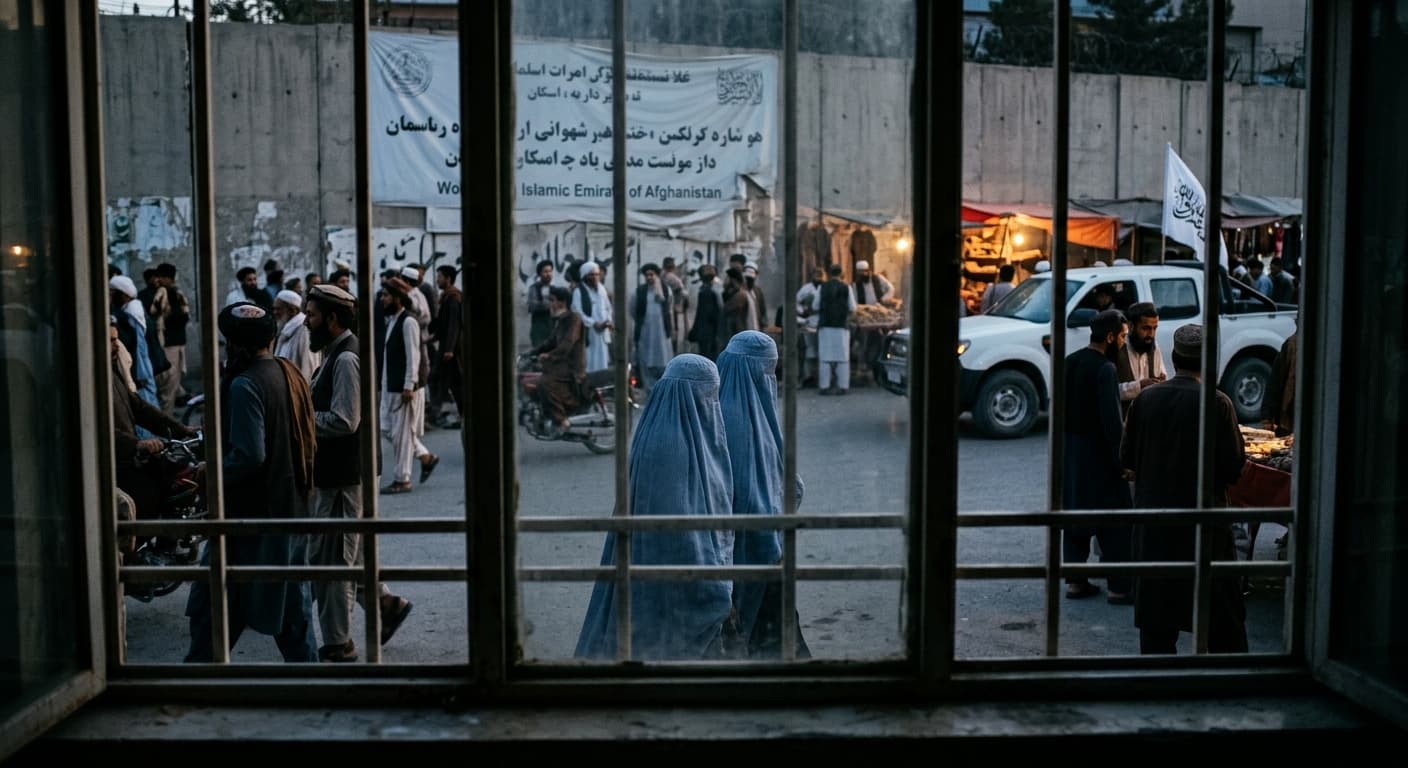
World Normalises Taliban as Afghan Women Eras
UN data shows Afghan women erased from public life as Russia recognises the Taliban, EU hosts officials in Brussels, and ICC warrants for gender persecution go unenforced.
Conflict & Security
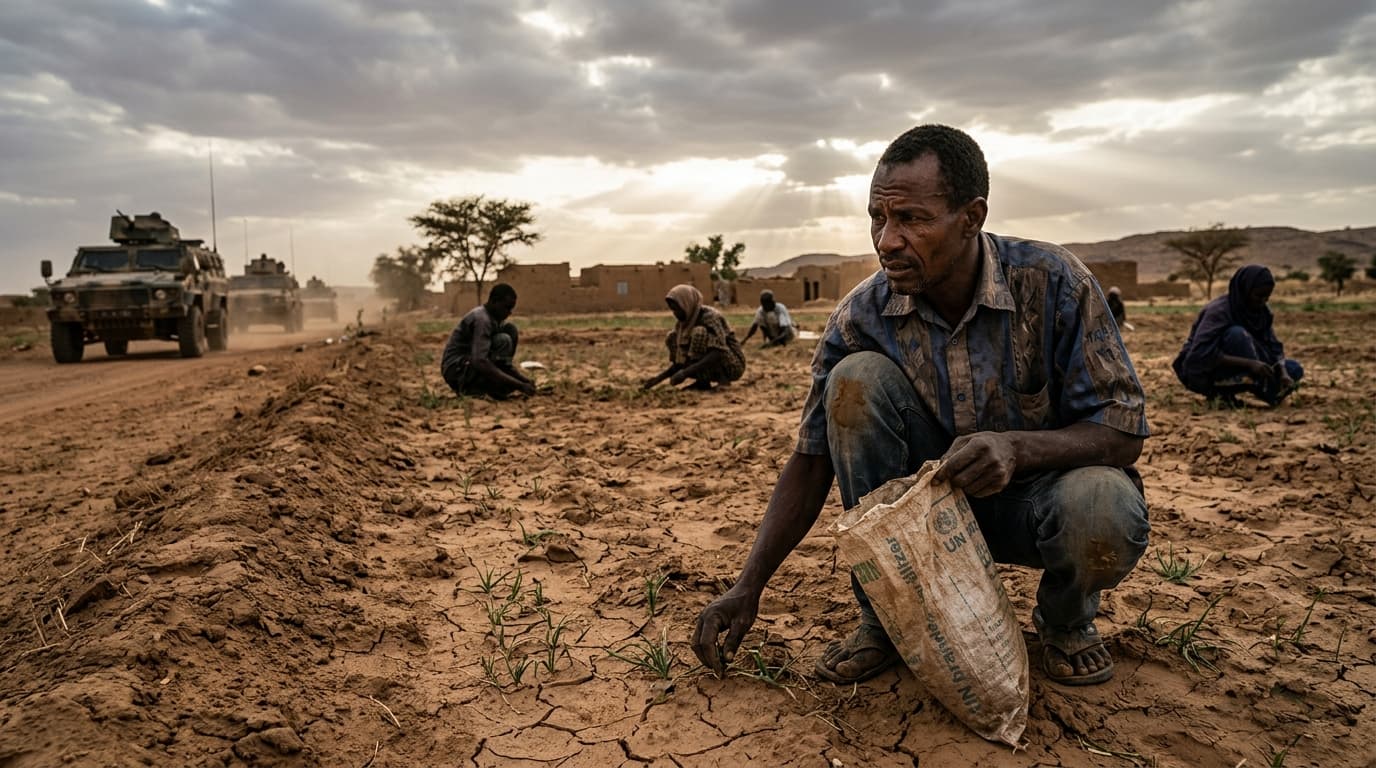
West Africa Food Crisis: Three Shocks in 2026
Conflict, climate extremes, and the Strait of Hormuz closure drive a severe food crisis in West and Central Africa, with fertilizer prices surging 80% and millions displaced.