Cruz-Cantwell Bill Gives NCAA Its Best Shot at Order
Senators Ted Cruz and Maria Cantwell are moving a bipartisan college-sports bill that would cap chaos, but its real target is antitrust risk, not athlete politics.
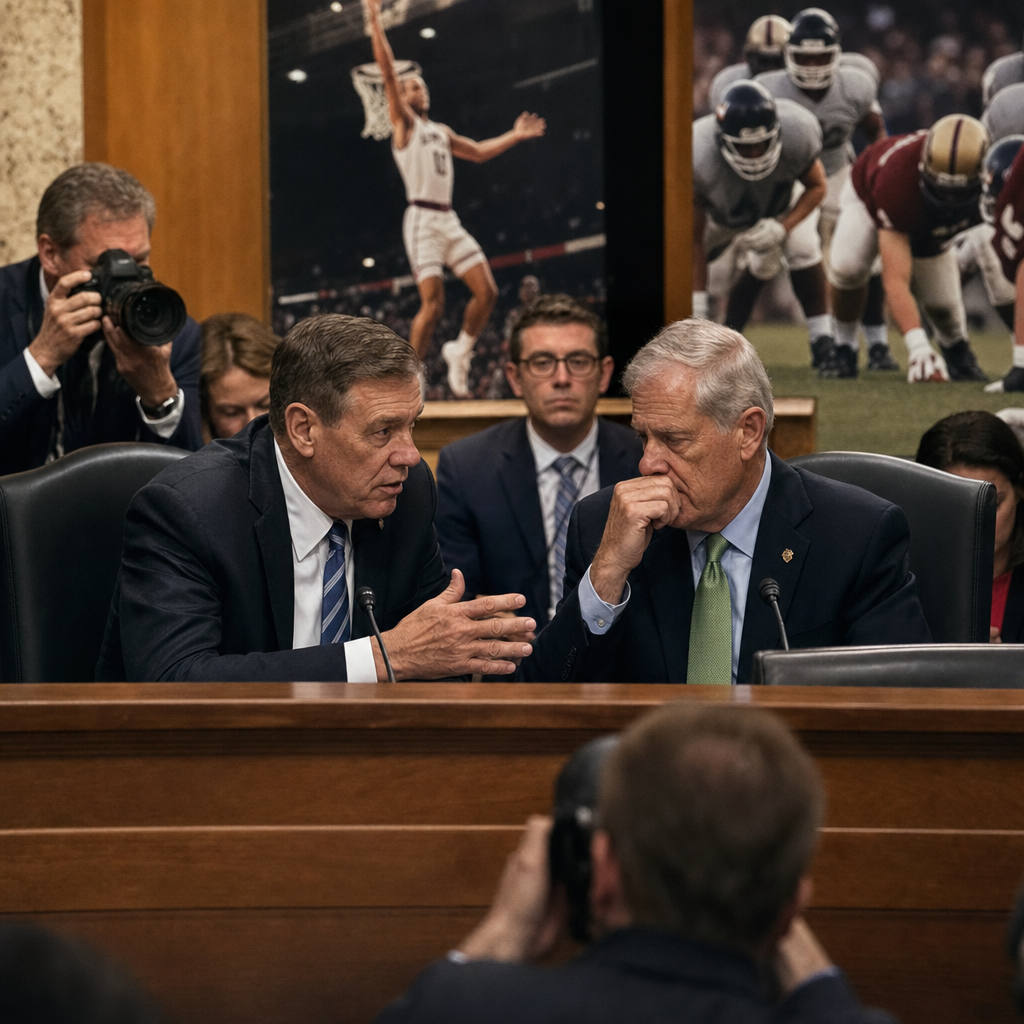
Senators Ted Cruz and Maria Cantwell are set to unveil a bipartisan college sports bill on Wednesday that would give the NCAA new authority to limit transfers and eligibility, enforce a spending cap, and let conferences pool television rights, according to  The New York Times Athletic. That is the clearest federal bid yet to turn college sports from litigation-driven improvisation into a regulated market.
The leverage is in the Senate
Cruz, the Senate Commerce Committee chair, and Cantwell, its ranking Democrat, are not trying to solve every college-sports grievance. They are trying to assemble a coalition that can survive the Senate’s 60-vote threshold, which is why the bill appears narrower and more procedural than the House’s SCORE Act, whose latest vote was canceled after support evaporated, per The Athletic.
That matters because the Senate is now the only plausible venue for a durable national deal. The House has produced drafts that would protect the NCAA from antitrust suits, preempt conflicting state laws, and bar athletes from employee status, but the coalition there has been unstable, as  The Washington Post reported last year. If Cruz and Cantwell can produce a compromise, they could set the floor for whatever Congress ultimately passes. For a broader read on how federal power gets built, see
  Global Politics.
What the bill would actually do
The reported deal is designed to give the NCAA and power conferences what they cannot get in court: the ability to set common rules without being sued every time those rules reduce athlete freedom or redistribute money. The bill would allow limits on transfers and eligibility, cap spending, and permit conferences to pool TV rights, according to The Athletic.
That is a direct response to the system’s current failure mode. Schools and conferences want roster stability, spending discipline, and something closer to cartel discipline across football and basketball. Athletes and their lawyers want flexibility, compensation, and a way to keep attacking rules they see as restraints on labor. A narrow antitrust exemption would not settle that conflict, but it would move the fight from the courtroom to Congress. On the domestic policy side of that power struggle, United States is where the regulatory leverage sits.
The beneficiaries are obvious: the NCAA, the Big Ten, the SEC, and the administrators who want a single national framework instead of state-by-state patchwork. The losers are the players and plaintiffs who have used litigation to force the system open. Smaller programs could also lose if a spending cap becomes a ceiling that protects the richest schools while freezing everyone else in place.
Why this is the most viable path
The timing is the story. The House route is stalled again, while the Senate negotiators are trying to package a narrower bargain that looks less like a gift to the NCAA and more like an industry stabilization bill. That is the only reason this has momentum.
Watch two things next: whether Cruz and Cantwell can keep the bill narrow enough to win Democrats without losing Republican conference allies, and whether the NCAA’s expected eligibility changes next month create enough pressure for lawmakers to act before the next round of court challenges lands. If the Senate cannot move quickly, the sport will keep drifting toward a two-track future: one set of rules for the richest conferences, and another for everyone else.