

Court Curbs India's UAPA, But Activist Jailed
3 min readAsia
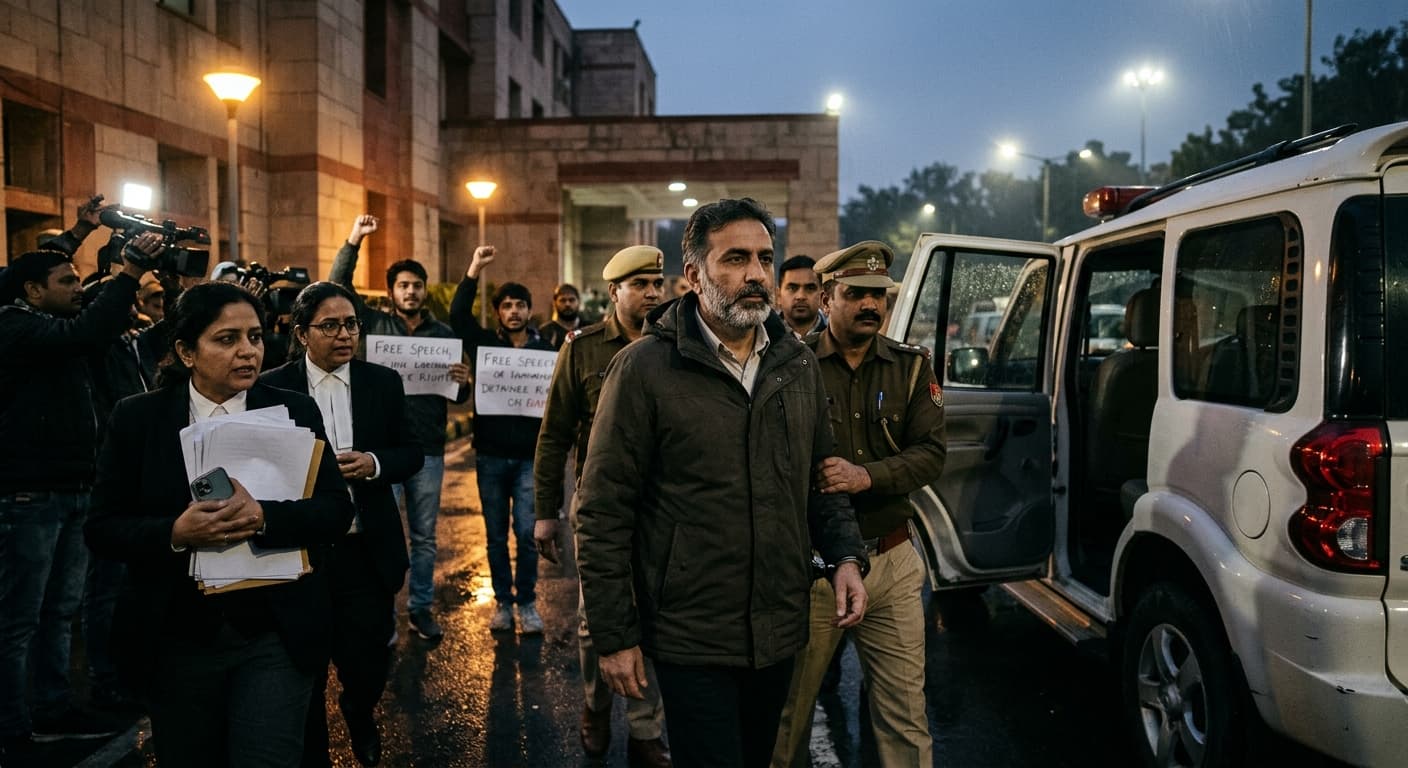
Delhi High Court grants bail to Khurram Parvez, but he remains detained.
Court Curbs India's UAPA, But Kashmir Activist Stays Jailed
The Delhi High Court’s landmark bail ruling for Khurram Parvez challenges India's counter-terror laws, but overlapping trials block his release.
The Delhi High Court has granted bail to prominent Kashmiri human rights defender Khurram Parvez in a high-profile "terror-funding" and conspiracy case, citing his prolonged four-and-a-half-year pre-trial detention. Highlighting this legal confrontation, Al Jazeera reports that although the June 10 ruling represents a rare judicial pushback against the state's use of stringent counter-terrorism legislation, Parvez will not walk free. Instead, he remains detained under a separate, overlapping National Investigation Agency (NIA) case, demonstrating the state's capacity to maintain custodial leverage despite major defense breakthroughs in
India.
The Judicial Counterweight
In their ruling, Delhi High Court Justices Navin Chawla and Ravinder Dudeja established a crucial constitutional boundary, declaring that the fundamental right to personal liberty under Article 21 can override the UAPA in cases of extremely delayed trials. As reported by The Print, the bench ruled that because the trial remains far from over—with 190 prosecution witnesses still to be examined—keeping Parvez incarcerated indefinitely violates basic human rights. The court granted bail on a personal bond of Rs 2 lakh alongside strict restrictions, including a ban on leaving New Delhi without permission and a prohibition on disseminating "anti-national material" online.
This ruling directly challenges the operational logic of the UAPA’s Section 43D(5), which imposes a near-impassable bar for bail by requiring judges to deny it if allegations seem "prima facie true." In Global Politics, the use of security laws to bypass judicial review is a frequent flashpoint, especially in disputed territories. Human rights organizations have long argued that the UAPA’s low conviction rate—hovering around 5% nationally and dropping below 1% in Jammu and Kashmir—proves the state uses prolonged pre-trial detention itself as the primary instrument of punishment.
The Strategy of Overlaps
The state's leverage is maintained by its ability to stack separate charges to neutralize judicial breakthroughs. Even as Parvez’s legal team cleared the UAPA hurdle, Kashmir Times reports that he remains jailed due to a separate March 2023 case. That second case alleges that Parvez used unregistered non-governmental organizations to route foreign funds from Pakistan-backed networks to fuel local unrest. By maintaining multiple separate cases, prosecutors can effectively chain detentions together, ensuring that a victory in one courtroom does not result in physical liberty.
This pattern of overlapping arrests has drawn sharp criticism from regional leaders. Mirwaiz Umar Farooq, a prominent Kashmiri political and religious figure, welcomed the bail ruling but explicitly warned that the practice of re-arresting individuals on alternative charges defeats the spirit of judicial relief. According to the Kashmir News Service, Farooq urged the judiciary to address this loophole, which security forces regularly deploy to bypass civilian court interventions in Kashmir.
What to Watch Next
The critical next decision point is scheduled for the first week of July 2026, when a special NIA court is set to hear Parvez's bail petition regarding the March 2023 case. This upcoming hearing will determine if the legal precedent established by the Delhi High Court's ruling will be applied to his remaining charges, or if the Indian security services will succeed in keeping one of Kashmir's most prominent documentation figures permanently isolated from the public sphere.
Keep reading
India
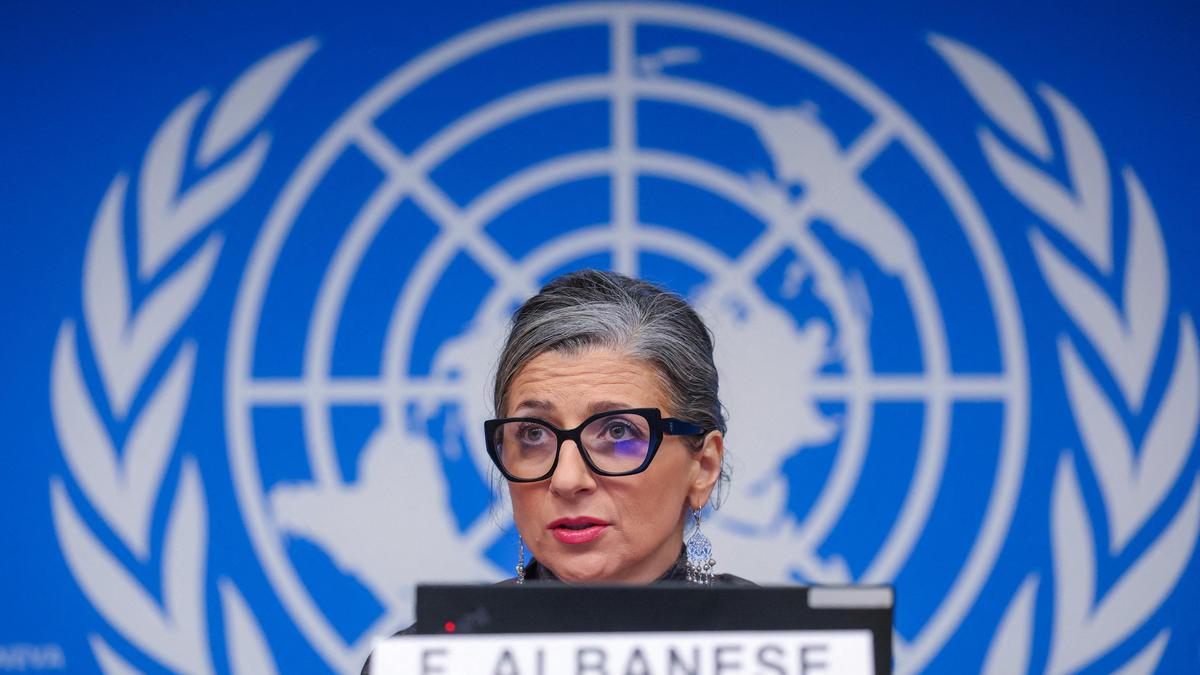
UN Expert Albanese: India Violates Law
UN Rapporteur Francesca Albanese claims India is breaching international law, raising human rights issues in Kashmir and beyond.
India
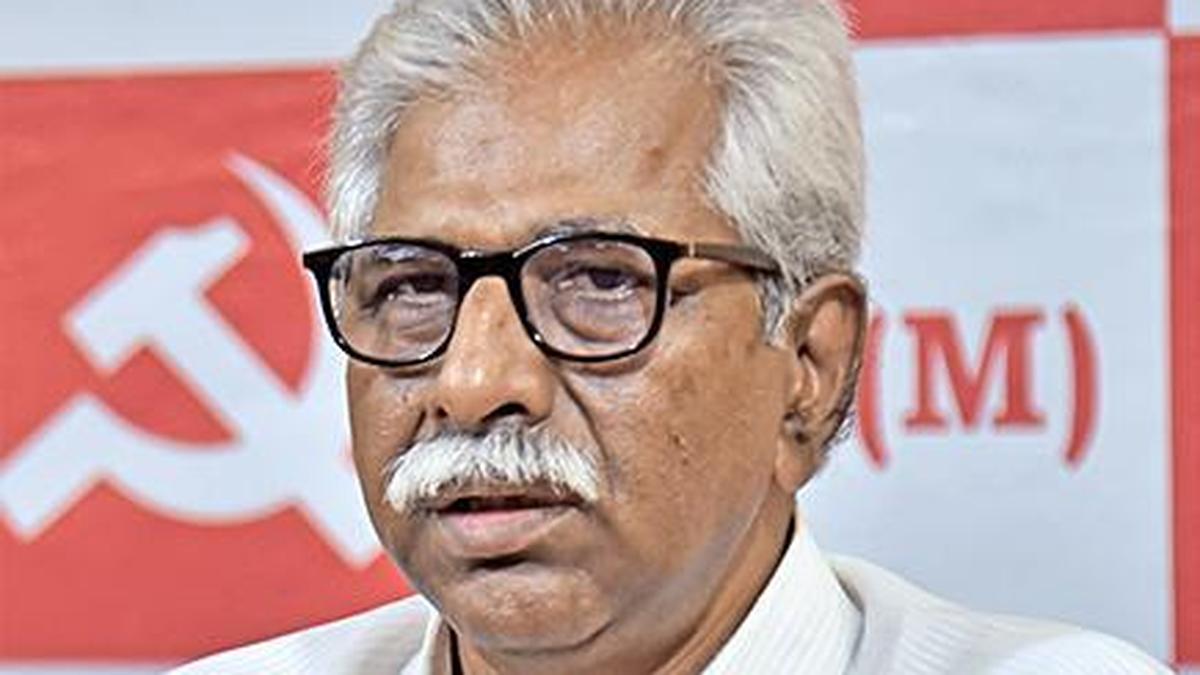
CPI(M) Calls to Decouple Quota from Delimita
CPI(M) demands the Indian government to separate quota policies from delimitation to enhance representation for marginalized communities.
Conflict & Security
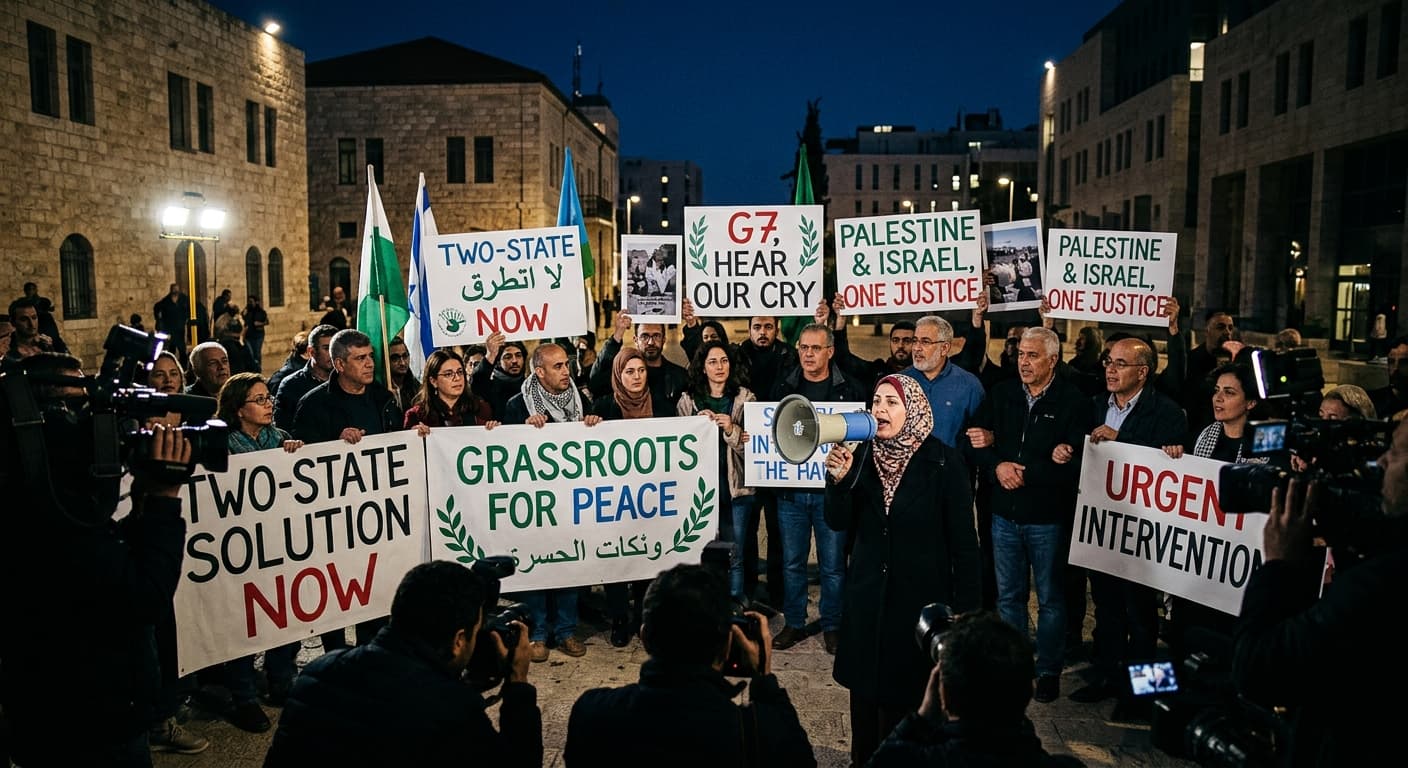
West Bets on Grassroots for Mideast Peace
Grassroots groups urge G7 to intervene as two-state solution falters.