Congressional Pension Loophole
Resigned under pressure, still entitled to taxpayer-funded pensions
Model Diplomat3 min readUnited States
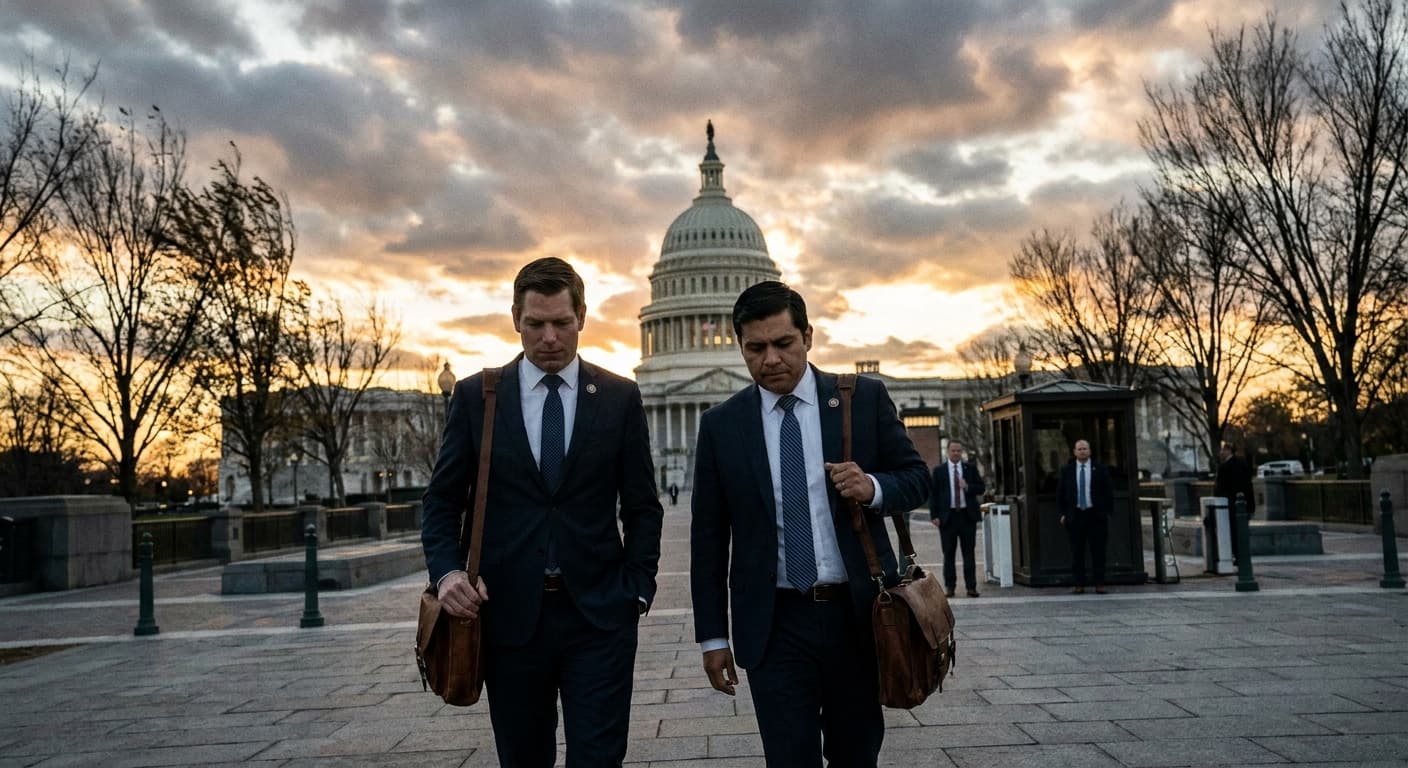
Resigned in Disgrace, Still Cashing In: The Pension Loophole Congress Won't Close
Swalwell and Gonzales quit under expulsion threat — but federal law still entitles them to taxpayer-funded pensions worth tens of thousands annually.
Eric Swalwell (D-CA) and Tony Gonzales (R-TX) resigned from the House in April 2026 under imminent threat of expulsion — Swalwell amid sexual misconduct allegations reported by the San Francisco Chronicle and CNN, Gonzales after admitting to an extramarital affair. The bipartisan push to remove them was led by Rep. Anna Paulina Luna (R-FL) and Rep. Teresa Leger Fernández (D-NM), a rare cross-aisle pairing on a misconduct case. Both men left. And under current federal law, both remain entitled to congressional pensions funded by American taxpayers.
The Loophole Is Structural, Not Accidental
Congressional pensions vest after five years of service under the Federal Employees Retirement System (FERS). Swalwell, first elected in 2012, and Gonzales, elected in 2020, both cleared that threshold. The critical legal gap: pension forfeiture only triggers upon a felony conviction related to conduct in office — specifically treason, espionage, or a narrow list of public corruption crimes under the 2007 OPEN Government Act and subsequent reforms. Resignation before expulsion, regardless of the underlying conduct, does not void the benefit.
This isn't an oversight. Congress has revisited pension forfeiture rules repeatedly — most recently in discussions around the STOCK Act era — and consistently declined to broaden the forfeiture trigger beyond felony conviction. The institutional logic: members protect the benefit floor as a matter of self-interest, and due process arguments make expansion legally messy. The practical result is a system where resignation under pressure carries the same pension outcome as an honorable retirement.
Who Benefits, Who Loses
Both Swalwell and Gonzales benefit materially. Depending on years of service and salary history, congressional pensions under FERS can pay $20,000–$40,000+ annually, indexed for inflation, for life. The American taxpayer is the counterparty — and gets no recourse absent a criminal conviction neither man currently faces.
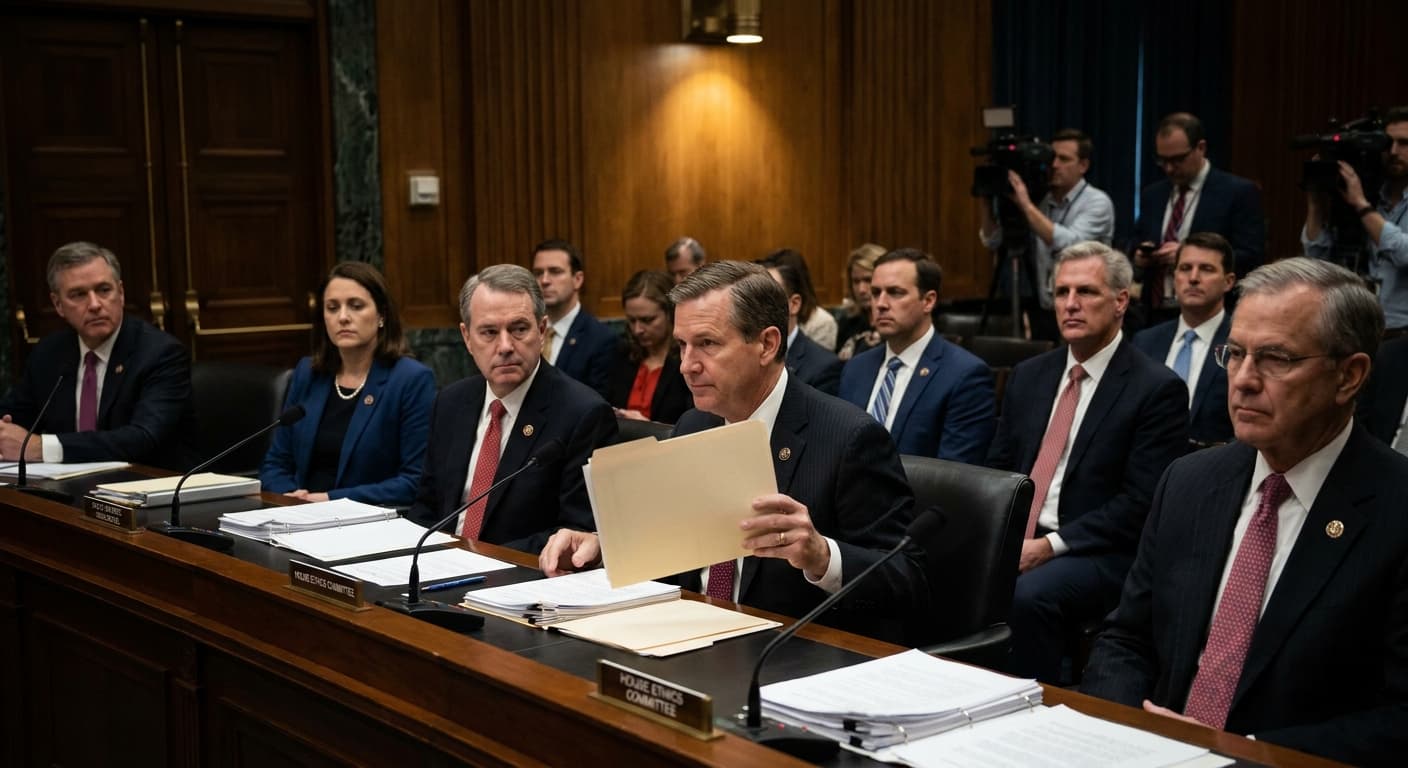
Luna and Fernández, who drove the expulsion push, end up with the political win of forcing the resignations but none of the structural accountability they were nominally fighting for. The House Ethics Committee, which had been investigating Swalwell, has no mechanism to claw back retirement benefits post-resignation. The episode reinforces a pattern documented across US Politics: Congress is structurally better at spectacle than enforcement.
There is a secondary beneficiary: reform advocates. The Swalwell-Gonzales case hands them a concrete, bipartisan, high-profile example of the pension gap — something that has been abstract in prior legislative cycles.
What to Watch
Three pressure points now matter. First, watch whether Luna or Fernández introduce a pension forfeiture bill in the wake of the resignations — the political optics are near-ideal for it. Second, monitor whether either man faces criminal referral; a conviction on qualifying charges would void the pension automatically and remove the legislative problem. Third, any floor vote on pension reform before the 2026 midterms will be a real test: members would be voting on their own benefits, in an election year, with both cases fresh in the public record.
The underlying accountability gap isn't new — but having a Democrat and a Republican walk out the same door on the same day, pensions intact, makes it harder to ignore. For more on how international peer legislatures handle legislative misconduct and benefit forfeiture, the contrast with Westminster and EU parliamentary systems is instructive.
The reform window is open. The question is whether Congress has the will to step through it.
Sources: CNN — Swalwell and Gonzales resign under threat of expulsion |
USA Today — Women in Congress flex power on Epstein, Swalwell, Gonzales |
Washington Post — Congress pensions, Swalwell and Gonzales |
CNN — Congress culture of sexual harassment
Discover more
US Politics
House Ethics Committee Pushes Sexual Miscond.
The House Ethics Committee has shifted responsibility for sexual harassment settlement records to the Office of Congressional Workplace Rights, complicating disclosure efforts.

US Politics
SNAP Food Assistance Faces Legal Challenges
In 2026, SNAP faces stricter eligibility rules and mounting legal challenges, threatening food assistance for the millions of Americans who rely on the program.

Conflict & Security
Drone Warfare Killing Aid Workers at Unprec
Over 1,000 humanitarian workers killed in three years as cheap armed drones collapse legal protections. Gaza, Sudan, Ukraine, and DRC see deliberate targeting of aid convoys and hospitals with zero prosecutions.

Global
World Normalises Taliban as Afghan Women Eras
UN data shows Afghan women erased from public life as Russia recognises the Taliban, EU hosts officials in Brussels, and ICC warrants for gender persecution go unenforced.

