Congress Turns NCRB Data into a Safety Attack on Modi
Mallikarjun Kharge is using official crime numbers to argue that the BJP’s women-safety pitch has lost credibility, even as NCRB’s 2024 report shows mixed annual trends.
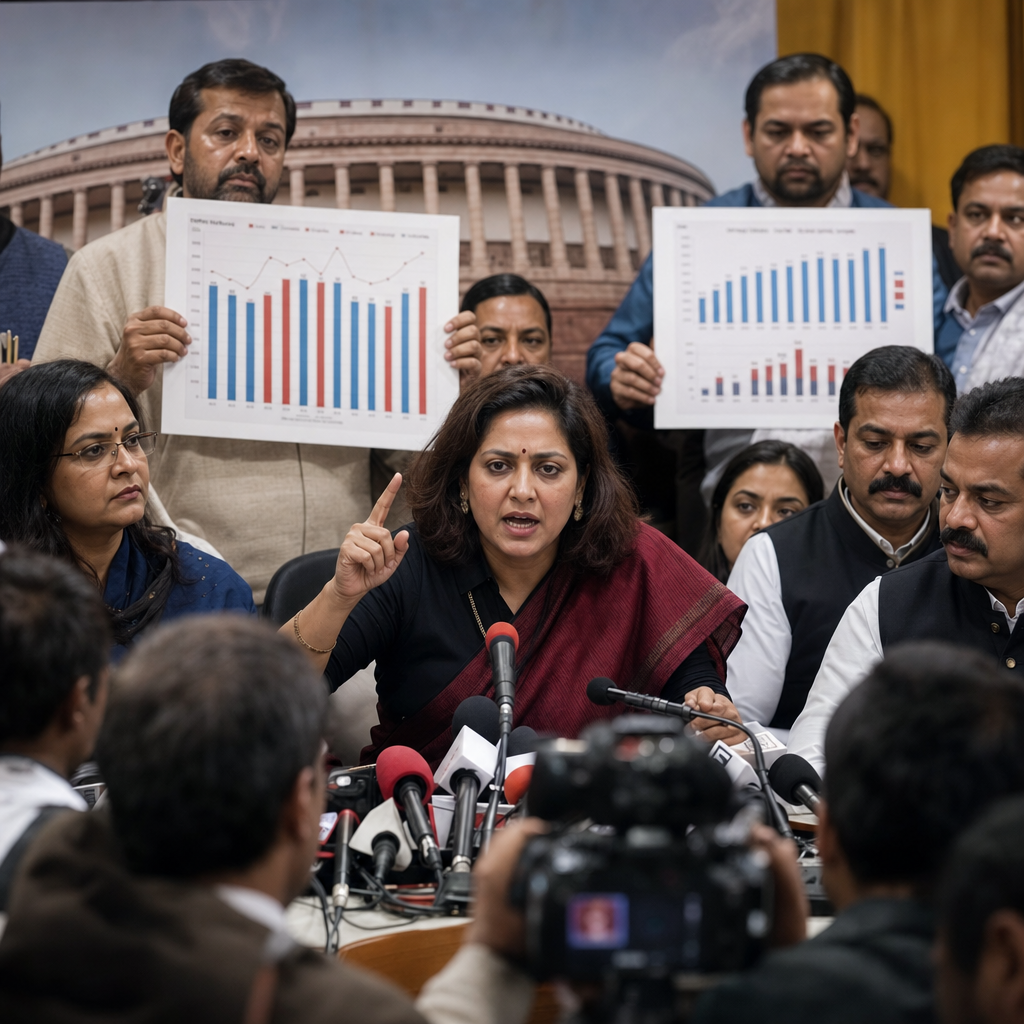
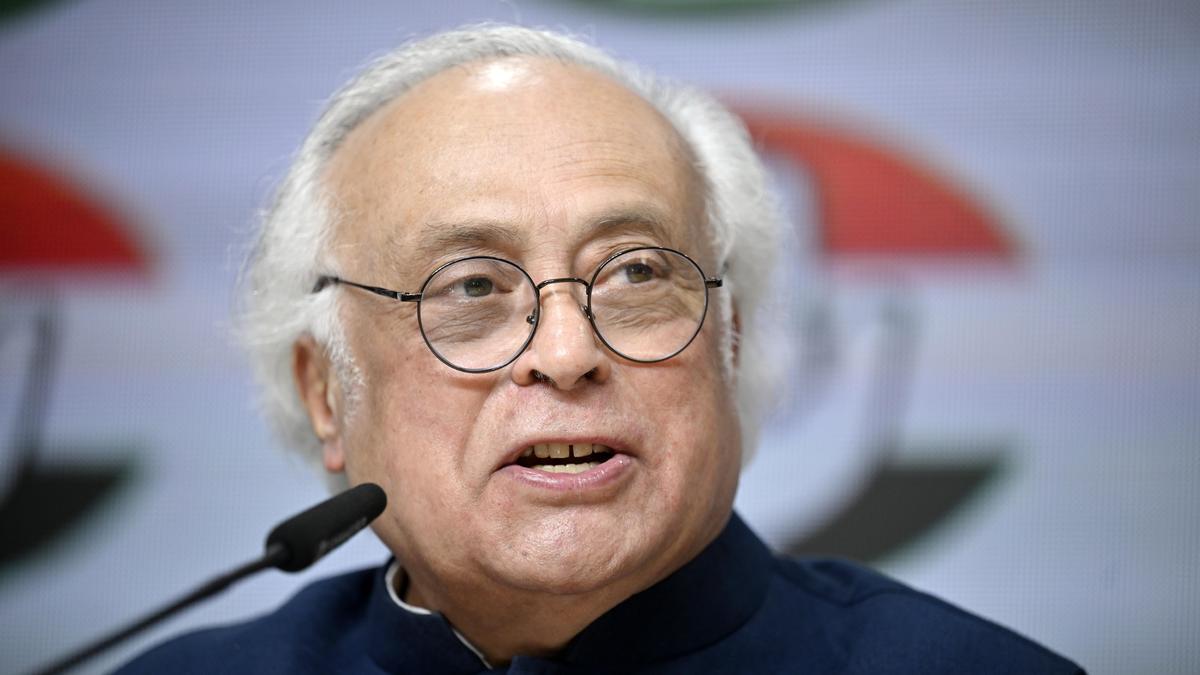
The Congress has seized on the latest NCRB figures to make a direct political case against Narendra Modi’s government: that law and order is failing women and other vulnerable groups. In a post on X reported by  The Hindu, party president Mallikarjun Kharge said crimes against women were up 42.6% since 2013, and pointed to NCRB data showing sharp rises in crimes against children, Dalits, Adivasis and cybercrime. He also said 10,546 farmers, 52,931 daily wage labourers and 14,488 students died by suicide in 2024. For the broader national picture, see
  India and Global Politics.
Why this attack has traction
The opposition’s advantage is that it is arguing from an official source, not anecdote. The latest NCRB report released on May 6 showed 4.41 lakh crimes against women in 2024, down 1.5% from 2023, but still at a very high level; the women’s crime rate was 64.6 per lakh population, down only slightly from 66.2, according to The Hindu. That makes the government’s vulnerability political rather than statistical: Congress does not need a year-on-year explosion to argue the system is not delivering safety.
The more damaging line is the longer baseline. Kharge’s claim that crimes against women have risen 42.6% since 2013 reframes the debate around the BJP’s entire period in power, not just the last 12 months (The Hindu). That matters because the BJP has spent years branding itself as the party of “Beti Bachao,” and the Congress is now trying to turn that slogan into a liability.
What the numbers let Congress do
The political target is not just Delhi. NCRB data gives Congress a way to localise the issue in BJP-ruled states and, where useful, in opposition-ruled ones too. The strongest examples in the 2024 data are familiar: cruelty by husband or relatives remains the biggest category nationally, while Uttar Pradesh continues to report the highest absolute number of crimes against women ( The Times of India; The Hindu). That gives the opposition two simultaneous lines of attack: one against the Centre’s messaging, another against state governments that control policing.
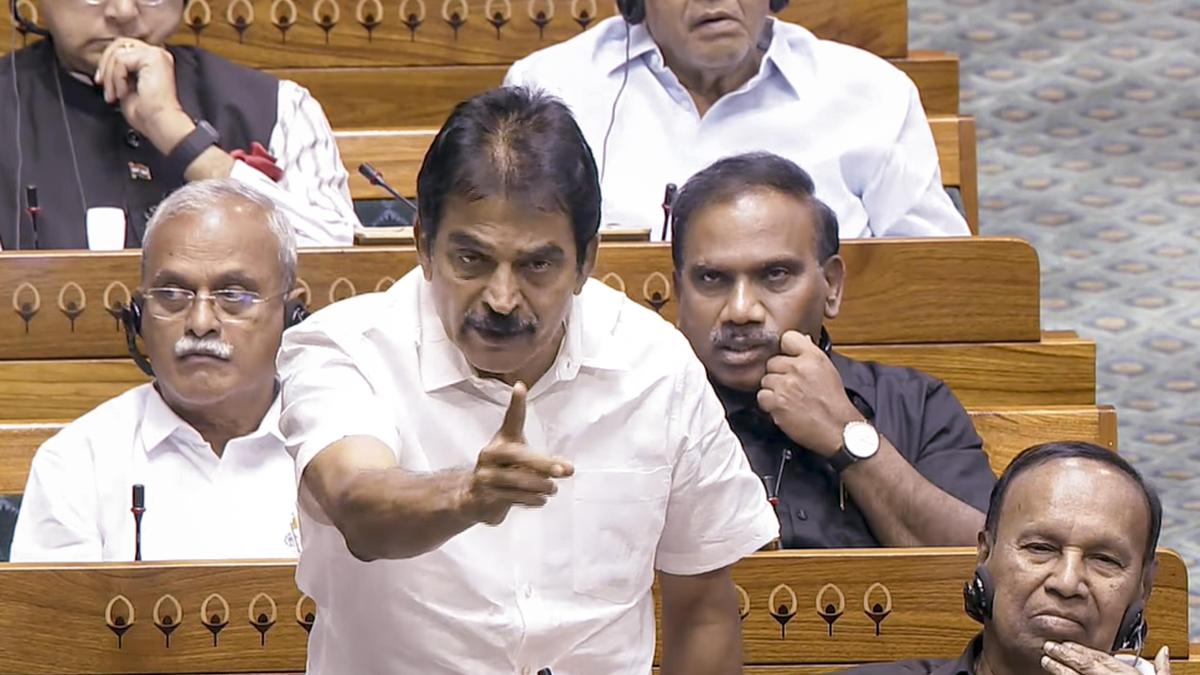
The BJP’s defence is also obvious. It will point to the slight annual decline in crimes against women and the broader 6% fall in cognisable crimes in 2024, and argue that NCRB trends are being cherry-picked (The Hindu). That response may blunt the headline, but it does not answer the political problem: the opposition is using the government’s own data to say women’s safety remains a structural failure, not a communications problem.
What to watch next
The next test is whether the BJP answers with implementation data — on policing, fast-track courts, and women’s support schemes — or simply dismisses the attack as selective. Watch for a government rebuttal in Parliament and for Congress to keep pushing NCRB-linked state comparisons, especially on Uttar Pradesh and other high-incidence states, over the next political cycle.